About Ajit Patel

CEO, Altrafine Gums With over Four decades of expertise in the natural gums and hydrocolloids industry, Ajit Patel leads Altrafine Gums, a globally recognized manufacturer and exporter of Guar Gum Powder, Cassia Tora Powder (Cassia Gum Powder) and other Hydrocolloids. Under his visionary leadership, the company has built a strong reputation for quality, innovation, and reliability across the food, feed, pet feed, pharmaceutical, mining, oil drilling and cosmetic sectors. Altrafine Gums has been serving global industries for decades with a focus on sustainable sourcing, research-driven production, and stringent quality control. Its wide product portfolio includes Guar Gum Powder, Cassia Tora Powder (Cassia Gum Powder) and other plant-based hydrocolloids that serve as key functional ingredients in diverse applications. Ajit Patel’s commitment to excellence ensures that every product from Altrafine meets international standards of performance and purity. He is passionate about advancing the global reach of Indian hydrocolloids, fostering customer trust, and promoting eco-friendly, science-backed solutions that enhance product formulation and performance worldwide.

Demand for Guar Gum in the Global Market
Guar Gum Powder - 2The global demand for guar gum has increased with increasing oil and gas demand. For instance, it has been used in extraction of shale gas in America. Still, its demand is higher because of its cheap price and superior characteristics as a stabilizer, lubricant, controlling agent, deformers, and surfactant, and these characteristics are needful in oil fields and gas extraction. It has also been applied for oil well stimulation and fracturing. India is the largest world supplier of guar gum and exports have increased to 75% share of world market as per 2011. Guar gum exports in India reached about 260,000 tonnes to 270,000 tonnes, which was an increase with 40, 000 to 50, 000 tonnes from 2010 guar gum export. The increase in guar gum prices proves that its demand is increasing, with a 72% in March last year, up to about Rs 85,000. In 2013, India was the largest supplier of guar gum in the world market with over doubled income in exports ($4.78 billion). Guar production is also more demanded because of increase in demand for guar meals.

Guar Production in India

Fast Hydration Guar Gum Powder1

Guar gum powder is extracted from guar seeds, and the plant is grown in north India, with Rajasthan, Gujarat and Haryana being the biggest manufacturers in India. Another product is guar splits, also gotten from the seeds. Guar is a legume and a cash crop also grown in sandy soils of West India but resistant to drought and semiarid conditions in India. Indeed, it is grown in semiarid regions where fewer plants can make it but requires a lot of sunshine and some rainfall. It only takes 3-4 months to be harvested in October after planting shortly after July rains. The government ought to support more farmers financially and with more inputs, in these regions to increase guar production (including providing more guar seeds), because the demand in the world market is still high. In addition, the government ought to support farmers in these regions with more processing equipments than currently available in the North Western states in India, in addition to facilitation farmers to do more exports by avoiding ban on guar gum futures in future. More research is also needed to boost production by helping farmers with inputs to better conditions for growth of guar. Guar splits are also applied in diverse industrial needs such as in textile, printing, pharmaceuticals, and tanneries, among others. As a green plant, it can act as a fodder.

Future Market for Guar Production and Export in India

It is likely that guar rates could increase in future because of increasing demand due to expected price increase in crude oil prices. Demand could also increase as more people continue to use guar gum in more industries due to its stabilizing and other characteristics. Further exploration of Shale gas could lead to more increase in prices. There is a chance that guar gum powder could be more demanded as people continue to become aware of guar meals and use in foods and this could increase guar gum exports India. With more attention in guar as a cash crop, more expectations of price increase and its larger market, production and export from India could increase as more people start and continue farming it.

Conclusion

The global demand for guar gum is mainly because of increase in fuel prices and demand for fuel, as well as its diverse applications in various industries (meaning wider market). India is the largest exporter of guar gum to the world market. It also has superior qualities that make it better than competitor products. Farming in India is mainly in the West and North and it is resistant to semiarid and drought conditions. More production and processing are needed because demand in the world market could rise in future. Guar gum exports India could increase with government’s support to farmers. For more information please visit: https://www.altrafine.com/guar_gum_powder2.html

Ajit Patel

This Article has been written & posted by Ajit Patel.

Fenugreek Gum Powder

Fenugreek Gum Powder - 1

Known as a legume, Fenugreek is a part of the Fabaceae plant family, and even though it is an annual which is indigenous to the Mediterranean, its medicinal and nutritional properties have resulted in it being cultivated in vegetable gardens the world over. The fenugreek plant will grow to about 60cm tall and enjoys sun along with well-drained, somewhat acidic soil. The fresh green leaves are known as menthi and are used with relish in a salad. The endosperm of fenugreek seed is a gum which consists of galactose and mannan. The galactose is used as a thickening agent in foods like gravies, ice cream and soups and the gum also has the possibility of being used as an emulsifier in the petroleum drilling industry.

From Seeds to Powder

To make fenugreek gum powder, the seeds are collected, they are then cleaned to remove all impurities, after which they are dried and grounded to make powder. The powder which is slightly cream-colored is packed with aseptic measures for storage and transportation.

Treats Many Immune Related Diseases of Modern Times

The seeds have a generous proportion of soluble fiber known as mucilage in them and this in itself has excellent health benefits, aiding digestion by creating a feeling of ‘fullness’ so that the desire to eat is reduced. The powder can be taken internally or used topically. Small wonder that fenugreek gum powder has also found its way into many of our top brand pet foods where small dogs will just require half a level teaspoon in one meal each day while a large dog will require two teaspoons in one meal every day.

Fenugreek gum powder for pet food is superb because for fussy eaters it encourages appetite and will also aid digestion, being a mild but effective laxative. Galactomannan in fenugreek gum powder is excellent for obesity in pets as well. Our pets are often susceptible to the same health problems that we as humans have to endure, and fenugreek gum powder used in pet food is a fantastic anti-inflammatory, it is excellent for increasing milk production in lactating dogs and it assists with lowering cholesterol.

Fenugreek Gum - 2

The seeds are also used as veterinary medicine and are given to cattle to enhance milk production. The powder can also be applied over swellings and wounds in animals. Other health benefits which we as humans benefit from and which can benefit our pets too include the control of blood sugar levels, assisting with weight loss, an aid to controlling diabetes, kidney problems, blood pressure level as well as blood cholesterol.

A Necessary Ingredient in the Food Industry

Fenugreek gum powder in the food industry is highly sought after because the galactomannan in it has the property of viscosity. Fenugreek gum has three grades and each one has different galactomannan content. Fenugreek galactomannan is easily dispersed in water and develops high viscosity. Emulsifiers can certainly help to make food look more appealing, and the powder is an emulsifier for food mixtures of oil and water, enabling it to be used as a stabilizer for food, and with other excellent characteristics, it is used in many industries of which the pet food industry is just one.

A Balanced Supply of Nutrients to Prevent and Cure

Instead of checking our pet’s health constantly which is still important, you should be checking what food they are getting to make sure their sugar levels are right. You’ll want to look for a pet food product that contains fenugreek gum powder, which is helpful in balancing sugar levels naturally in your pet, for warding off a host of other ailments and to keep his tail wagging with gratitude. To know more about fenugreek please visit: https://www.altrafine.com/fenugreek-gum-powder

Ajit Patel

This Article has been written & posted by Ajit Patel.

The Sesbania gum plant is found in the monsoon regions of Asian countries. It is a plant that can grow up to 2 meters high and is marked by large flowers available in a range of bright colors like white, yellow or pink. Sesbania Gum - 1The Sesbania gum is extracted from seeds in Asia by carefully removing the husk, cotyledons and other germ materials from the seed, thus exposing the clean splits which are then milled in a mesh, resulting in a pure and refined Sebastian gum. Other names for this plant are Dhaincha and Jantar. The plant thrives well in highly alkaline soils and even water logged areas. The plant adapts well to hot and humid environment. It has tough and stout stems and the plant is able to withstand unfavorable weather conditions that would otherwise be detrimental to other plants.

Uses and properties of Sesbania gum powder

Sesbania gum has similar characteristic to other natural gums. However depending on climate and concentrations, the gum may behave differently. Under higher concentrations, Sesbania may behave like the guar gum .Sesbania gum is highly soluble in water and has a high viscosity rate thus the reason for its preference in textile industries. Sesbania gum powder is used as a thickening agent or dye agents in textile industries. Due to its high soluble rate, it is widely used in the treatment of waste water. The gum plays a major role in the oil industry in various areas thus increasing the overall oil production and increasing sales.

Advantages of Sesbania over Guar gum powder

Guar gum powder was widely used as a thickening agent in numerous industrial fields. However its popularity is declining due to the scarcity of its material thus making the product very expensive to obtain. However Sesbania plant grows in alkaline soils and therefore cheap to produce since no crop displacement is required for its cultivation. Sesbania Gum can be produced at a cheaper cost than the Guar gum. Moreover Sesbania gum does not degrade even at very high temperatures whereas the Guar gum degrades. The Sesbania gum is 5 times higher viscous than the Guar gum. Although the Guar gum powder has been used in large quantities in the petroleum industry, studies have revealed that even the Sesbania gum powder is able to fully perform similar functions. Therefore most industries are now replacing their Guar gum use with Sesbania powder.

Conclusion

In this industrialized world, gum use is increasingly becoming useful in various industries. As research continues people are on the lookout for the most efficient gum available. Studies have revealed that Sesbania Gum powder is now preferred to Guar gum powder due to its desirable properties. The viscosity and solubility rate of the Sesbania gum powder is 5 times higher than most natural gums in the market. The issue of cost also comes up since it is much cheaper to produce Sesbania Gum powder. Apart from industrial use the powder is also used as incense. Therefore it has proved to be a truly better replacement. Know more about sesbania gum powder please visit: https://www.altrafine.com/sesbania-gum-powder.html

Ajit Patel
This Article has been written & posted by Ajit Patel.

Known also as guaran, guar gum is manufactured from guar seeds that are known for their excellent low-sheer viscosity properties. Guar gum has been applied as a stabilizing and thickening product in variety of industries such as oil/gas extraction industry. India is the largest supply of guar gum across the world, in terms of export (with increase of up to 139% on a year-on-year basis in exports). Large guar gum export India is because of its large demand in oil across the world. Last year, guar production in India saw the country join US and Pakistan as major producers in the world with over 80% total global production. Thus, guar gum exports from India into the global market are among the highest. The seed is ground in order to produce guar gum powder.

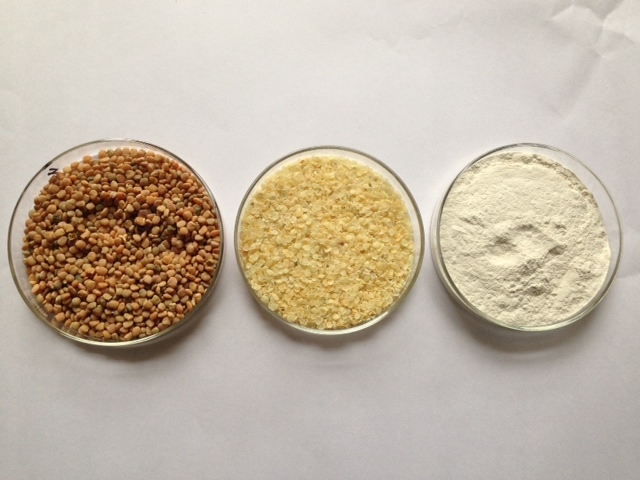
Guar Seed - Guar Gum Splits - Guar Gum Powder

Various Applications of Guar that create Demand for Guar in Indian and Global Market

A larger percentage of demand for guar from India is because of surge in oil and petroleum demand, because guar is mainly used in extraction of shale gas. Demand for guar in Indian and global market is high due to their superior qualities compared to other competing agents. For instance, it can serve as a binder, plasticizer and emulsifier, in addition to its application as a stabilizing and thickening agent. As a thickener, it has superior properties than corn starch. It is superior to other thickeners and stabilizers too in that it is more cost-effective. Guar is resistant to draught. It has found wide applications in the textile, oil and petroleum, pharmaceutical and explosives industries. It has also been effectively used in other industries such as cosmetics, mining and drilling, among others. It is also used in the water treatment operations, in addition to serving as a nourishing product for humans and animals. It has been found to lower insulin and blood glucose levels. Its varied application means it can be sold to people with various needs unlike many other cash crops. This means it has a more stable market. For instance, in farming, it can be applied as green fodder and manure. To know more applications of guar please visit: https://www.altrafine.com/guar_gum_powder_applications.html

Better Factors likely to improve Guar Production & Export in 2013

Guar production in India is in semi arid and sub-tropical areas and in sandy soils with some level of rainfall. It is a legume that will regenerate nitrogen in soil and can be used as a vegetable when green. Guar gum in India required handling with modern technologies to produce high quality guar gum powder and other products. Modern technology is required because care is needed to ensure that the nutritive nature is undisturbed and that the product remains hygienic. Guar Gum Powder - 2Production of guar gum in India will also be better if more investment is made in research for latest technology that handles processing activities and carries physio-chemical testing to avoid contamination and retain nutrients at every stage. Increasing guar gum export India requires that the government needs to open up the market and resist bans on futures as it was in 2012. In addition, the government (through the Forward Markets Commission) needs to allow people trading in guar, more limits (75%) and remove requirement to disclose source of funding. This will allow farmers to raise more capital for production of more guar, which is mainly being used in extraction of shale gas. The government also should come up with better policies and strategies that would control price speculations rather than result to methods that lower production. It should also come up with financial policies and export policies to support farmers as regards cheaper farming inputs and processing, because guar has great capability to help Indian economy.

Conclusion

In conclusion, guar has a high demand because of varied application, and also because of increase in demand for oil/gas since it is used in extraction. India, being the largest exporter of guar, also has ability to produce more. Thus, it is necessary for government to put measures such as avoiding a limit in production and selling of guar (such as removing ban on guar gum futures), as well as should support farmers to produce and export more.

Ajit Patel
This Article has been written & posted by Ajit Patel.

Basic Introduction about Hydrocolloids

1a98fc220f851bea786acfdb33821f48Hydrocolloids in simple terms refer to substances that form a gel when they come into contact with water. They are usually referred to as gums. Hydrocolloids help control the thickening and gelling properties of aqueous foods. The most commonly used hydrocolloids in the food production industry include; cassia gum,sesbania gum, tamarind gum, guar gum, fenugreek gum, gelatin, Arabic gum et cetera. Hydrocolloids are organic and naturally occurring, some are extracted from tree sap, seaweed, seeds or roots among other sources.

Hydrocolloids in Food Applications

images12Hydrocolloids are widely used in the food industry because of their ability to alter flow properties of liquids, their gelling ability, their ability to cause oil droplets emulsification and they also prevent ice recrystallization. Hydrocolloids are used as thickening agents, emulsifiers, stabilizers and water retention agents in different food industries. These functions are listed below.

Thickening and agent- Hydrocolloids are added to foodstuffs such as sauces, gravies, instant soups, cake batters, jam and other salad dressings to promote evenly textured thickening. This is also applied to the processing of puddings and desserts.

Emulsification- the use of Hydrocolloids as emulsifiers helps prevent the separation of oil droplets from water. This is important when products such as margarine are produced as their ingredients contain both water and fats. The same case applies to the production of ice cream.

Stabilizer- the ability of Hydrocolloids to hold together components of a food product thus preventing physical changes from occurring makes it a great stabilizer. It increases the shelf life of processed foods, keeping them fresh for longer.

Crystallization inhibitor- Manufacturers of ice cream, candies, sugar syrups et cetera use Hydrocolloids such as guar gum to prevent ice crystallization. It also preserves dairy products by providing texture.

Water retention agent- Hydrocolloidssuch as guar gum powder are good at retaining moisture. This has vital applications in the baking industry to keep the dough from drying out. It also retains moistures in frozen foods. This is done to prevent syneresis.

Common Hydrocolloids

Guar Gum as a hydrocolloid

Guar gum is sourced from the guar plants’ seeds. It is a common Hydrocolloid that is used in the food production industry. It is a common additive that is used as a thickening and gelling agent, a natural food stabilizer, a moisture retention agent and an emulsifier. Guar gum for food is used extensively in production and processing of foodstuffs as various industries make use of its properties. To know more about guar gum please visit: https://www.altrafine.com/guar_gum_powder.html

Cassia Gum as Hydrocolloid

Unlike the guar gum, the use of cassia is largely limited to pet-food production. Cassia gum has properties of a thickening agent, texturizing agent and foam stabilizer, however, its use is largely confined to production of pet food.

Tamarind, Sesbania and Fenugreek as Hydrocolloids

Tamarind is largely used as a thickening agent. Its use is not very wide spread and different people use it for different reasons. It is used in soups, jams, ice creams and juices to increase thickness. Like tamarind, Sesbania and Fenugreek are used as thickening agents in sauces. Their general use is also not wide spread. They are mostly used differently by different communities around the world.

Conclusion

Hydrocolloids have numerous properties which can be used and are being used in the food industry. Their use has helped food processing industries produce quality products that last longer by preserving them using organic agents.

Ajit Patel
This Article has been written & posted by Ajit Patel.

What are hydrocolloids?

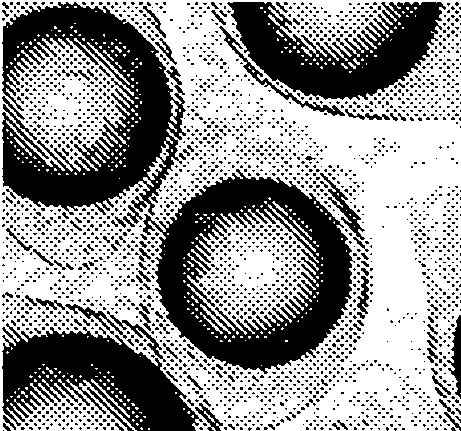
imgf0003A hydrocolloid is a substance that will form a gel when put in water or when in contact with water. They are dispersed in water because they are hydrophilic polymers, and can form gels or liquid solutions depending on the amount of water present. They are used with aqueous foods to alter the functional properties of the latter. For instance, they can be used to prevent food having organoleptic properties and to prevent recrystallization. They can be applied in food to achieve certain thickening and gelling properties, termed as viscosity. They have also been applied to for emulsion stabilization. Sometimes they are naturally present in these foods or can be added to them. In food, they help in flavor perception depending on the degree of chain entanglement which determines the degree with which they mix with saliva. Hydrocolloids can also be used for adhesion, flocculation and suspension, as well as for forming films. Many hydrocolloids, including xantham and alginate are polyelectrolytes and thus can be defined by the properties of the latter. Reduced viscosity and good hydration properties of guar gum, Sesbania gum, cassia gum and tamarind gum make them useful in food industry.

Popular Hydrocolloids and comparison between xanthan gum and guar gum

gums-hydrocolloids-250x250There are many hydrocolloids, including the guar gum, cassia gum and the Sesbania gum. Others are tamarind gum, fenugreek gum and xanthan gum, among others. Cassia gum is soluble in water and will reach full viscosity in aqueous solutions on heating. Sesbania gum can form a solution in both cold and hot water while tamarind gum dissolves in hot water. The xanthan gum is made through fermentation while fenugreek gum can be used in forming and is also soluble in water. Guar and xanthan gums are the most common gums used as hydrocolloids. Guar gum powder is used for thickening and forming pastries, among other uses. Generally, guar gum will be considered better than xanthan because it is a natural product made from seed when xanthan is made through fermentation. In terms of properties, guar gum performs better than other additives because of superior thickening and stabilizing properties.

Guar gum powder has wider applications than cassia gum, sesbania gum, tamarind gum and fenugreek gum. A lot of healthy disorders and problems have been associated with consumption of xanthan compared to guar gum for food. For instance, it is posited that gastric distress occur because corn, from which xanthan is extracted, is sometimes altered through genetic engineering. In terms of cost, many will find guar gum for food, a better choice that xanthan. Some people will develop allergy for xanthan, in addition to its ability to cause gas, diarrhea and blotting. Xanthan is not recommended for people who have allergies to corn products. In addition, guar gum can be produced at home through easier processes compared to xanthan.

For more details please visit: https://www.altrafine.com

Conclusion

In conclusion, hydrocolloids are products dispersed in water to either form a solution or gel. Guar gum and xanthan are more common than other hydrocolloids and guar gum is considered better because of its being natural, healthier to use (fewer healthy-related problems), superior properties and wider applications.

Ajit Patel
This Article has been written & posted by Ajit Patel.

Psyllium Production, Processing, Export & Use in India

Psyllium is a plant or rather herb as most people know it. It is also known as isabgol, ispaghula or isabgula. The herb is used in production of psyllium husk and psyllium powder. Ispaghula husk seeds are indigestible making them a source of soluble fiber. Psylliums high mucilage content makes it a true dietary fiber. Psyllium husk is the covering of seeds that grow in the plant .Psyllium powder is the end product after psyllium husk have been processed and crashed.

Psyllium Husk - Psyllium Husk Powder - 2

India dominates the world market in production and export of psyllium husk powder. It provides approximately 80% of psyllium husk powder in the world market. India has the upper hand when it comes to isabgol because of certain factors.

•             India’s light soils and warm temperate regions highly promote the crops growth. The crop grows well on light soils. Soils with poor drainage are not conducive for good growth of the plant.

•             It also thrives well in warm-temperate regions with cool and dry weather and most regions in India are characterized by this weather.

•             India’s large farms of up to 55,000 acres promote large scale farming of isabgula.

•             The countries high population level makes it easy and cheap to obtain labor force required in farming the crop.

•             India’s heavy investment in building irrigation schemes has also helped farmers grow ispaghula on a wider basis.

In India, production of psyllium husk and psyllium powder involves a series of steps.

•             Raw seed are cleaned by mechanical processes through various steps.

•             After cleaning seeds from the cleaning and pre cleaning chambers, de-husking processes begin. The process consists of crushing the seed with emery mills and separation of husk in a closed circuit of an automatic pneumatic aspiration system.

•             The psyllium seed husk is then separated from the remainder of the seed by using slight mechanic pressure. The seeds are crashed between rotating rollers and plates.

•             Psyllium husk is then purified by sieving the mixture to separate the husk from the remainder of the seed part.

•             To obtain high yield of pure quality psyllium seed husk, there is intact milling of psyllium seed in a mill which causes the husk to be fragmented by collision under certain conditions. The husk is fractured separating non-husk portion of the isabgol seed.

•             Psyllium powder is obtained through crashing the pure husk psyllium.

•             The products are then packaged under total hygienic control. Packaging includes uncoated and coated Uv stabilized PP woven fabric without liner, HDPE laminated paper bags with inner poly-liner, laminated PP woven bags with inner poly, fiber paper drum and silver plated ring with inner poly-liner.

The end products of isbagula are exported to countries such as United Kingdom, United States of America, Norway, Italy, France, Korea etc. India’s ispaghula farms are spread in Gujarat and Rajasthan. Farmers in Madhya Pradesh are also catching on. In India, there are various applications of psyllium and its products for medical and industry uses. In the country, the plant has been long known for its healing properties and traditional uses. It is a major component of Indian medicinal herbs used in ayurvedic and allopathic preparations. Indians also use it in remedying constipation problems. For more details on psyllium husk and powder please visit: https://www.altrafine.com/psyllium_husk_and_powder_applications.html

Ajit Patel

This Article has been written & posted by Ajit Patel.

What is psyllium husk?

Psyllium husk also known as isabgol is the white fibrous material that is derived from the coating of the seeds of plantago ovata which grows natively in India. The plant is hygroscopic and expands to become mucilaginous. The indigestible husks are considered a pure source of dietary fibre, and are the only part of the psyllium plant used in manufacturing psyllium products.

Psyllium Husk - 2

The psyllium husks are used in whole or dried and chopped or powdered for easier consumption. Whichever of these forms one chooses to use, they have to take them by mixing them with water or any other fluid.

Psyllium Husk Powder

This is the fine powder that is derived from the grinding of psyllium husks .It is pulverized from the psyllium husks, and is a natural agent mainly used to provide dietary fiber.

Regions where it’s Highly Grown

The plant grows worldwide but flourishes well in the middle east and grows natively in India .It also grows in Madhya ,Pradesh and in some parts of Rajasthan .Each of these plants can produce up to 15000 tiny ,slightly gel-coated seeds from which the husks are removed. Favorable conditions for growth include good sun exposure, less frost and in well drained soils.

Properties of Psyllium Husks:

  • The husks have high affinity for water and other fluids.
  • Psyllium husks are toxic free. They are not contaminated.
  • They are gluten -free so people who are allergic to gluten can use them
  • The husks readily produce gel through water absorption.
  • The husks are chemically inert; hence act mechanically in the canals. They are not digested and therefore cannot be absorbed by the body.
  • Psyllium husk is 10.5 natural fiber and doesn’t contain any preservatives or additives.
  • Psyllium husk contains a soluble fiber which helps lower cholesterol.

Nutritional Value of Psyllium Husk

Psyllium husks consist of about 30% mucilage, xyclose , arabanose and galacutronic acids. Additionally ,every 100 grams of contains 71 grams of soluble fiber. It also contains glycosides, proteins, vitamin B1 choline and polysaccharides .All these components contribute to the high quality of nutrition provided by the psyllium husks. Popular Names of Psyllium:

Psyllium plant is also commonly known as fleas seed, ispaghulla, psyllium seed, Indian plantago in India , spogel and sand plantanian.

Uses of Psyllium Husk for Pharmaceutical Industry

Psyllium is used in the pharmaceutical industry to making pharmaceutical formulations as a lubricating laxative, which is considered helpful in treating intestinal tract problems .

It is also used as a thickening agent during the formulation of capsules.

The psyllium husks are also used in the pharmaceutical industry for neutraceuticals , medicinal application.

How is Psyllium Powder used for Health Care?

Psyllium powder is known for its therapeutic and medicinal value. It is known to prevent and cure a wide range of medical conditions some of which include:

Reducing Risk of Heart Disease

Psyllium powder which is derived from psyllium husks reduces the risk of heart disease by reducing the cholesterol levels .The soluble fibers present in the psyllium powder binds with acids produced by bile which plays a vital role in the digestion of fats which are found in cholesterol . Through excretion of these fats this process helps in reducing cholesterol levels in the human body.

Relieving Constipation:

The psyllium seed powder contains hemicelluloses are used to relieve irritable bowel syndrome constipation and diarrhea and are used a a regular dietary supplement for purposes of improving and maintain regular GI transit.

Treating Diabetes:

The high fiber contained in psyllium powder derived from the husks helps lower insulin and blood sugar levels for diabetic people and reduces the chances of getting the disease for the people at risk of contracting the disease.

Hemmorids:

Doctors recommend psyllium powder which helps soften stool and reduces the pin associated with hemmorids.

High Blood Pressure:

Adding about 12 g of soluble psyllium powder to your diet helps to reduce blood pressure. In overweight people with hypertension psyllium powder helps reduce both systolic and diastolic blood pressure.

Obesity:

Psyllium powder helps in reducing the human appetite. This can be used as a therapy for obese people who are trying to watch their weight.

Other psyllium health care uses include treating inflammatory bowel disease, treating diarrhea and treating irritable bowel syndrome.

Psyllium Husk - Psyllium Husk Powder - 1

Available Forms:

Psyllium is available in dry seed or husk form as well as pysllium powder form. All these forms need to be accompanied with lots of water.

Psyllium husks and powder are renowned for their efficiency in treating medical conditions. It is used both as a natural home remedy and also available in capsules that are available in hospitals upon doctor’s recommendation. Apart from its medicinal value psyllium is also widely used in the industrial and manufacturing sectors.


Ajit Patel
To know more about Psyllium husks and powder please visit: https://www.altrafine.com/psyllium_husk_and_powder.html

This Article has been written & posted by Ajit Patel.

What is Tamarind Kernel Powder?

Tamarind Gum Powder (Tamarind Kernel Powder) - 1Tamarind kernel powder is a substance derived from the seeds of the tamarind tree botanically referred to as “Tamarindus Indica”.The tamarind tree is an evergreen tree that has its origin in Africa but is very abundant in the Indian region. The tamarind tree is drought resistant hence will do quite well in semi arid areas that experience minimal precipitation , the tree usually grows to a height of 5 metres but is also known to reach heights of up to 25 metres (80 feet). The seeds are contained in kernel or pods that are 3 to 6 inches long with each pod containing approximately 8 to 10 seeds. A full grown tamarind tree usually yields between 175 and 250 kilograms of kernel/seed. To know applications of tamarind kernel powder please visit: https://www.altrafine.com/tamarind_kernel_powder_applications.html.

How Tamarind Kernel Powder is processed?

Tamarind seed powder is produced as a byproduct of the tamarind seeds through a very complex process that entails the following:

• Harvesting: – Upon maturity, the pods or kernels are harvested from the mature tree

• Sorting: – The harvested pods are broken open to remove the seeds which are further separated by removing rotten seeds, debris, stones and keeping the good seeds.

• Roasting: The Good seeds are passed through heat which roasts the seeds; this process makes the seed coat brittle while having little effect on the endosperm.

• Stripping: After the roasting process, it becomes easy to separate the seed coats from the endosperm through a process referred to as stripping.

• Grinding: The endosperm is then milled or ground to separate the endosperm from the germ hence creating the tamarind kernel powder.

• Screening: The tamarind seed powder is further screened to produce the fine powder which is later mixed with a solvent to form Tamarind gum powder or goma tamarind in Spanish.

Composition of Tamarind Kernel Powder

Powder from the tamarind seed or kernel has some outstanding properties that make Tamarind gum powder or goma tamarind highly sought in many manufacturing processes. The gum from the tamarind seed or tamarind kernel powder is used in sectors such as textiles, paper making, jute industries, food industries and other industries as a sizing agent, thickening, souring substance and binding among other uses. Powder from the Tamarind seed will be derived from either regular seed or deoiled seed which has been pressed to extract tamarind oil. Components in the tamarind seed powder that make the powder from the tamarind kernel effect comprise of the following:

• Moisture which is about 7.1%

• Insoluble acid:-ash 0.4% (regular) and 0.3% (deoiled).

• Polysaccharide: – 51.0% (regular), 55% (deoiled)

• Total ash:-3.9% (regular), 3.4 %( deoiled).

• Crude fibre:-1.2 %( regular), 1.1% (deoiled).

• Protein:-7.6 %( regular), 19.0% (deoiled).

The above components are what give gum or powder from tamarind seeds the binding, thickening, film forming and gelling properties which are ideal in the various chemical processes.

Conclusion

Statistics show that the demand for gum or powder processed from tamarind seeds or kernel is on the increase as more industries crop up leading to the upsurge in demand. The increase is experienced both locally as well as internationally; this has led to people turning into tamarind tree cultivation in order to cope with the demand hence boosting production.

Ajit PatelThis Article has been written & posted by Ajit Patel.

The Ever Growing Need for Guar Gum Powder Turns It into a Global Product

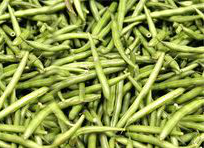
Guar Gum or cluster bean is extracted from the seed of an annual legume known as Cyamopsis tetragonoloba. The seed pods grow in clusters and the plant is is extremely drought resistant and will thrive in semi-arid regions. It grows in sandy soil and over the years the plant has become far more disease resistant which has meant higher yields. They can be fed to cattle and are dehusked and milled to obtain the guar gum. India is the largest producer of guar gum products, contributing some 40% of the world’s supply, with Pakistan and the United States not far behind. Records show that guar gum exports have increased by close to 140% between April 2012 and January 2013.guargum

The Grinding to Powder Process

The cluster bean goes through a number of processes – the roasting-, grinding and polishing process. The gum is made from the endosperms or splits of the seed. When the seed is split in two, the hull and germ are mechanically scraped off to get endosperm. The splits are then purified and ground into powder. Throughout production care is taken that hygienic practices are conducted and that the nutrition factor is not disturbed.

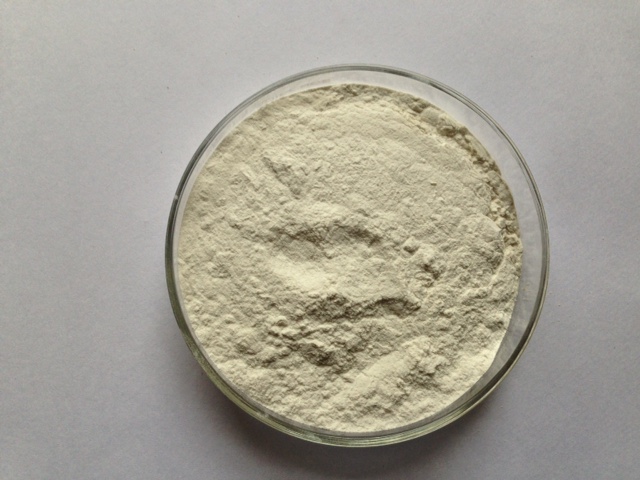
The powder is sold as a whitish, yellowish odorless powder, available in different viscosities. The purified grade is used in the food, pharmaceutical and cosmetic industries, but because of its ability to bind water by hydrogen bonding, form films, suspend solids and control the viscosity of aqueous solutions, it is used in many industries. The grade of the powder will depend on viscosity, pH, active matter content, degree of substitution and granulation.

Guar Gum Powder Used in Many Industries

Guar Seed - Guar Gum Splits - Guar Gum Powder

The guar gum powder is nutritionally beneficial to humans as well as animals, but it is perhaps best known an an important ingredient as a food thickener and as a food additive. It is a natural food supplement with high nutritional value and is used broadly in the commercial food industry.

Some food products where you will find guar gum powder are noodles and pasta, ice cream, cheese spreads, breads and baked foods and flavored milk among others.

It is also used in pet foods and it retains moisture and acts as a stabilizer and suspending agent for veterinary preparations. It is found in nearly every brand of wet pet food, but you won’t find it being sold on its own on the shelf. In pet foods it is used as a thickener and gives the canned meat the right viscosity.

Amazingly the cluster bean is also used in the oil, paper, pharmaceutical as well as many other industries and for many different applications. Apart from being used as a natural thickener, gelling agent and stabilizer, it is also used as a fracturing agent. It is unbelievable that guar gum, used in the food industry, also has so many uses in the oil drilling industry and it is used as a drilling mud and fracturing gel in both the oil and gas industry.

Guar gum powder is well used in the pharmaceutical industries for tablet manufacturing. It is also an important source of dietary fiber, and in fact its high gelling properties have seen it being used in non-prescription diet pills, creating a sense of satiated fullness. The powder is also used as a thickener in cosmetics and as and emulsifier which reacts with oil and water and is used in the manufacture of soaps, creams and lotions. For more information applications about guar gum powder please visit: https://www.altrafine.com/guar_gum_powder_applications.html.

Guar Gum – A Global Product

Guar gum powder has so many benefits and uses which is reflected in the every rising export figures, and because of it becoming such a sought after commodity, it won’t be surprising to see many other countries joining in to try and grow the guar gum.

Ajit PatelThis Article has been written & posted by .