About Ajit Patel

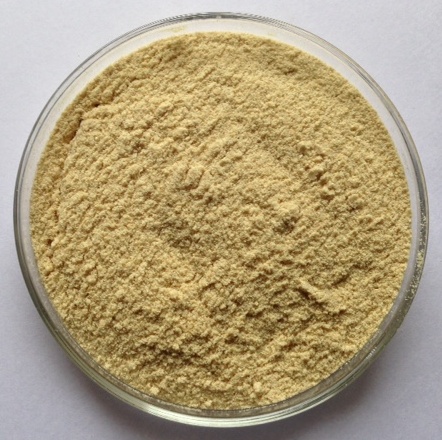
CEO, Altrafine Gums With over Four decades of expertise in the natural gums and hydrocolloids industry, Ajit Patel leads Altrafine Gums, a globally recognized manufacturer and exporter of Guar Gum Powder, Cassia Tora Powder (Cassia Gum Powder) and other Hydrocolloids. Under his visionary leadership, the company has built a strong reputation for quality, innovation, and reliability across the food, feed, pet feed, pharmaceutical, mining, oil drilling and cosmetic sectors. Altrafine Gums has been serving global industries for decades with a focus on sustainable sourcing, research-driven production, and stringent quality control. Its wide product portfolio includes Guar Gum Powder, Cassia Tora Powder (Cassia Gum Powder) and other plant-based hydrocolloids that serve as key functional ingredients in diverse applications. Ajit Patel’s commitment to excellence ensures that every product from Altrafine meets international standards of performance and purity. He is passionate about advancing the global reach of Indian hydrocolloids, fostering customer trust, and promoting eco-friendly, science-backed solutions that enhance product formulation and performance worldwide.

Natural Hydrocolloids as Gelling Agents

What are Gelling Agents?

Gelling agents are substances that are added to foods, and also non-food products such as pharmaceuticals, plant tissue culture, glues and cosmetic products. They are specifically added to food, to give it a shape and gel-like structure and feel. It is added to sweets, jams, jellies and even pastries. Gelling agents are used in a plethora of ways to manufacture more products than what people expect. Though each agent is different in structure and use, they all have some characteristics that are similar. They form clumps when added haphazardly, and should be used in concentrations of 0.5% to 10%. Most of them require 2-3 days to hydrate and reach maximum viscosity.

Industries and Applications of Gelling Agents:

The food industry is the biggest consumer of these substances. They use it in production of confectionaries, salads, juices, and spice mixes. It is also used in the pharmaceuticals industry to make capsules and even healthy drinks. The health industry also offers solutions such as increasing milk supply in lactating women and also in cases of low libido levels. The oil and gas industry, textile and even the agricultural industries use gelling agents.

Some of the most common natural gelling agents widely in use today are

Guar Gum

Guar Gum Powder - 2This is a wild growing plant commonly found in India and Pakistan. Due to its biology which involves it’s very unique seeds. They contain a large endosperm and a protein rich germ with plenty of galactomannan which exhibits high hydrogen bonding capacity thus causing a great impact to the texture of fluids. This characteristic has led to the processing of guar gum as a gelling agent that is of help in the production of beverages and foods such as ice cream, cheese and other baked goods as gelling agents.

Cassia Gum

Alone, it cannot be used as a gelling agent but can make gels with other colloids such as Carrageen and Xanthan ; thus used in production of gels in pet and food industry. Goma cassia as commonly known in Spanish, has high quantities of galactose and 75% polysaccharide which is very crucial in making gels.

Tamarind Gum

This tree is also known as “asam” in Malaysia and Indonesia, also has a ton of other names in the many countries it is used. Its ripened fruit is used for making desserts as a jam, where it is a thickening and gelling agent. It is also used in juices, ice creams and sorbets.

Fenugreek GumFenugreek Gum - 1

This semi-arid crop with small leaves is a great addition to the gelling agents’ class. This is high molecular weight polymer, used basically for flavoring and also sometimes for thickening or gelling agent in various food preparations. This galactomannan is basically made of galactose and is also combined along with mannan, a high molecular compound of mannose. This galactomannan has the required viscosity that enables to easily convert cocoa into chocolate, and milk into ice cream and hence is a good ingredient for use in frozen foods.

Sesbania Gum

This China-originated plant has been used for making sesbania gum which forms a viscous fluid when added to water. The high characteristic viscosity of this product makes it a good gelling agent in waste water treatment, and in dyes. For more information about Sesbania Gum please visit: https://www.altrafine.com/sesbania-gum-powder.html

Ajit PatelThis Article has been written & posted by .

One of the reasons sesbania gum has many applications is because it has many different valuable properties, which is the reason it is used in many areas. Indeed, it has been applied in food, textile and oil drilling industries. It forms a very viscous substance when mixed with water. Indeed, this viscous substance is 5 times more viscous than any substance formed when other gums are mixed with water. However, it cannot form a mixture with alcohol and organic solvents. Sesbania gum powder, like any other gum, is extracted from the goma sesbania seeds. It is one of the cheapest seeds to produce because it grows in alkaline soils.

Sesbania Gum - 1

Uses of Sesbania Gum Powder as Additive for Oil Well Drilling

Sesbania gum powder as an additive for drilling wells for oil extraction can increase productivity when it makes it easy to extract oil in the specific drilling conditions. Indeed, sesbania gum powder in oil drilling process acts as a blocking agent, resistant and reducing agent and is very useful in protecting water to mix with oil during drilling. Many-a-times it can also be used as a thickener to modify the flow properties of oil drilling mud. Here, using sesbania gum powder it is easier to control the mud during drilling, so that it cannot affect drilling processes. Sesbania gum powder for drilling acts as a track filler to allow fluid cracking leading to which has been applied in increasing productivity during oil drilling.

Other Applications of Sesbania Gum Powder other than Oil Drilling

Sesbania Gum - Sesbania Gum PowderApart from oil well drilling, sesbania gum or the goma sesbania has been applied in various other industrial applications too. It is used in textile industry as a sizing agent where it can modify the dye absorption properties of yarn or fibers. It also acts as a thickener of dye, which helps textile materials maintain color during textile printing. In food industry, goma sesbania is used as an additive in baking. It helps in maintaining consistency of the dough, improving the leavening property and stabilizing the flour. In pet foods, it acts as a thickener. Goma sesbania has also been applied in water and wastewater treatment as a flocculent. In addition, it is used in incense sticks.

Conclusion

Sesbania gum has found wide applications in various industries. Recently, it is being used, instead of other gums such as guar gum and others in oil drilling and cracking. It can act as a blocking agent, resistant and reducing agent to prevent water from mixing with oil. Sesbania gum powder is used to modify flow properties of mud in oil drilling conditions. It has also been used to facilitate fluid cracking, which leads to increased productivity. Goma Sesbania can also be used in textile industry as a thickener of dye to facilitate dye maintenance on fabrics and yarns/material. It has also been applied as an additive and thickener in food industry, flocculant in water and waste water treatment and incense. It is also applied as a stabilizer in the food industry, for leavening, and maintaining the dough, when mixed with flour.

In addition to sesbania gum powder, we also offer high-quality guar gum powder. To learn more about its properties and applications, visit: https://www.altrafine.com/guar-gum-powder.

Ajit PatelThis Article has been written & posted by .

What is Tamarind Gum Powder?

Tamarind Gum Powder (Tamarind Kernel Powder) - 1Tamarind gum is a gum that is derived from the endosperm of the roasted seeds of the tamarind treeTamarindus Indica .The temperature conditions maintained for roasting the seeds are 130, 160, and 180 degrees. The tamarind seeds are about 1.6cm in length and 0.7 cm thick. The pods are 3-6 inches long with around eight seeds in each pod. It is used both as a stabilizer and emulsifier in the food industry.

Regions where it’s Highly Grown

Tamarind seeds are commonly grown in India Bangladesh, Shrilanka ,Burma and other parts of the world but are native to South India and Africa. The tamarind trees are evergreen trees that grow to a height of about four meters and bear fruits after 13 years with an average of 180 kg for a full grown tree.

Properties of Tamarind that make it useful to use in Food and Pet Food

Tamarind gum powder has specific properties that have made it be popular in the food and pet food industry some of which include:

Tamarind gum powder has sweet and acidic contents: it is best described as having a sweet and sour taste and is high in vitamins and acids .It is therefore used as a souring agent in preparing curries. It is also used for making sauces, syrups, and other food beverages. The acids are also anti oxidants which help protect the body from harmful radicals.

It contains polysaccharides which contain dietary fibers .The dietary fibers prevent constipation by augmenting the bowels. The fiber also binds toxins in the food which helps protect the colon from cancer-causing chemicals.

It contains vitamins including thiamin which help in enzyme metabolism inside the body.

Chemical Composition and Nutritional Value

The nutritional composition of tamarind seed which is the source of the gum powder consists of :

• 15.4% protein.

• 7.5% oil

• 8.2% crude fiber.

• 72.2 % non fiber carbohydrates

• 3.3% ash

Chemically, tamarind gum powder is a highly branched carbohydrate polymer ,consisting of D-glucose units that are joined with 1-4 linkages that are similar to that of cellulos. It also has a pH of 6.0

The exact distribution of branches along the main chain is still uncertain.

Uses of Tamarind Gum Powder in Food

Tamarind Seed - 1Tamarind gum powder is used in food production industries and applies largely in making sauces, baked food meat product ketchups and instant noodles.

Also, tamarind pulp made from tamarind gum powder is used a souring agent in Indian curries due to its sugar and acidic contents.

The tamarind gum powder is also used in food preservation with or without acids and gelatinizes with sugar concentrates even in milk and cold water.

The Swahili people in southern Kenya use it for garnishing of legumes and for making juices. In Mexico, it is used to add flavor to rice.

It is also used as a stabilizer in ice creams, cheese and mayonnaise.

Uses of Tamarind Gum as Pet Food Additive

The tamarind gum powder has a high ability to control viscosities when added in solutions and therefore makes up for a great supplement to add in pet foods.

It is also a thickening agent. For this reason it is used in manufacture of canned pet foods.

Finally tamarind gum powder has great nutritional value and contains fibers which help in improving digestion in the pets. To know more about Pet food additive by view this video –

Making the Tamarind Gum Powder

The production process of tamarind powder starts with first cleaning the tamarind fruit to remove the seeds and dirt.

The fiber is then removed to the maximum extent possible.

Followed by the shredding of the pulp which then dried and mixed with starch to 20% level and then the mix is ground in a pin mill to form a coarse powder like mass.

The powder is then packed in pouches and cartons before distribution. It is used in a variety of food items like Chutneys, Sauces, rasams etc.

Future Market of Tamarind Gum Powder in Food Industry

Tamarind gum powder has high nutritional value that makes it popular in the food industry. Additionally, its chemical composition gives it incredible soluble properties that are widely used in the food industry. As well as being renowned as a souring agent in curries it is also used in making ketchup, ice cream, etc all which are growing industries and as they grow then the demand for tamarind gum also keeps on growing.

The future of tamarind gum in the food industry is bound to keep growing as more companies embrace tamarind gum powder’s nutritional value. For more information please visit: https://www.altrafine.com

Ajit Patel

This Article has been written & posted by Ajit Patel.

What is Sesbania Gum Powder?

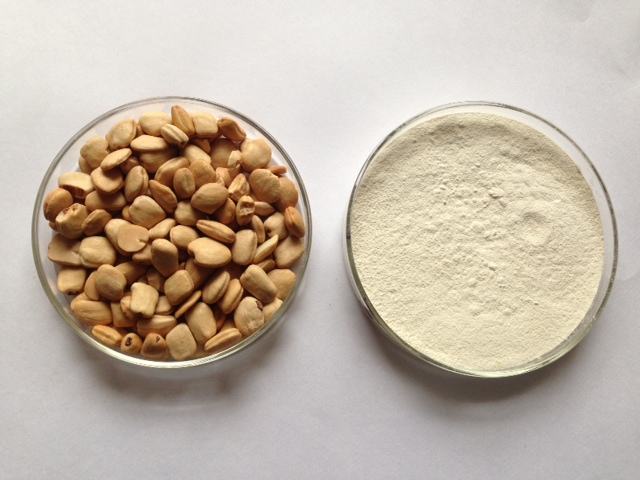
Sesbania Gum - 1Sesbania gum powder is undoubtedly one of the most commonly used additive substance in the manufacturing industry more so the textile industry. Sesbania gum as well as sesbania gum powder is derived from the seeds of the sesbania plant which commonly grows in the regions of Asia, China as well as parts of Africa. The sesbania plant is a short annual plant that grows to a height of two metres and produces the sesbania seeds referred to as sesbania aculeate. The tough, short stemmed, fibrous, yellow flowered and purple spotted shrubs produce light brown sesbania seeds which are the main ingredients for Sesbania gum or goma sesbania in Spanish.

The process of making goma sesbania or gum powder from sesbania seeds involves harvesting the pods, sorting the sesbania seeds, roasting the kernels to separate the husks and the seeds, splitting the seeds to retrieve the endosperm from the germ ,milling and finally screening to come up with a creamy powder which when dissolved in water becomes a gum.

Properties of Sesbania Gum Powder That Make It Ideal for Textile Industry

• Goma sesbania or gum derived from sesbania beans is a pale white creamy powder that features the following properties:

• The additive is highly soluble in both cold as well as hot water hence making a suitable viscosity agent.

• Gum from sesbania beans has wide temperature variations which make it flexible to use in different textile processes.

• The textile additive is insoluble in many inorganic solvents such as alcohol, ethers, ketones and other organic solvents consequently making the gum powder salt and brine resistant.

• Sesbania gum powder for textiles has a high viscosity which is 5 to 10 times stronger than most commonly used gum or gelling compounds. This is attributed to its high pH range of between 6 and 11.

• The gum from sesbania seeds has good stabilizing properties due to it being a galactomannan polysaccharide with a minimum viscosity of 2000-2500cps and a maximum of 3000-3500cps.

• Gum from the sesbania seeds has good gelling properties credited to a low moisture content of 12% as well as its pseudoplastic film forming properties.

Applications of Sesbania Gum Powder in Textile Industry

Sesbania gum powder for textiles is used in various processes in the industrial sector with the following being most notable:

• Sesbania gum powder is used as a sizing agent with the aim of making the fabric stronger, smoother and adheres to dyes without the colors running.

• The salt and brine resistant properties of sesbania gum make the process of bleaching and refining the final fabric easier and convenient since the solutions will not harm the textile material.

• Gum from the sesbania seeds is used as a dye thickener in the textile industry thus allowing the dyes or stains to adhere better to the fabric without running or blotting.

Conclusion

Latest statistics show a growing trend in regard to the use of sesbania gum powder for textiles; this is pegged on the technological revolution that is leading to growth in textile industries both locally, regionally as well as globally. In order to ensure that the current as well as future demands are met, it is highly advisable to empower the cultivation of sesbania plant to boost production.

Ajit Patel

This Article has been written & posted by Ajit Patel.

Tamarind Gum Powder

Tamarind Gum Powder (Tamarind Kernel Powder) - 1Tamarind gum powder is derived from the seeds of a tree called Tamarindus indica linn, more specifically, the endosperm of the seeds. Tamarind gum powder has been applied in many industries, including pharmaceutical, textile and food industry, owing to its properties as an emulsifier, and its ability to form a gel or solution in water or change viscosity of a liquid (thickener). There are basically two different grades of tamarind gum powder which are used in specific industrial applications like pet food, cattle feed, textile and pharmaceutical industries. These are oiled tamarind kernel powder and the de-oiled tamarind kernel powder.

The oiled tamarind kernel powder is the best product for use in textile applications while the de-oiled product is used to feed pets & cattle and is valuable product for pharmaceutical applications as well.

Oiled Tamarind Kernel Powder for Textile Industries

Tamarind kernel powder containing the oil content in it is a suitable product for use in textile industries. It has got unmatched thickening property and hence is used as thickening agent for better fabric production processes in textile industries. Textile sizing is the main application where this oiled tamarind kernel is employed. It has unmatched penetration and fiber forming characteristics which make it an an important component for use in sizing of textile fabrics. The product is basically soluble in hot water as compared to other gums like guar which can rapidly dissolve in cold water. It is easily dispersible in water and expansively swells in the boiling water. Upon cooling, this can be employed used for textile printing on fabrics with disperse, cationic and acid dyes. Tamarind kernel powder can produce excellently bright and levelled shades on fabrics. Hence it has valuable applications in textile sizing, dyeing and printing applications.

Uses of Tamarind Gum Powder in Pharmaceutical Industry

Tamaind Seed - Tamarind Gum Powder (Tamarind Kernel Powder)Tamarind gum powder used for pharmaceuticals is the deoiled product obtained after the oil extraction. The de-oiled flakes obtained after oil extraction are grinded to obtained the deoiled tamarind kernel powder which is a valuable product used for manufacture of drugs and tablets because it can improve dissolution of the medicinal products that are of poor solubility in water. Tamarind gum powder for pharmaceutical acts as a thickener too. It has been applied in the manufacture of bioadhesive tablets, and it was noted that lactoferrin tablets that contained tamarind gum powder or goma tamarind could stay longer in the oral cavity compared to those containing xanthan gum.

Conclusion

Tamarind gum has found diverse applications because of its diverse properties and is used oiled and deoiled forms. Tamarind gum powder for pharmaceutical is used to improve dissolution of components that are poorly soluble in water, in the manufacture of tablets. It has also been found that lactoferrin tablets containing the gum can stay for longer in the oral cavity. It is also used as an emulsifier and thickener. When used in textile industry tamarind gum gives excellent sizing and dyeing applications because of its valuable properties. It is soluble in hot water and produces shades on fabrics and hence is an important component for textile printing processes as well. Hence tamarind kernel powder has got various applications in textile and pharmaceutical industries but when used in different forms as the oiled and the deoiled product.

In addition to tamarind gum powder, we also offer high-quality guar gum powder. To learn more about its properties and applications, visit: https://www.altrafine.com/guar-gum-powder.

Ajit Patel

This Article has been written & posted by Ajit Patel.

Guar Gum Production in Relation to Other Main Export Crops

Latest statistics indicate that guar gum continues to enjoy an impressive growth in regard to annual production as well as increased exports. Figures from Director-General of Commercial Intelligence and Statistics (DGCI&S) show that Guar gum which has been regarded as India’s second largest agricultural export has overtaken the main export crops which is rice (both basmati and non-basmati rice). Data from DGCI&S shows that Guar gum exports account for 18% of India’s total farm exports which are valued at Rs 120,000 crore up from 7% as at 2010-11. In the period 2012-13 goma guar exports stood at $4.9billion, followed by basmati rice at $ 2.6billion and third came cotton at $2.6billion with the main export which is a non crop being plastic and linoleum at 5.0 billion.

Guar Seed - 2Reasons behind Upsurge in Guar Gum Export and Its Prices

In the period 2012 prices for guar gum powder increased by 900-1000% with the prices shooting up to Rs 100,000 per quintal of gomme de guar or guar gum with the seeds fetching Rs 35000 up from Rs 3000.This resulted to a 374% increase in exports but declined to 139% in the following period 2012-13.The increase in the export as well as the price was due to speculation of their being a drought hence the oil and drilling multinationals especially from the US stocking up to mitigate any imminent occurrence.

Future Growth Prospects of Guar Gum Market in India

India is the world’s largest producer and exporter of guar gum and guar gum powder in the world, with annual exports recorded at approximately 1-1.5 million tonnes. 80% of goma guar is used in Oil and gas drilling with the United States being the main market with an annual 40,000 tonnes of guar gummi(gum from guar). The growth path of guar is most prolific of all India’s export with an average growth rate of 21% according to the Government’s Union budget 2013. Figures from DGCI&S indicated a surge in basmati rice at 71% with the market share of non-basmati rice rising from 0.52% to 12% between the periods of 2010-11 and 2012-13.

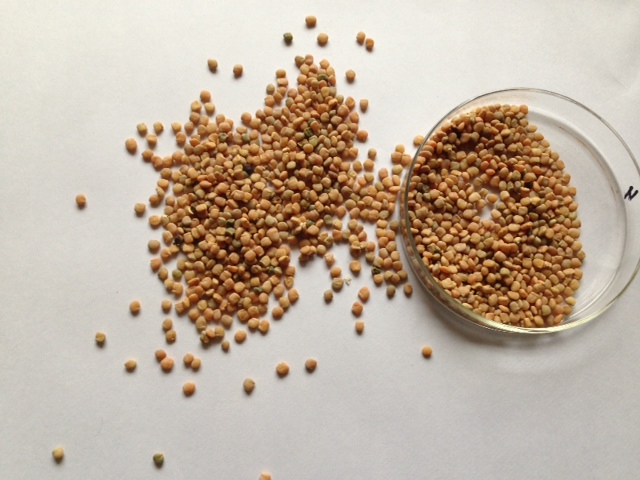
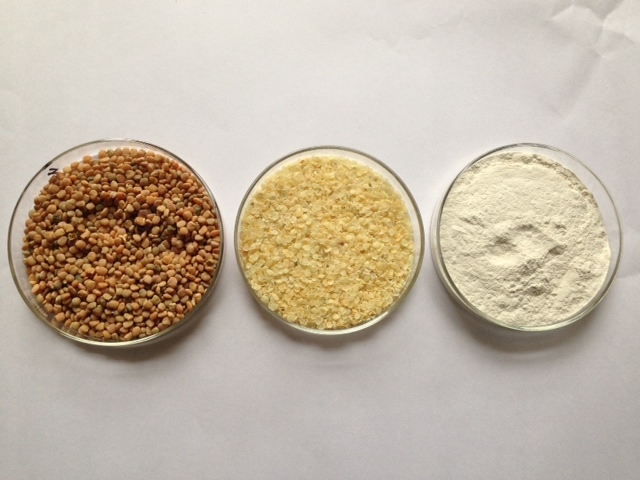
Guar Seed - Guar Gum Splits - Guar Gum PowderAccording to Times of India publications (TOI) there has been a general improvement in the living standards in Guar growing regions of Rajasthan, Gujarat, Haryana, Punjab, Uttar Pradesh, Madhya Pradesh, Tamil Nadu, Maharashtra, Karnataka and Andhra Pradesh among others. However, there is also an increase in competition from competitor countries with the main rival being Pakistan; other exporting countries of guarkernmehl or gum from guar include Australia and some parts of Africa. The US will still play an integral role in boosting demand for guar gum powder as well as goma guar due to the drive to attain oil self sufficiency which might go on for about 15-20 years according to International Institute of Strategic Studies(IISS). However, the drive for renewable energy might adversely impact the demand for guar gum as well as guar gum powder hence the need to foster exports to other regions such as Spain, German, France, Brazil, Sweden and United Kingdom among many other countries. All said and done, guarkernmehl, guar gummi, gomme de guar or simply guar gum will still continue to play a central role in regard to India’s crop exports. For more information please visit: https://www.altrafine.com

Ajit Patel

This Article has been written & posted by Ajit Patel.

Fast Hydration Guar gum in Oil Production

Fast Hydration Guar Gum Powder1

Basic Description of Oilfields and Oil Extraction

An oil field refers to a area or region with an abundance of oil wells that extract crude oil(petroleum) from the ground. In order to enhance full oil extraction then multiple wells are scattered all over the oilfield because the oil reservoirs extend over large tracts of land.

Other additional structures in oil fields include pipelines to transport oil from one place to another, wells that probe the edges, and other support facilities.

Establishing an oilfield is a challenging process this is mainly because most are set up away from civilization .setting up electricity and water as well as houses for the workers, and heating up the pipelines in the cold areas are some of the activities that make setting up oil fields a little challenging. The typical oil field resembles small town that is dotted with drilling rings and pump jacks.

Oil Extraction:

This is the process by which usable petroleum also called crude oil is extracted from the earth. Before extraction begins, a survey is done to see whether the place is oil viable. Gravimeters and magnetometers are some of the equipment used in the search for oil. Extraction starts with drilling of wells into the reservoir. Secondary wells are sometimes used to pump steam acids and water to rise the reservoir pressure and make the process economically viable.

What is Fast Hydration Guar Gum Used for preparing Drill Solutions?

images_guar_oildrillingThis is a specially processed guar gum that is manufactured with double refined splits allows for better filtration and achieved maximum viscosity in three minutes. The gum has different grades that have high viscosity. It is also known as diesel slurry guar gum.

Properties of Fast Hydrating Guar that makes it a useful Industrial Product

Fast hydrating guar gum is used widely in the oil and gas drilling industries as well as oil extraction industry.

  • It is a white-yellow powder that almost has no smell. When dissolved in water it forms a paste with very high viscosity. Its viscosity is a function of concentration time and pressure. This makes it be used as a drilling thickener.
  • It take just three minutes to reach high viscosity while regular guar gum takes almost two hours to achieve the same level of viscosity. It saves both time and resources that yield more profits and is therefore more convenient for the oil drillers.
  • The fast hydration guar gum contains hydrocholloids which are thickeners. It has a thickening capability that is eight times that of water. When combined with starch they are used in oil and gas recovery
  • Fast hydrating guar gum is very soluble which makes it a good stabilizer when used in oil extraction.
  • The guar gum remains very stable even under low freezing temperatures. It can prevent the growth of ice crystals while still working at optimum levels .this comes in as important to oil drilling companies that are located in low temperature regions.
  • From its thickening properties oil drillers and extractors use it to reduce friction in the holes which in turn reduces the power usage.

How Fast Hydration Guar Gum enhances The Oil Extraction Process for Better Production at Oil Field?

Fast hydrating guar gum has just the right physical and chemical properties that make it very useful in the oil extraction process. These properties help it to improve the production in the oilfields.

When used in the right Ph value between 5 and 7 it enhances viscosity it also lubricates the holes and reduces water loss this reduces costs while at the same tie improving the production rates.

The fast hydrating guar gum is also used as a viscosity regulator of the mud solution which stabilizes and regulated the flowing properties of the drilling mud.

Fast hydrating guar gum is also used as a cooling agent in cooling the drilling bits continuous fracturing in the oil and cementing the slurries in the oilfields. This enhances the extraction process.

In the oilfields it is also used as a surfactant and a defoamer as it is well suited for the requirements that are needed in brine-based drilling fluids.

Demand for Fast Hydration Guar

Fast hydrating guar gum has proven to be very useful and economical in the oil extraction industries. It has a wide collection of applications that enhance the oil production process. Its use continues to display exponential growth rates and has therefore raised its demand as well.

More countries all over the world use fast hydrating guar gum in their oilfields because of the properties that we have discussed above. As the number of developing countries that are venturing into oil exploration and extraction increases so does the demand for fast hydrating guar powder.

Currently the total global production of guar gum stands at over 600000 tones with India being one of the main exporters. Owing to its unique applications in a very competitive industry the figures of the products demand keep on rising. For more information please visit: https://www.altrafine.com/fast_hydration_guar_gum_powder.html

Ajit Patel

This Article has been written & posted by Ajit Patel.

Cassia Gum Production in India

Cassia Gum Powder (Cassia Tora Powder) - 1

Cassia Gum:

Over the years, consumers continue to cherish and respond to quality brands that are established mainly by virtue of their performance, availability, and development. One such product is cassia gum.

Cassia gum is derived from the endosperm of the senna obtusifolia also known as cassia tora or cassiaobtusifolia. Cassia tora is a wild plant that grows all over India as a weed. It also widely grows in the Mediterranean .Apart from its widely appreciated food additive property, cassia gum is also renowned as a thickener, as well as a gelling agent. It thrives in hot and wet tropical conditions and can grow wildly or be planted commercially.

Nutritional /chemical content of cassia gum

The primary constituents of cassia gum include tannins, mannitol, coumarins, essential oils such as aldehydes, cinnamadehyde gum and about two percent cassia oil that is responsible for the spicy taste and aroma. Additionally, it contains resins, sugar and mucilage. Below is the exact chemical composition of cassia gum:

  • 75% molecular weight.
  • 5:1 ratio of mannose to galactose .
  • 7.1% glucose.

Cassia gum has close relation to tara gum and guar gum as far as chemical properties and structure are concerned.

Properties of cassia gum

• It can be combined with other hydrocolloids such as xathan gum to from gels with unique properties synergistically.

• Cassia gum when combined with carrageen forms thermoplastic gels.

• It dissolves in hot water and requires heat in order to attain full viscosity in fluids.

Applications of cassia gum

 Cassia gum can form gels with other colloids. For this reason it is used in the manufacture in both the pet food and food industries .

  • Cassia gum is made for use as an emulsifier which helps in the breaking down of fat and oils.
  • It is a foam stabilizer.
  • It is used for moisture retention and a texturing agent in making cheese, dairy mixes and desserts ,poultry products and meat products.
  • Cassia gum is also used as a stimulant and a therefore a suitable alternative for coffee.

To know more applications of cassia gum powder please visit: https://www.altrafine.com/cassia-tora-powder

Demand for cassia gum in India, production and export of cassia gum from India

Cassia gum whose wide collection of applications are becoming more and more popular among consumers in India and all over the world continues to experience high demand. The food industry in India is demanding more cassia gum because of its thickening property which is used in making paste to thicken food. Bakers in India are also in high need of cassia gum for its moisture retaining ability that is used in kneading dough and retaining its moisture. Cassia gum is also in high demand within the pet food sector where its use continues to grow each day.

Cassia Gum Powder (Cassia Tora Powder) - 2

The production of cassia gum in India starts with the growing of the cassia tora which grows indigenously as a weed in India. The perpetual demand for the gum has made the plant to be grown for commercial purposes. The plant is now cultivated more professionally, under the right climatic conditions which include sunny weather and frequent irrigation .It is later harvested and the seeds go through the process of dehusking and making gum powder. Large scale production of the cassia tora from which the gum is derived is being embraced widely in India.

The process of manufacturing Cassia Gum

After the processing of the seeds and making cassia gum, India exports the product to different countries. Countries in Europe are the customers of cassia gums and India exports the product to them. Some of the countries that India exports cassia gum to include, France Belgium, and Australia. A lot of other countries are joining the cassia gum market and India is finding more countries to exportcassia gum to.

i. First, the seeds which are used as the raw materials go through a thorough process of different mechanical cleaning steps with the aim of removing impurities some of which include farm waste, and stones.

ii. The subsequent steps involve dehusking and splitting of the seeds. Mechanical and heat treatment are conducted which remove the husk of the seeds as well as the germ resulting in splits. The purpose of the splitting process is so that both the germ and husk are loosened from the endosperm.

iii. The seeds are de-germed through milling and screening the endosperm.

iv. The final step involves the grinding of the splits to uniform small particle size powder.

Future market for cassia gum in India

Currently, cassia gum has been approved Japan, China, India and Australia. Its use is limited in states such as Russia with only the authorities being authorized to use it. For human food application the plant has been approved in France, Belgium and Australia.

From this we see that most countries are on the roads to approving the use of cassia gum within their borders. Unlike the past years where the cassia gum market was limited mostly by most countries either not allowing tits use in their countries or imposing limits on its use , now more foreign countries are accepting the enumerable benefits of cassia gum.

Export market for cassia gum in India is hence growing exponentially and the product is set to a very promising future with the acceptance, approval and general knowledge about cassia gum benefits continues to gain reputation around the globe.

Ajit Patel

This Article has been written & posted by Ajit Patel.

Introduction about Guar Production in India

India is the largest exporter and supplier of guar gum in the world market today, with a command of over 80% of the world guar market share. Extracted from a leguminous plant known as Cyamopsis tetragonoloba, Guar gum India demand has shot in the recent past as it continues to be used as a thickening agent in oil and gas extraction. Guar gum India is also used in textile, pharmaceuticals, food and cosmetics industry, among others.

g-1

Why is India the Top Producer of Guar Gum in the World?

India also doubles as the world’s leading in guar gum production because of favorable sandy loam soils and climatic conditions for guar growth in the North and West India. Production of guar gum in India, has increased in the recent past because of increase in demand and the fact that the products have ready market, whether as guar gum powder, guar split or the green. Guar gum powder is extracted from the seeds and has diverse applications as discussed before. There has been a surge in prices for guar gum export in India in the recent past, which has caused more interest in guar growth in India. Prices for guar gum export in India have increased up to 5-10 times in the past one year and it is expected that farmers in India will increase acreage by 2-3 times this season to respond to world demand.

Guar Gum Cultivation Process in India

cultivateJodhpur in Rajasthan, India is the most important area for guar gum production. The guar seeds are planted at the rate of 30 kilograms per hectare. The spacing for guar gum seeds is 45-60 x 20-30 cm and planting is done in June to July and during February and March. These seeds are of two categories, namely the Pusa Naubahar and Pusa Sadabahar. In summer times, the seeds are sown in furrows. During the summer times, the seeds are placed in ridges that are 2-3 cm deep. The crop requires moisture to grow but can resist semiarid conditions. Guar gum India plant requires some amount of rainfall and a lot of sunshine. It does well in fertile and medium-textured sandy loom soils and although it is resistant to drought, maturation may be delayed with frequent drought spells. It is a legume that is tolerant to saline conditions and does well at a pH of 7-8 (moderate alkaline). The crop is susceptible to weed when very young and weeding is necessary. It is also affected mostly by two types of diseases, namely Alternaria cucumerina var. cyamopsidis and Xanthomonoas cyamopsidis and hence, one is required to choose cultivars that are resistance to these.One is also advised to adopt splinkler irrigation or take advantage of the rains to prevent increase of population of Contarinia texanaguar midge, which is a predator. Fertilizers such as N, P2O5 and K2O are applied to the soils at the rate of 20:60:80 kg per hectare. One hectare can produce up to 5-6 tonnes for seeds, while biomass production is in the range of 40-50 tonnes/ha.

For more information about guar gum please visit: https://www.altrafine.com

Conclusion

Large guar gum production in India is because of the sandy loam soils and climatic conditions, as well as increased global demand and surge in prices. Thus, farmers see it as a better cash crop. Guar gum export in India is reliable, with the country being the largest global guar gum exporter (contributing over 80% in world market).

Ajit Patel

This Article has been written & posted by Ajit Patel.

We all want glowing good looks and to this end we keep up to date with new discoveries in the cosmetics industry for news on creams and lotions that promise to be gentle on our skins, repair damaged cells and restore a youthful glow. While the fountain of eternal youth may remain elusive, there are certainly products which can improve the look and condition of our skin and hair and we want our cosmetics to look and feel good when we use them.

Guar Gum Powder - 2

Studies Prove Efficacy of Guar Gum Powder

The guar gum plant, Cyamopsis tetragonolobus, also known as cluster bean and Siam bean, is grown in the arid areas of India. India is a major contributor of guar gum in the global market with the powder being sold and available in different viscosities. The gum powder is always produced in accordance with safety and quality standards for its use in a broad range of industries such as the pharmaceutical, food and cosmetic industries.

The food grade gum is regarded as the best thickening, stabilizing and emulsifying additive and its ability to suspend solids, control the viscosity of aqueous solutions, bind water by hydrogen bonding and form strong films have meant it is used in many industries.

For commercial production, the guar gum seeds are cleaned and soaked for pre-hydration. The soaked splits are then then flaked and ground into powder and dried.

The Highest Grade Guar Gum Powder for use in Cosmetics

Guar gum for cosmetics is processed and produced from high grade ingredients along with the latest processing techniques to ensure the powder is high quality and non allergic for all kinds of skins. Guar gum is a nontoxic emulsifier that binds to liquids and when it is put in water for instance, it forms a thick and even paste, and it is this ability which makes it such an economical thickening agent in the cosmetic industry.

Face masks are made from natural ingredients which are included because they nourish and cleanse and increase elasticity. Among the ingredients like spring water, olive oil and glycerin, guar gum is included. With its excellent conditioning properties, it contributes towards softness in hair and the skin and assists with detangling hair.

Guar Seed - Guar Gum Splits - Guar Gum PowderGuar gum powder for cosmetics is used extensively in the manufacture of toothpaste, making it possible for the paste to be extruded from the tube without any pressure. It is ideal for use in emulsified systems like lotions and creams as a protective colloid, increasing emulsion stability and preventing water loss and syneresis. Not only that, the use of a natural preservative like guar gum can also help your skin care products to enjoy a longer shelf life.

Many people like to make their own natural deodorants, and a mixture of guar gum and aloe-vera gel along with essential oils can give you a non toxic and effective deodorant. As a non toxic emulsifier that binds to liquids and forms a thick material, is is used broadly in the cosmetic industry to manufacture lipsticks, shampoos, face masks and conditioners.

The Safety of Guar Gum Powder for Cosmetics Tried and Tested

The demand for natural and safe products has increased the necessity of an organic emulsifier, and guar gum powder meets this demand. Even The Food and Drug Administration (FDA) includes Guar Gum on its list of ingredients which is regarded as ‘Generally Recognized As Safe’ (GRAS). It has been concluded that Cyamopsis Tetragonoloba (Guar) is completely safe when used in cosmetic and personal care products.

Through tried and tested research, we use plants as a source of food and medicine, and guar gum, loaded with both nutritional and medicinal properties, has enjoyed a massive increase in popularity and demand. The pharmaceutics and cosmetic industry are primarily focused on using a natural plant based product which is an environmentally friendly ingredient as compared to synthetic ingredients. For more information about guar gum powder please visit: https://www.altrafine.com/guar_gum_powder.html

Ajit Patel

This Article has been written & posted by Ajit Patel.