About Ajit Patel

CEO, Altrafine Gums With over Four decades of expertise in the natural gums and hydrocolloids industry, Ajit Patel leads Altrafine Gums, a globally recognized manufacturer and exporter of Guar Gum Powder, Cassia Tora Powder (Cassia Gum Powder) and other Hydrocolloids. Under his visionary leadership, the company has built a strong reputation for quality, innovation, and reliability across the food, feed, pet feed, pharmaceutical, mining, oil drilling and cosmetic sectors. Altrafine Gums has been serving global industries for decades with a focus on sustainable sourcing, research-driven production, and stringent quality control. Its wide product portfolio includes Guar Gum Powder, Cassia Tora Powder (Cassia Gum Powder) and other plant-based hydrocolloids that serve as key functional ingredients in diverse applications. Ajit Patel’s commitment to excellence ensures that every product from Altrafine meets international standards of performance and purity. He is passionate about advancing the global reach of Indian hydrocolloids, fostering customer trust, and promoting eco-friendly, science-backed solutions that enhance product formulation and performance worldwide.
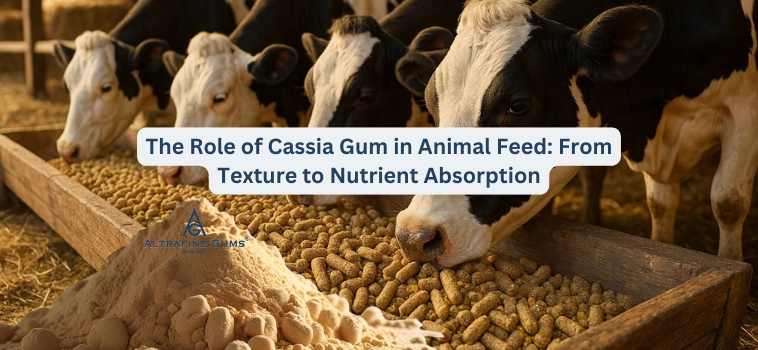
Role of Cassia Gum in Animal Feed - From Texture to Nutrient Absorption

Introduction to Cassia Gum as a Gelling Agent in Animal Feed

Cassia Gum, derived from the seeds of the Cassia Tora plant, is gaining popularity as a natural gelling agent in animal feed formulations. Its natural properties – particularly its high-water retention capacity and gelling ability – make it a preferred ingredient in feed for livestock and pets. Cassia Tora has a long history of use in various industries due to its non-toxic nature and ability to improve the consistency and texture of products. In the context of animal feed, Cassia Gum Powder is particularly useful for improving the stability and texture of feed pellets and other solid feed forms.

The ability of Cassia Gum to form stable gels at low concentrations allows for more efficient production and reduces the need for other, more expensive stabilizers. It helps in providing better texture, making the feed more palatable and easier for animals to consume. Additionally, Cassia Tora Extract can support better digestibility, enhancing the overall feed quality.

1. Determining the Right Dosage of Cassia Gum for Different Animal Feeds

What is the Recommended Dosage of Cassia Gum for Animal Feed?

The right dosage of Cassia Gum varies depending on the type of animal feed and the desired gelling effect. Generally, Cassia Gum Powder is used in concentrations ranging from 0.5% to 2% of the total feed mixture. For instance, in livestock feed, where larger quantities are often consumed, a higher concentration of Cassia Gum may be beneficial to maintain pellet integrity during storage and handling.

For poultry feed, which tends to be finer, the recommended dosage of Cassia Gum Powder may be lower. Typically, 0.5% to 1% is used to ensure the right balance of texture without affecting the palatability.

How Should the Dosage Be Adjusted Based on Animal Type?

The dosage of Cassia Gum should be adjusted depending on the species being fed. For livestock, such as cattle, swine or sheep, higher levels of Cassia Gum (around 1.5% to 2%) may be necessary, as these animals consume larger quantities of feed and the gum needs to bind moisture effectively. For poultry, on the other hand, a lower dosage is often sufficient, as poultry requires a smoother, more finely textured feed, which can be achieved with less Cassia Gum Powder.

It is important to test and monitor feed formulations regularly to ensure that the dosage of Cassia Gum is optimal for the specific type of animal being fed. This will help avoid issues with feed consistency and ensure that the desired properties are achieved.

2. Incorporating Cassia Gum in Animal Feed Production

How Should Cassia Gum Be Mixed into Animal Feed?

Cassia Gum should be incorporated into animal feed using a specific process to ensure that it functions effectively as a gelling agent. The process typically involves several key steps to ensure uniform distribution:

  1. Pre-Mixing: The Cassia Tora Splits should be pre-mixed with other dry ingredients. This ensures even distribution of the gelling agent before any liquid is added.
  2. Hydration: Once the Cassia Gum Powder is properly distributed in the dry mix, water or another suitable liquid is added. This helps activate the gelling agent and allows it to absorb water, forming a gel-like substance.
  3. Heating (Optional): In some cases, slight heating may be required to fully activate the Cassia Tora Extract and ensure the proper gelling properties are achieved. However, excessive heat should be avoided to prevent the Cassia Gum from losing its effectiveness.
  4. Final Blending: After hydration, the feed mixture should be blended thoroughly to ensure that the Cassia Gum is evenly distributed throughout the feed.

3. Cassia Gum’s Role in Enhancing Feed Texture

How Does Cassia Gum Help in Forming Stable Feed Products?

One of the major roles of Cassia Gum in animal feed production is improving feed stability. The gelling properties of Cassia Tora Powder allow it to bind water effectively, forming stable pellets and crumbles that are resistant to breaking down during handling or storage. This is particularly important for pelleted animal feed, where feed integrity must be maintained throughout the entire production and distribution process.

As the Cassia Gum helps form these stable structures, it also improves the overall shelf life of the feed. The gel network prevents ingredients from separating or shifting, ensuring a consistent product.

How Does Cassia Gum Impact Feed Texture and Palatability?

In addition to providing structural stability, Cassia Gum plays a key role in improving the texture of the feed. By binding moisture, it helps create a smooth, consistent texture that is more palatable to animals. This increased palatability encourages better feed intake and digestion, leading to improved feed conversion ratios.
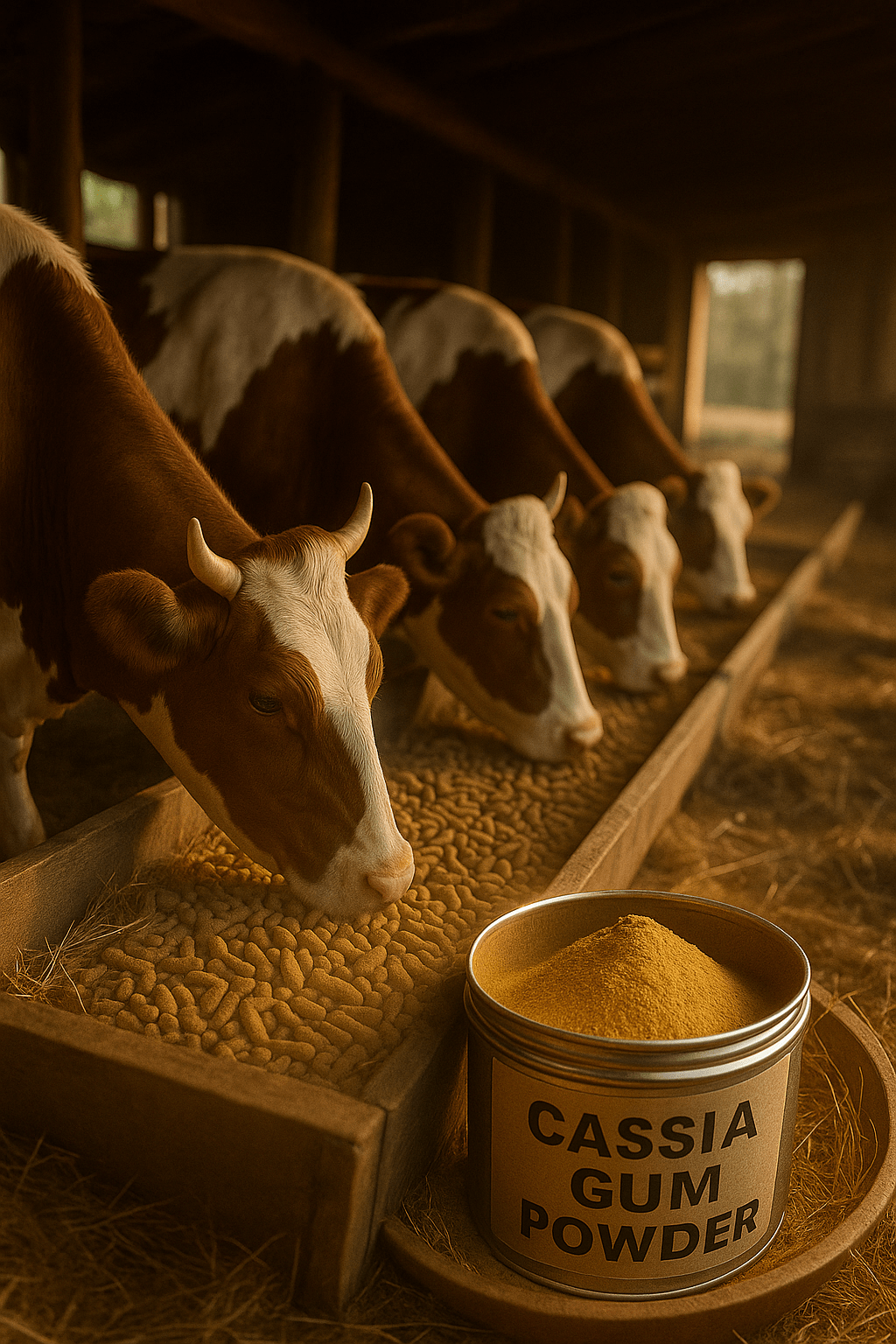
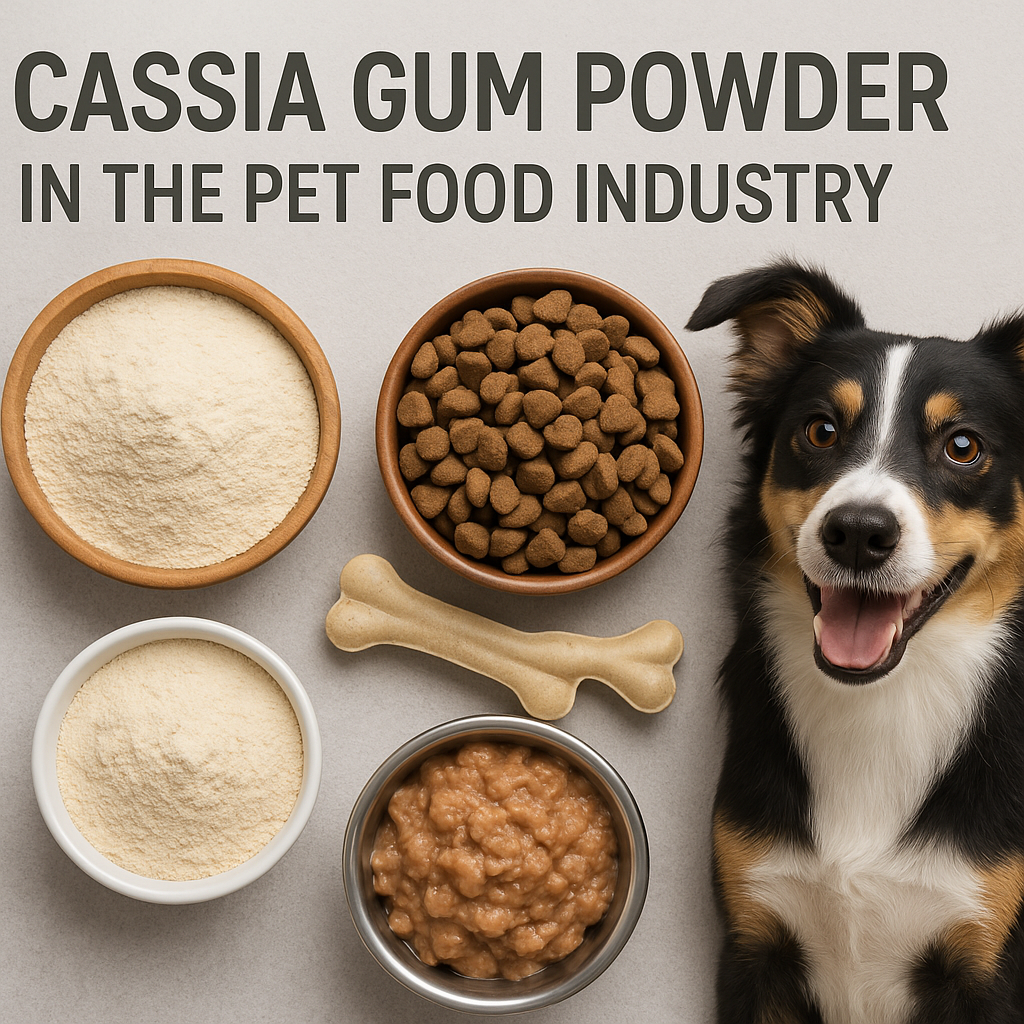
Cassia Gum Powder for Animal Foods

For Cassia Tora in Pet Food, texture is especially important, as pets are more likely to reject feed that is dry, coarse or difficult to chew. The gelling action of cassia gum can enhance the overall eating experience, making the feed more appealing.

4. Improving Nutrient Absorption and Digestive Health with Cassia Gum

How Does Cassia Gum Improve Nutrient Absorption in Animals?

Cassia Gum can enhance nutrient absorption in animals by improving the digestive process. When used in animal feed, Cassia Gum Powder helps form a gel matrix in the gut that regulates the passage of nutrients. This allows for more efficient nutrient absorption, improving overall health and promoting growth.

For animals that experience digestive issues, such as bloating or constipation, the gel-forming properties of Cassia Tora help maintain a consistent and stable gut environment. This can reduce gastrointestinal problems, supporting better overall health and more efficient nutrient utilization.

What Are the Benefits of Cassia Gum for Digestive Health?

Cassia Gum is also known for its potential to aid in reducing digestive issues. By improving feed texture and stabilizing the feed in the animal’s digestive tract, cassia gum helps prevent issues such as indigestion, bloating and diarrhea. This leads to better feed conversion ratios (FCR), as animals can more effectively digest the nutrients in their feed.

5. Quality Control and Monitoring Cassia Gum Usage in Animal Feed

How Can Feed Manufacturers Ensure Consistent Quality in Animal Feed Formulations?

Maintaining consistent quality in animal feed is crucial to ensuring that cassia gum performs optimally. Feed manufacturers should regularly test their feed for consistency, moisture content and texture to ensure that Cassia Gum Powder is providing the desired gelling effect.

Cassia gum can be sensitive to environmental factors such as humidity and temperature, so it is important to maintain a controlled environment during feed production. Monitoring these variables and adjusting the Cassia Gum dosage accordingly can help maintain consistent feed quality.

What Are the Best Practices for Monitoring and Adjusting Cassia Gum Usage?

To ensure that the Cassia Gum is working effectively, feed manufacturers should implement regular quality control checks. These checks should focus on the feed’s texture, moisture retention and pellet integrity. If any inconsistencies are noted, adjustments to the Cassia Gum dosage or processing methods may be required.

Conclusion

Cassia Gum is a highly effective and natural gelling agent in animal feed production, offering a range of benefits, including improved feed texture, stability and digestibility. By following the best practices outlined – such as determining the right dosage, incorporating the gum correctly into the feed formulation and monitoring the final product for consistency – feed manufacturers can fully leverage the Cassia Gum Benefits.

As Cassia Gum Powder continues to play a critical role in enhancing the quality of animal feed, its use will likely grow in importance for livestock, poultry and even pet food formulations. Its ability to improve nutrient absorption, digestive health and feed texture makes it an indispensable ingredient in animal nutrition.

FAQs About Cassia Gum Powder

What is Cassia Gum and why is it used in animal feed?

Cassia Gum is a natural gelling agent derived from the Cassia Tora plant, used to improve feed texture, stability and digestibility.

How does Cassia Gum improve feed texture?

Cassia Gum binds moisture, improving feed texture, making it smoother, more palatable and enhancing overall feed intake.

Can Cassia Gum improve nutrient absorption in animals?

Yes, Cassia Gum helps regulate nutrient passage, improving absorption and digestive health, reducing gastrointestinal issues like bloating.

How can manufacturers ensure consistent quality when using Cassia Gum?

Regular quality control checks for texture, moisture content and pellet integrity, along with environmental monitoring, help maintain consistent feed quality.

<< 1 >>


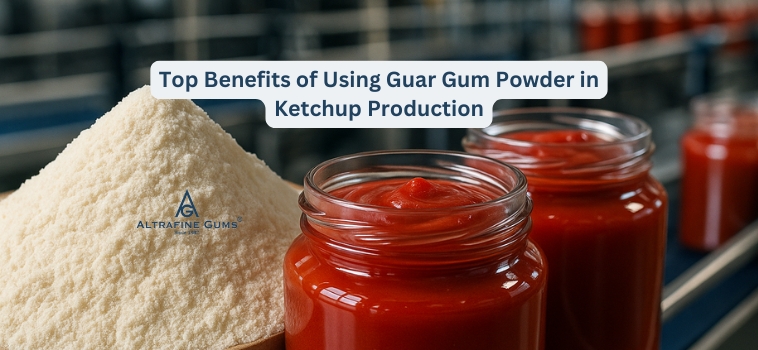
Top Benefits of Using Guar Gum Powder in Ketchup Production

What is Guar Gum and Why Is It Used in Ketchup Production?

Guar Gum, derived from the seeds of the guar plant (Cyamopsis tetragonoloba), is widely recognized for its properties as a natural thickener and stabilizer. In the food industry, Guar Gum Powder is primarily used in condiments, including ketchup, due to its ability to enhance texture, improve viscosity and prevent water separation. As a result, Guar Gum Industrial Use is widespread, especially in products like ketchup, where maintaining consistent quality and texture is essential.

Ketchup rely on Guar Gum for various reasons. Its versatile properties make it a preferred ingredient for achieving the desired ketchup consistency and long-lasting stability. This powder’s ability to form gels and improve texture while maintaining the flavor integrity of the product makes it an indispensable ingredient for ketchup production.

1. Enhancing Thickness and Viscosity

How Does Guar Gum Improve Ketchup’s Thickness and Flow Properties?

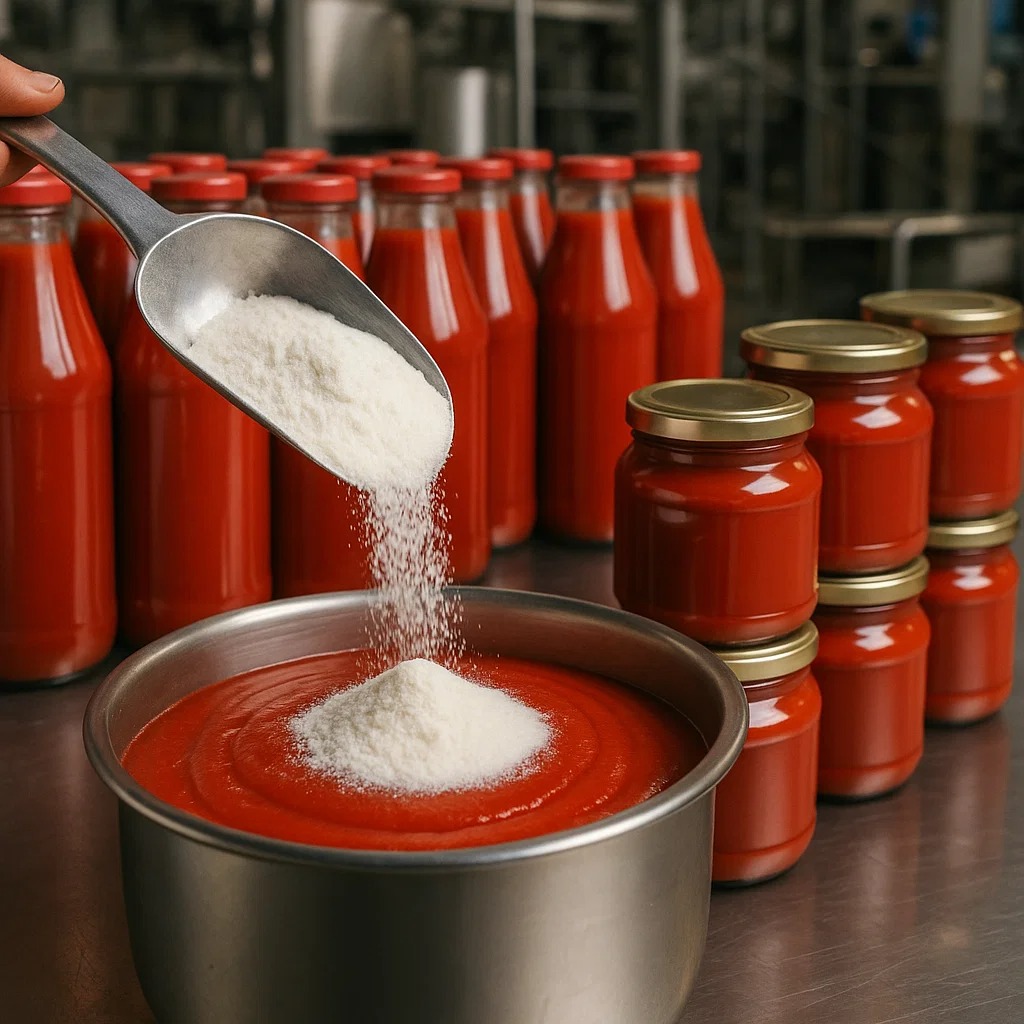
One of the primary functions of Guar Gum Powder in ketchup production is to act as a Guar Gum Thickener. By absorbing water and forming a gel-like structure, Guar Gum improves the body and viscosity of ketchup, giving it the desired thick yet pourable consistency. The use of Guar Gum Powder ensures that the ketchup flows smoothly from the bottle but does not run off too easily, which is a crucial aspect of its market appeal.

How Does Guar Gum Compare with Other Thickeners Used in Condiment Production?

When compared to other common thickeners such as xanthan gum or modified starches, Guar Gum stands out for its ability to achieve the desired thickness at lower concentrations. This makes it more efficient and economical in Guar Gum Industrial Use. Unlike modified starches, which may require higher quantities to achieve similar results, Guar Gum Powder is highly efficient, which is especially beneficial in large-scale ketchup production where cost-effectiveness is crucial.

Buy Guar Gum Direct from Manufacturer

2. Preventing Water Separation in Ketchup

What Role Does Guar Gum Play in Controlling Syneresis?

A significant challenge in ketchup production is syneresis, the process where water separates from the product during storage. Guar Gum, particularly in its Guar Gum Powder form, plays an essential role in preventing this by stabilizing the overall structure of the ketchup. It ensures that the ingredients remain uniformly mixed, preventing unwanted water separation and maintaining the desired consistency throughout the product’s shelf life.

How Does Guar Gum Contribute to Maintaining Stable and Homogeneous Ketchup?

Thanks to its water-binding properties, Guar Gum helps maintain a stable, homogeneous mixture in ketchup. This ensures that the product remains consistent in texture, with no visible separation of water or other ingredients, even during extended periods of storage.

3. Improving Shelf Life and Product Stability

How Does Guar Gum Ensure Ketchup Remains Fresh During Transport and Storage?

Guar Gum significantly improves the shelf life of ketchup by enhancing its stability during storage and transport. The Guar Gum Powder creates a robust matrix that prevents the product from separating, helping to keep the ketchup fresh and appealing over long periods. By reducing the risk of spoilage or degradation, Guar Gum ensures that ketchup remains a reliable product for both consumers and retailers.

What Impact Does Guar Gum Have on Long-Term Stability in Retail Packaging?

In retail packaging, Guar Gum plays a critical role in ensuring that ketchup stays stable even under varying environmental conditions, such as fluctuating temperatures or transportation delays. As a Guar Gum Stabilizer, it contributes to the product’s ability to maintain its original consistency and texture, preserving the product’s integrity and extending its shelf life on store shelves.

Guar Gum Powder Improves Ketchup Shelf Life

4. Providing Smooth Texture and Mouthfeel

How Does Guar Gum Contribute to the Creamy, Palatable Texture of Ketchup?

One of the defining characteristics of Guar Gum is its ability to contribute to the smooth, creamy texture that consumers expect in ketchup. Guar Gum Powder binds water molecules effectively, creating a smooth and palatable mouthfeel. This helps provide the consistency necessary for ketchup to coat food evenly without being too runny or too thick. The enhanced texture provided by Guar Gum makes it a preferred choice for manufacturers looking to satisfy consumer expectations for quality.

Why Do Consumers Prefer Ketchup with Uniform Consistency?

Consumers expect ketchup to be smooth and uniform in consistency, with no water separation or clumps. Guar Gum Thickener, ensures that ketchup maintains this smooth consistency from the first squeeze to the last drop. This uniformity in texture not only appeals to the senses but also increases consumer satisfaction and repeat purchases.

5. Cost-Effective Ingredient for Manufacturers

How Does Guar Gum Powder Provide Economical Benefits to Manufacturers?

Another key advantage of using Guar Gum in ketchup production is its cost-effectiveness. Guar Gum Powder is highly efficient, meaning only small quantities are required to achieve the desired thickening and stabilizing effects. This reduces the amount of raw material needed in production, which helps lower costs compared to other thickeners or stabilizers.

How Does Guar Gum Help Reduce Production Costs?

By using Guar Churi, which are derivatives of guar seed, manufacturers can benefit from reduced input costs while maintaining high-quality standards. The low dosage requirement of Guar Gum Powder significantly reduces production costs, making it a preferred ingredient for manufacturers aiming to maximize their profitability without sacrificing product quality.

6. Compatibility with Ketchup Formulations

How Does Guar Gum Interact with Tomato Pulp, Vinegar, Sugar and Salt in Ketchup?

Guar Gum is highly compatible with the core ingredients of ketchup, including tomato pulp, vinegar, sugar and salt. Its stabilizing properties ensure that these ingredients remain well-blended without causing separation or undesirable texture changes. This compatibility is one of the reasons why Guar Gum Powder is frequently used in ketchup and other sauces, where ingredient interaction is crucial.

How Does Guar Gum Maintain Formula Integrity Without Affecting Flavor or Color?

Unlike some synthetic thickeners, Guar Gum does not interfere with the flavor or color of ketchup. It enhances the product’s texture without altering the taste or appearance, which is critical in maintaining the consumer’s preferred sensory experience. Manufacturers benefit from Guar Gum Powder’s ability to preserve the original flavor profile and vibrant color of ketchup, ensuring that it meets both taste and visual expectations.

Request Bulk Pricing

7. Supporting Clean-Label and Natural Positioning

How Does Guar Gum’s Plant-Based Origin Align with Clean-Label Trends?

In today’s market, consumers increasingly demand products that are natural, transparent and free from artificial additives. As a plant-based thickener, Guar Gum Powder supports clean-label initiatives and allows ketchup manufacturers to position their products as natural and healthy alternatives to others containing synthetic ingredients.

What Regulatory Approvals Support the Use of Guar Gum in Global Ketchup Markets?

Guar Gum is widely accepted and approved by food regulatory authorities such as the FDA and EFSA, ensuring that its use in ketchup production meets international standards. This regulatory backing reassures both manufacturers and consumers about the safety and quality of Guar Gum as a food additive in global markets.

Conclusion

Guar Gum Powder plays a pivotal role in ensuring the consistency, texture and stability of ketchup. Its multifunctional benefits, including thickening, stabilizing and enhancing the mouthfeel, make it an indispensable ingredient in modern ketchup production. By preventing water separation, improving shelf life and providing a smooth, uniform consistency, Guar Gum remains the preferred choice for manufacturers aiming to produce high-quality ketchup that meets consumer expectations. Additionally, its cost-effectiveness, compatibility with ketchup formulations and natural origin make it an ideal stabilizer for clean-label products. As Guar Gum continues to be a cornerstone ingredient in the food industry, it ensures that ketchup production remains efficient, cost-effective and of the highest quality.

FAQs About Guar Gum Powder

What is Guar Gum and why is it used in ketchup?

Guar Gum is a natural thickener and stabilizer derived from guar seeds, used in ketchup to improve texture, viscosity and prevent water separation.

How does Guar Gum Powder improve ketchup's texture?

Guar Gum enhances ketchup’s thickness, providing a smooth, creamy texture that ensures it is not too runny or too thick.

What role does Guar Gum play in extending ketchup’s shelf life?

Guar Gum helps maintain stability, preventing separation and spoilage, thus extending ketchup's shelf life during storage and transport.

Is Guar Gum Powder cost-effective for ketchup production?

Yes, Guar Gum is cost-effective as only small amounts are needed to achieve the desired thickening and stabilizing effects, reducing production costs.

How does Guar Gum align with clean-label trends?

As a plant-based ingredient, Guar Gum supports clean-label initiatives, making ketchup products appear natural and free from synthetic additives.

<< 1 >>


Why Cassia Tora is the Best Natural Alternative to Synthetic Gelling Agents in Food in Sweden?

The increasing demand for plant-based and natural food ingredients in Sweden is reshaping the food industry. This trend is largely influenced by evolving consumer preferences for clean-label, allergen-free products, alongside stringent regulations that demand more sustainable and safer food additives. In this context, Cassia Tora, a plant-derived gelling agent, is emerging as the ideal alternative to synthetic gelling agents in food manufacturing. This article explores why Cassia Tora is becoming the best natural option for Swedish food companies looking to enhance their product formulations while meeting both consumer and regulatory demands.

What is Driving Sweden’s Growing Demand for Plant-Based Food Additives?

Consumer Trends in Sweden

Sweden has long been a leader in sustainable living and eco-conscious practices and this mindset is increasingly influencing food choices. Swedish consumers are adopting vegan, vegetarian and allergen-free diets, which is fueling the growing demand for natural food additives. Consumers are more aware of the ingredients in their food, often preferring those that are natural, transparent and free of artificial additives. As a result, natural alternatives gaining popularity in the food sector, replacing synthetic gelling agents and stabilizers that are commonly used in many processed food products.

Regulatory Support for Natural Ingredients

Sweden’s robust food safety regulations, which are in alignment with EU guidelines, provide further incentives for food manufacturers to seek out natural and clean-label ingredients. The EU’s increasing emphasis on clean labels, which require transparency about the ingredients in food products, has pushed food companies to explore natural options. With strict food safety protocols and regulatory requirements, Cassia Tora serves as a compliant and safe alternative, meeting both consumer expectations and legislative demands in Sweden’s food industry.

Get Reliable Supply for Your Industry

How is Cassia Tora a Sustainable and Cost-Effective Gelling Agent?

Environmental Impact of Cassia Tora

One of the most compelling reasons Cassia Tora is becoming a preferred choice in Sweden is its sustainability. Unlike synthetic gelling agents, which may require extensive chemical processing and resource-intensive production, Cassia Tora is derived from a plant that thrives in arid conditions, making it a drought-resistant crop. This characteristic reduces the water and land requirements, making Cassia Tora a more environmentally sustainable option for food manufacturers. With the growing emphasis on reducing environmental footprints in food production, the adoption of Cassia Tora Powder presents an eco-friendly solution to synthetic gelling agents.

Economic Viability of Cassia Tora

From an economic perspective, Cassia Tora offers an affordable, cost-effective alternative to synthetic gelling agents. The production of Cassia Tora involves straightforward agricultural practices, which reduces the costs associated with more complex chemical processes required by synthetic agents. For Swedish food manufacturers who are seeking to maintain quality while minimizing production costs, Cassia Gum offers a valuable, cost-efficient option. Additionally, its abundance and ease of cultivation contribute to a stable supply chain, making it an appealing alternative to more expensive, synthetic ingredients.

What Are the Functional Benefits of Cassia Tora in Swedish Food Products?

Versatility as a Gelling Agent

Cassia Tora serves a range of essential functions in food applications. As a natural gelling agent, it acts as a thickener, emulsifier and stabilizer in various food products. Its ability to form gels and stabilize mixtures is particularly valuable in products like sauces, dressings, confectioneries and plant-based dairy alternatives. In Sweden’s growing plant-based food market, Cassia Tora Powder is gaining traction as a multifunctional ingredient that enhances product texture while serving various technological roles in food manufacturing.

Texture Enhancement and Shelf Life Extension

One of the most notable benefits of Cassia Tora in food products is its ability to improve texture and mouthfeel. In applications such as plant-based yogurts, gluten-free baked goods and dairy alternatives, Cassia Tora enhances the creaminess and smoothness of the product. Furthermore, Cassia Tora Extract has stabilizing properties that help to extend the shelf life of products, reducing the likelihood of separation or degradation over time. For Swedish food manufacturers focusing on texture and quality, Cassia Tora helps to create superior products with longer shelf stability.

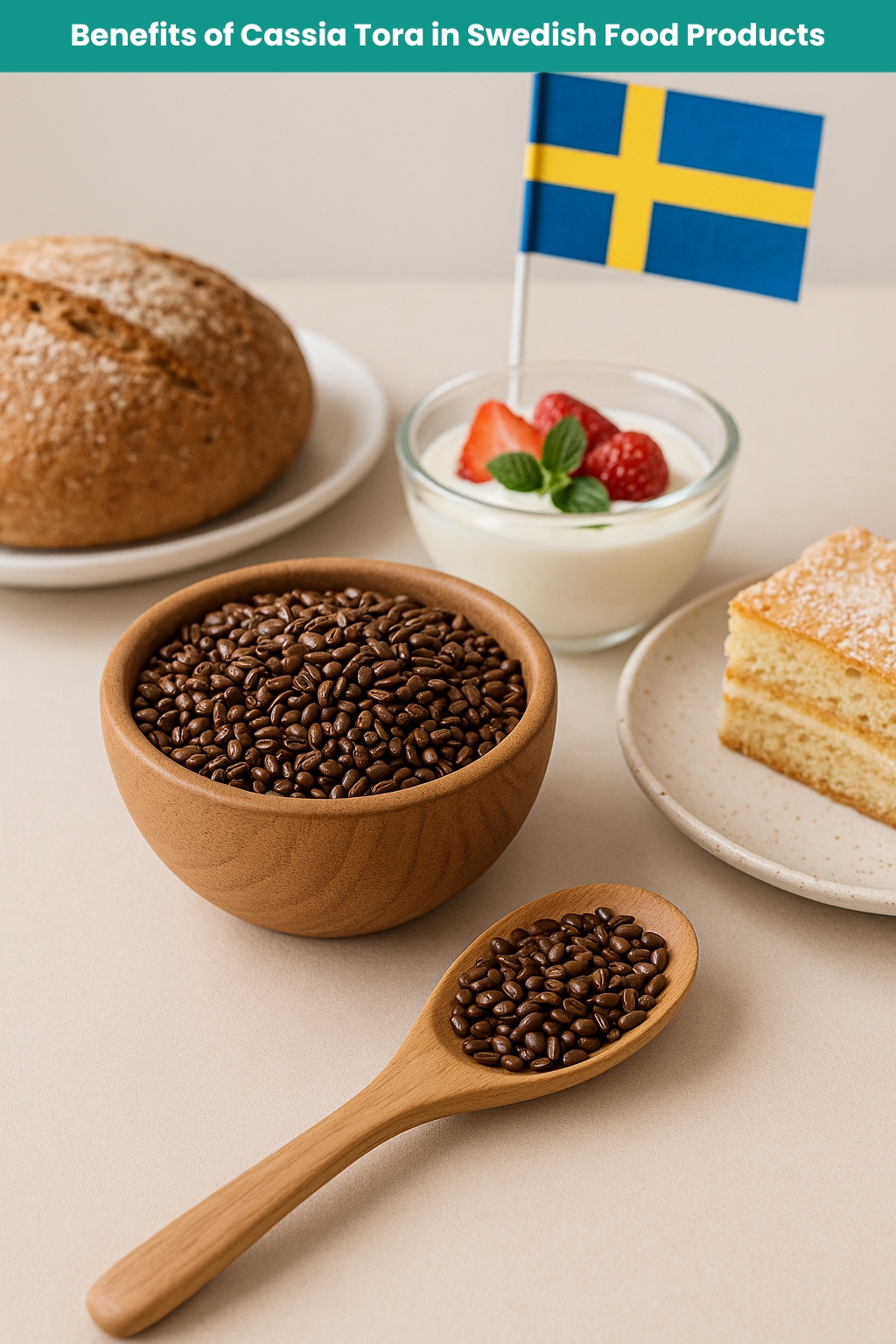
Benefits of Cassia Tora in Swedish Food Products

What are the Market Opportunities for Cassia Tora in Sweden?

Export Potential in Global Markets

Sweden’s food industry is highly regarded for its innovation and quality and its products enjoy strong demand in international markets. As global consumers increasingly prioritize natural and plant-based ingredients, the export potential for Cassia Tora-based products is significant. Swedish food manufacturers can capitalize on this opportunity by developing food products that feature Cassia Tora as a key ingredient. Whether in confectionery, beverages or ready-to-eat meals, Cassia Tora Gum is poised to play a central role in expanding Sweden’s presence in the global market for natural food products.

Innovation in Product Development

Sweden’s food manufacturers are recognized for their ability to innovate and Cassia Tora offers them the opportunity to push the boundaries of food product development. The versatility of Cassia Tora Powder means that it can be used in a wide array of food applications, ranging from plant-based desserts and sauces to alcoholic beverages and dairy alternatives. Swedish food companies are already at the forefront of creating unique, high-quality products using Cassia Tora Extract, positioning themselves as leaders in the growing market for natural food ingredients.

What Challenges and Considerations Should Be Addressed for Cassia Tora in Sweden?

Supply Chain Management and Consistency

While the adoption of Cassia Tora Powder presents many benefits, there are challenges that need to be addressed, particularly regarding the supply chain. Ensuring a consistent and high-quality supply of Cassia Tora is essential for meeting the growing demand. The cultivation of Cassia Tora requires specific environmental conditions, which could potentially affect the availability of the ingredient. Swedish food manufacturers must collaborate with reliable suppliers and invest in local cultivation programs to ensure a steady, sustainable supply of Cassia Tora Powder.

Consumer Education and Awareness

As Cassia Tora is still relatively new in certain markets, consumer education is critical to its widespread acceptance. Swedish food manufacturers will need to invest in campaigns that educate both the food industry and consumers about the safety and benefits of using Cassia Tora as a natural food additive. Clear communication about its functional benefits – such as improving texture, enhancing shelf life and being an environmentally friendly option – can help build trust and encourage adoption of Cassia Tora-based products.

Conclusion

Cassia Tora is emerging as the best natural alternative to synthetic gelling agents in Sweden’s food industry, driven by its versatility, sustainability and cost-effectiveness. With a growing demand for clean-label, plant-based and allergen-free food products, Swedish food manufacturers are turning to Cassia Tora Powder to meet both consumer expectations and regulatory requirements. While challenges related to supply chain and consumer awareness exist, the opportunities for Cassia Tora in Sweden’s food market are vast. As manufacturers continue to innovate and develop products using this natural gelling agent, Cassia Tora Extract is set to play a central role in shaping the future of Sweden’s food industry.

Request Bulk Pricing

FAQs on Cassia Tora Powder

What is Cassia Tora Powder?

Cassia Tora is a plant-derived gelling agent used as a natural alternative to synthetic food additives, offering versatility in food applications.

Why is Cassia Tora Powder popular in Sweden’s food industry?

It is a sustainable, cost-effective and multifunctional ingredient that meets the growing demand for plant-based and clean-label food products.

How does Cassia Tora benefit food products?

Cassia Tora enhances texture, improves shelf life and stabilizes mixtures, making it ideal for plant-based and allergen-free foods.

What are the environmental benefits of Cassia Powder?

Cassia Tora is drought-resistant and requires minimal water and land, making it an eco-friendly alternative to synthetic gelling agents.

What challenges does Cassia Tora face in Sweden?

Supply chain consistency and consumer awareness are challenges that need to be addressed for wider adoption of Cassia Tora in the Swedish market.

<< 1 >>


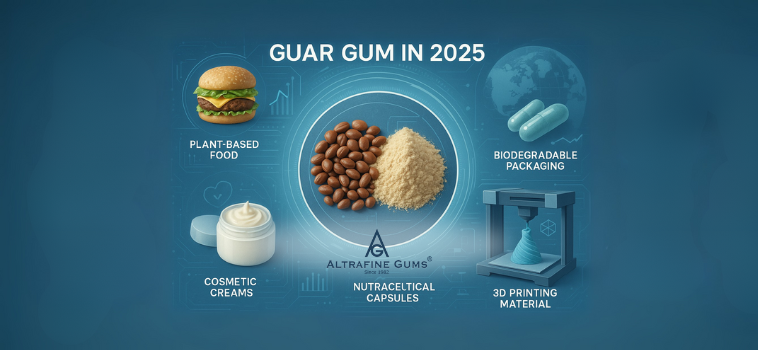
Guar-Gum-in-2025

Guar gum has been a vital ingredient in various industries for decades. Derived from the seeds of the Cyamopsis tetragonoloba plant, this versatile polysaccharide has traditionally served as a thickening, gelling and stabilizing agent in food, pharmaceuticals, cosmetics and oil extraction. The traditional uses of guar gum powder include enhancing the texture of processed foods, serving as an emulsifier in lotions and shampoos and acting as a binder in the pharmaceutical industry.

However, 2025 marks a critical turning point for the guar gum industry. This year is expected to witness a shift in demand and application, driven by sustainability concerns, technological advancements and a broader focus on clean-label products. The expanding interest in plant-based ingredients, coupled with an increasing push for environmentally-friendly alternatives, is propelling guar gum into new territories. In this article, we will explore emerging trends, innovative applications and the shifts occurring in the global guar gum market, with a particular focus on the key drivers expected to define its future.

Request Bulk Pricing

1. Why is Guar Gum Production and Demand Shifting in 2025?

Shift Toward Organic and Sustainably Sourced Guar

One of the primary drivers of change in the guar gum manufacturing process is the global push toward sustainability. As consumers become more eco-conscious, they are demanding natural and organic products across various industries, especially food and personal care. Guar gum, with its natural origin, is well-positioned to meet this demand.

In 2025, we will see a significant increase in the production of organic guar gum. Farmers, particularly in India – where the majority of guar gum is cultivated – are increasingly adopting sustainable agricultural practices. This shift includes using fewer chemical fertilizers and pesticides, promoting crop rotation and implementing water-efficient irrigation techniques. As organic certification becomes more widespread, guar meal (a byproduct of guar gum processing) will also gain traction as a sustainable livestock feed, further increasing the crop’s value chain.

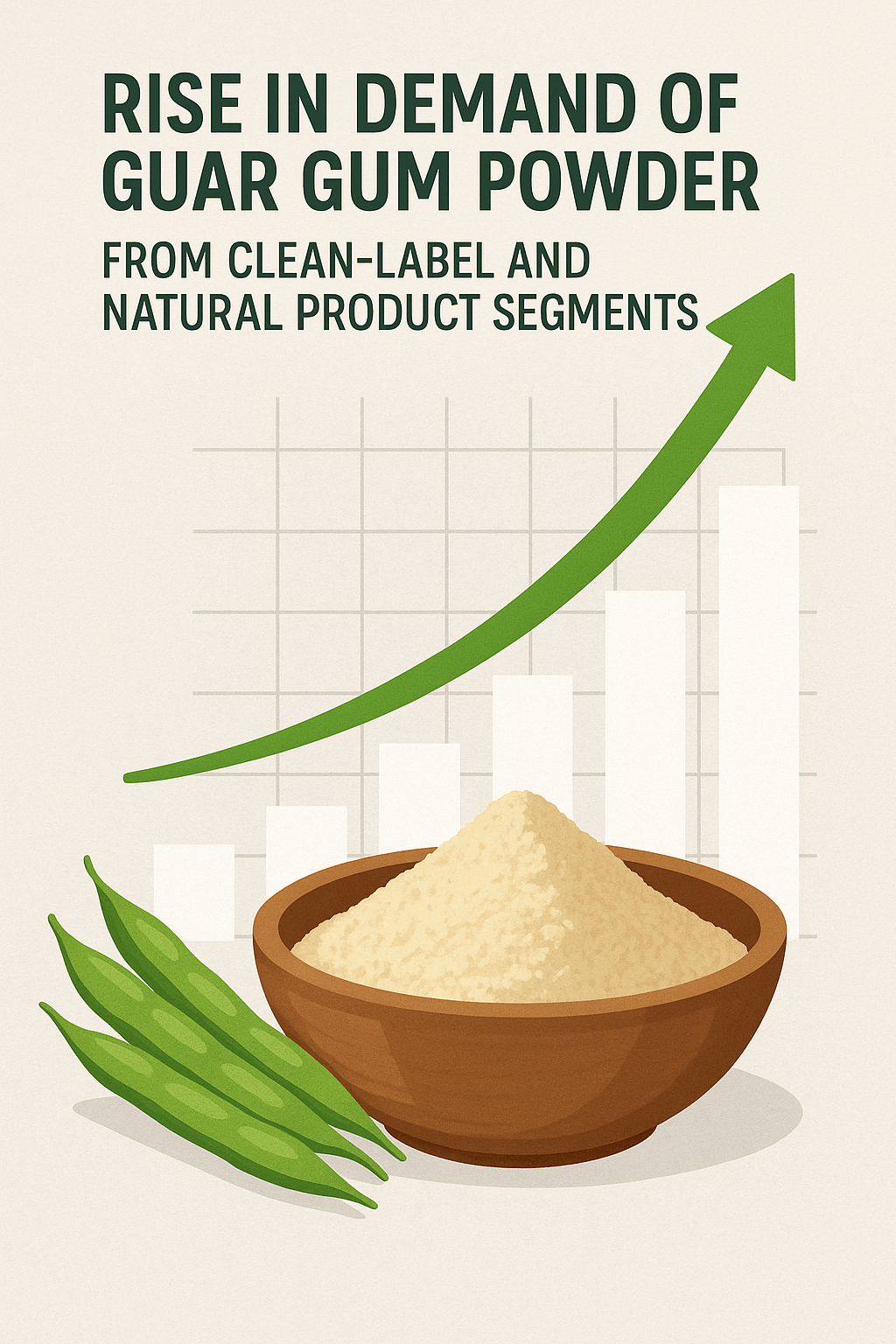
Rise in Demand from Clean-Label and Natural Product Segments

Consumers are becoming more mindful of the ingredients in the products they purchase, driving the demand for clean-label items. Guar gum, as a natural, plant-based ingredient, is well-suited to this growing preference for transparency in product formulations. As part of the clean-label movement, guar gum is increasingly being used in food products like sauces, dressings, dairy alternatives and gluten-free goods to provide texture and stability.

In personal care and cosmetics, guar gum powder applications are expanding. It serves as an emulsifier in lotions, creams and hair care products, allowing manufacturers to position their products as natural and free of synthetic chemicals. As a result, guar gum benefits are attracting attention across multiple sectors that prioritize sustainability and transparency.

Rising Demand of Guar Gum Powder

Impact of Climate-Resilient Agriculture on Guar Cultivation

Guar cultivation is heavily dependent on environmental conditions, particularly water availability. In recent years, climate change has posed a significant challenge to farmers, making it difficult to sustain consistent production levels. However, climate-resilient agriculture practices are emerging as a solution. Advances in seed development, irrigation techniques and soil management are helping farmers adapt to changing climatic conditions.

Guar, a drought-tolerant plant, is increasingly being cultivated in semi-arid regions where water is scarce. With its ability to thrive in harsh conditions, guar is becoming a critical crop in areas affected by water stress. These climate-resilient practices will help ensure a steady supply of guar gum powder and guar churi even as global environmental conditions fluctuate.

2. What Are the Innovative Applications of Guar Gum Beyond Traditional Uses in 2025?

Bioplastics and Biodegradable Packaging

With the growing awareness of the environmental impact of plastic waste, the demand for sustainable packaging solutions is on the rise. Guar gum is gaining popularity as a key ingredient in the creation of bioplastics and biodegradable packaging. Its ability to form gels and films makes it an ideal candidate for use in products that break down naturally in the environment.

In 2025, we expect to see significant growth in the use of guar-based bioplastics in packaging applications across industries, from food to pharmaceuticals. Manufacturers are exploring guar powder applications to replace traditional petroleum-based plastics, helping to reduce the environmental footprint of packaging materials.

Plant-Based Food and Meat Alternatives

The plant-based food sector continues to grow at an unprecedented rate and guar gum is increasingly becoming a vital ingredient in this space. Guar gum powder applications in plant-based food products are expanding due to its ability to enhance texture, moisture retention and overall mouthfeel. Whether it’s used in vegan burgers, meatballs or dairy alternatives, guar gum helps replicate the texture and binding properties of meat, providing a better consumer experience.

In 2025, the demand for guar gum uses in plant-based meat alternatives is expected to rise, driven by both consumer preference for plant-based diets and the growing number of companies investing in plant protein products. Guar gum will help brands deliver the consistency and texture that consumers expect from meat substitutes.

Use in Cosmetics, Nutraceuticals and 3D Printing Gels

Guar gum has long been a staple ingredient in cosmetics, but its use is expanding into new areas in 2025. In cosmetics and personal care, guar gum powder is primarily used as a thickener, emulsifier and stabilizer in products such as shampoos, body lotions and toothpaste. However, its versatility is being further explored in nutraceuticals, where it is gaining recognition for its prebiotic properties that support gut health.

Another exciting application of guar gum is in 3D printing. The increasing adoption of 3D printing technologies across industries like healthcare and manufacturing has created new opportunities for guar gum. As a biocompatible material, guar gum is being utilized in the creation of 3D printing gels for printing medical devices, implants and even human tissues.

3. When Will Technological Advancements in Guar Gum Processing and Customization Impact the Industry?

Development of Modified and Fast-Hydrating Guar Variants

Technological advancements in guar gum processing are set to revolutionize the industry in 2025. One of the key innovations is the development of modified guar gum variants, such as fast-hydrating guar gum. These new variants have been engineered to dissolve more quickly and efficiently in water, reducing processing time and improving the overall quality of the end product.

For instance, guar powder that hydrates rapidly is a valuable asset in the food processing industry, where quick and easy incorporation into formulations is essential. This innovation will benefit industries such as beverage production, where time-sensitive production cycles demand fast-dissolving ingredients.

Use of Automation in Processing and Quality Control

Automation is making waves in the guar gum manufacturing process, enabling companies to streamline production and improve efficiency. The use of automated systems for processing, quality control and packaging is allowing manufacturers to meet the increasing demand for guar gum while maintaining high standards of product quality. AI-driven technologies are being used to monitor consistency, reduce human error and scale production to meet global needs.

In 2025, automation is expected to be integrated across the guar gum supply chain, from seed cultivation to final product delivery. This will help mitigate the risks of supply chain disruptions and ensure that guar gum is produced at the scale required by industries like food, pharmaceuticals and textiles.

4. Where Are the Key Regional Growth Hotspots for Guar Gum in 2025?

Growth in Europe (Food, Pet Care)

Europe has become a hotspot for guar gum powder applications, especially in food and pet care. The demand for natural organic ingredients in food products is booming and guar gum’s ability to provide texture, consistency and stability makes it an ideal solution. In the pet care market, the demand for guar churi as a binder and stabilizer in pet food formulations is also increasing.

USA (Oil & Gas Revival)

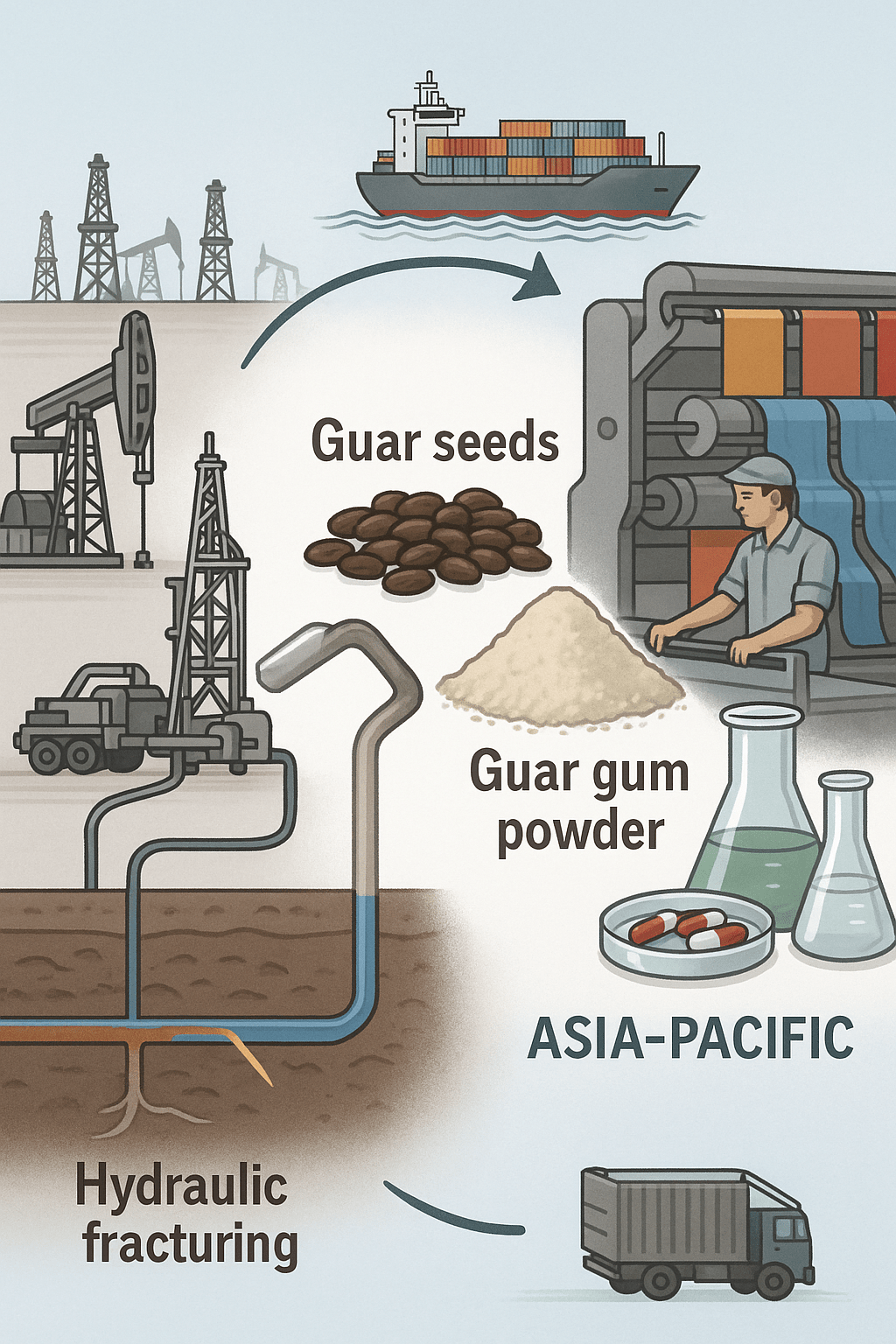
The United States remains one of the largest consumers of guar gum, primarily due to its use in the oil and gas industry for hydraulic fracturing (fracking). The revival of oil exploration and extraction activities, particularly in shale regions, will continue to drive demand for guar gum powder as a key ingredient in fracking fluid. With the oil and gas market showing signs of growth, guar gum suppliers will be keen to meet the rising demand from this sector.

Asia-Pacific (Textile & Pharma)

Asia-Pacific will emerge as a significant growth region for guar gum, particularly in textiles and pharmaceuticals. The textile industry’s increasing use of guar gum as a sizing agent and the growing pharmaceutical sector’s use of guar gum powder as a binder and disintegrant in tablet formulations, will drive demand. India’s continued role as the dominant supplier of guar gum further enhances the region’s significance in the global market.

Guar Gum Powder Supplier in USA Asia Pacific

5. What Are the Key Challenges and Opportunities for Guar Gum in 2025 and Beyond?

Supply Chain Vulnerabilities and Regulatory Changes

While the guar gum price remains volatile, the industry faces challenges related to supply chain vulnerabilities, including climate-related disruptions and geopolitical factors. Companies will need to address these challenges by exploring vertical integration, diversifying suppliers and ensuring compliance with changing regulations.

Opportunities in R&D and Product Diversification

On the upside, there are significant opportunities in R&D and product diversification. The exploration of new applications, including in bioplastics and 3D printing, presents exciting growth potential. Additionally, guar gum benefits as a sustainable, plant-based alternative will continue to attract attention from eco-conscious consumers and manufacturers alike.

Buy Guar Gum Direct from Manufacturer

6. Conclusion: Strategic Outlook in the Guar Gum Industry

As we approach 2025, the guar gum industry is poised for significant transformation. The combination of sustainable farming practices, technological innovations and expanding applications across diverse sectors presents new opportunities for growth. To succeed, businesses must embrace innovation, adapt to changing market demands and be proactive in addressing challenges related to supply chain stability and pricing volatility. By focusing on these key areas, companies can position themselves for long-term success in the evolving global market.

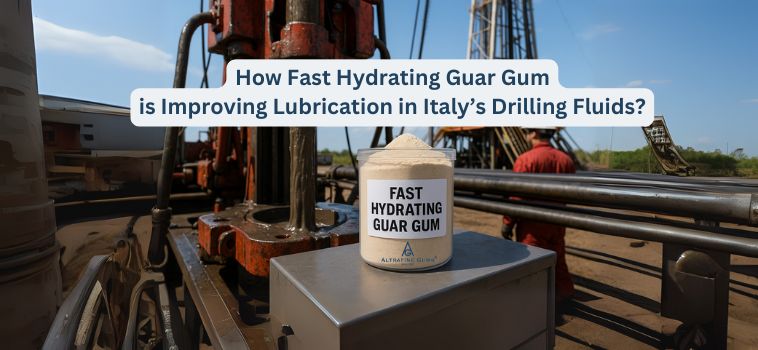
How Fast Hydrating Guar Gum is Improving Lubrication in Italy’s Drilling Fluids?

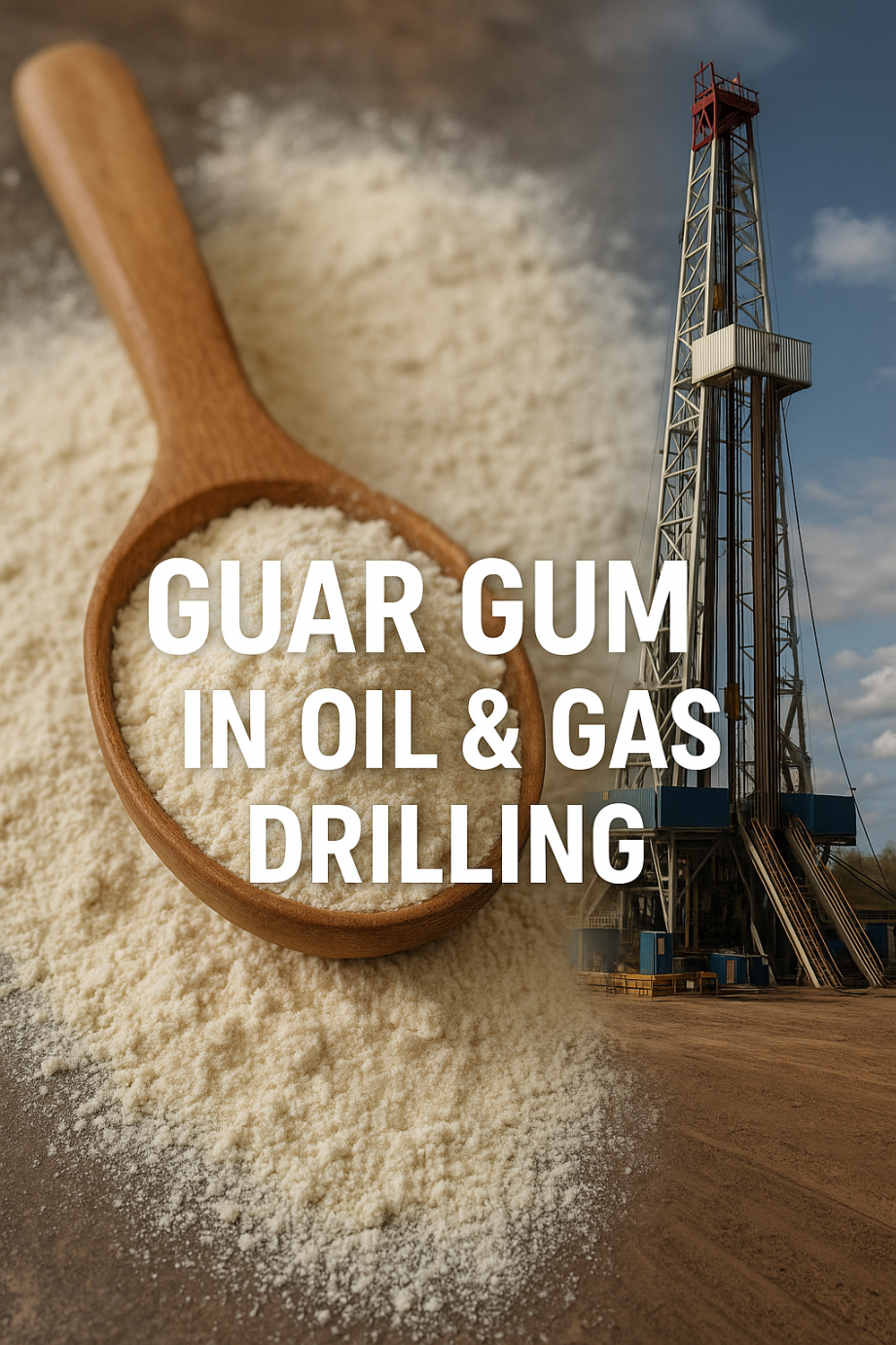
Fast Hydrating Guar Gum (FHG) is revolutionizing the oil and gas drilling industry, particularly in Italy, where challenging drilling environments demand efficient solutions. Known for its rapid hydration and high viscosity development, FHG is increasingly used to improve lubrication in drilling fluids. It enhances efficiency, reduces friction and minimizes equipment wear, making it an essential component for drilling operations in regions like Sicily, the Po Valley and the Adriatic Sea. With its quick response time and environmentally friendly properties, FHG is gaining traction as a sustainable alternative to traditional drilling lubricants. This article explores the growing role of FHG in Italy’s oil and gas sector, highlighting its benefits and future potential.

Get Reliable Supply for Your Industry

Why is Effective Lubrication Critical in Italy’s Drilling Operations?

Lubrication plays a pivotal role in drilling operations, particularly in regions with challenging conditions like Italy. Whether it’s onshore drilling in the Po Valley, offshore drilling in the Adriatic Sea or in the more rugged terrains of Sicily, ensuring smooth and efficient operations is crucial. Drilling fluids, often called muds, require effective lubrication to reduce friction between the drill bit and the wellbore, improve the overall drilling efficiency and prevent costly wear and tear on equipment.

The challenges faced by drilling projects in Italy are multifaceted. In regions such as Sicily, where the terrain is often rocky and hard, maintaining consistent lubrication is key to overcoming high torque and friction. In the Po Valley, which is known for its shallow gas reservoirs, drilling fluids need to be highly effective in preventing friction and minimizing the risk of blowouts. Additionally, offshore drilling in the Adriatic Sea introduces unique challenges due to deep water conditions and temperature fluctuations. In these environments, fast hydrating guar gum powder has emerged as an essential component of the drilling fluid formula, providing enhanced lubrication and stability, even under the most challenging conditions.

What Is Fast Hydrating Guar Gum (FHG)?

Definition and Molecular Structure

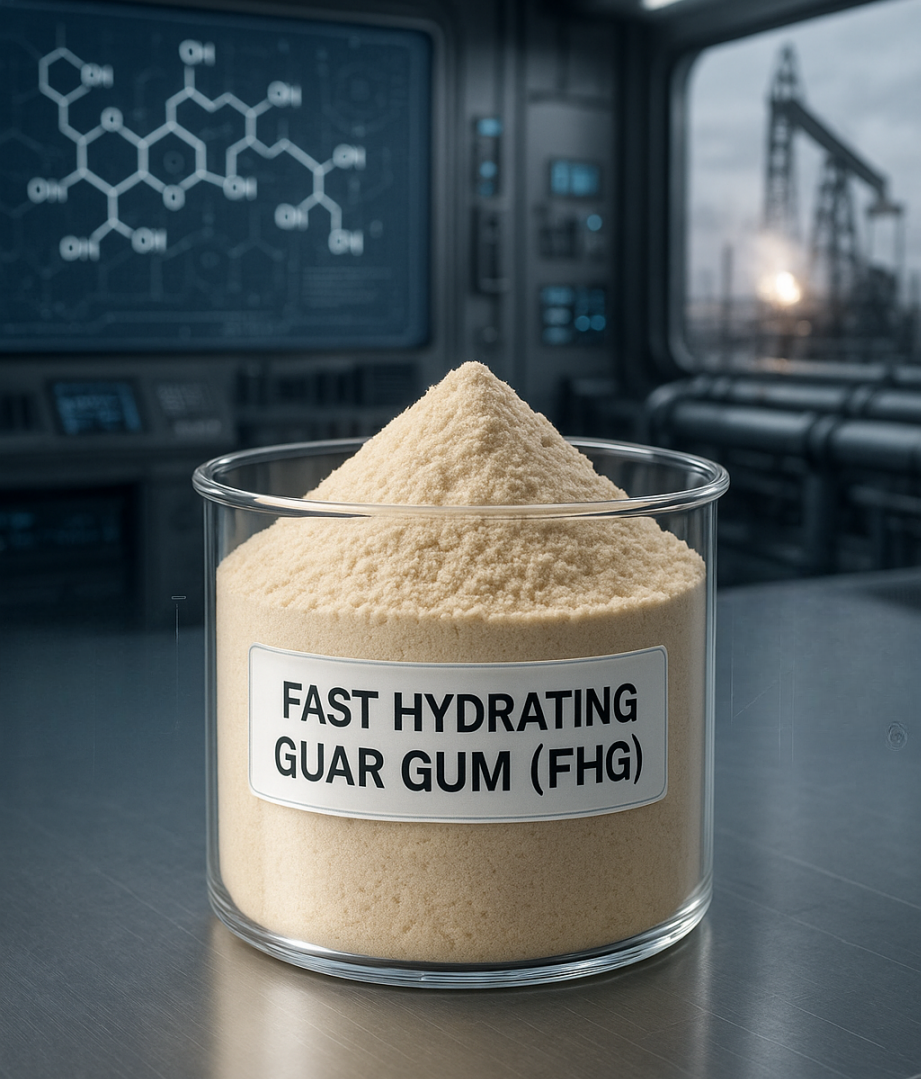
Fast Hydrating Guar Gum (FHG) is a modified form of traditional guar gum, a natural polysaccharide derived from the seeds of the guar plant. It has a unique molecular structure that enables it to hydrate much faster than conventional guar gum. While traditional guar gum requires several hours to fully hydrate in water, fast hydration guar gum can absorb water rapidly and begin to function almost immediately, making it an ideal candidate for high-pressure, high-temperature environments such as oilfields.

This rapid hydration property is crucial for applications in the oil and gas sector, where time and efficiency are critical. The molecular structure of fast hydrating guar gum powder is engineered to enhance its interaction with water, allowing it to form a gel quickly and provide superior viscosity and lubrication. This quick response time is especially important for drilling operations, where the timely and efficient performance of drilling fluids is necessary to prevent operational delays and equipment damage.

Fast Hydrating Guar Gum (FHG)

Why Does It Hydrate Faster Than Conventional Guar Gum?

The faster hydration of fast hydration guar gum is due to its modified molecular configuration. The modification involves adjusting the polymer’s chain structure to reduce its molecular weight and enhance its ability to absorb water rapidly. This allows fast hydration guar gum slurry to develop a thick, viscous solution much quicker than standard guar gum. The quick response is especially beneficial in scenarios where immediate viscosity development is necessary, such as during wellbore cleaning or in areas with fluctuating temperatures.

How Does Fast Hydrating Guar Gum Enhance Drilling Lubrication?

Rapid Viscosity Development and Hydration in Cold Temperatures

One of the most significant advantages of fast hydration guar gum is its ability to develop viscosity rapidly in cold temperatures. In Italy’s northern regions, where winter temperatures can affect drilling operations, high viscosity fast hydration guar gum proves invaluable. Its ability to perform in low temperatures without a delay in viscosity development makes it an excellent choice for drilling fluids used in colder climates.

Moreover, the fast hydration guar gum applications in drilling fluids enhance their performance by enabling quick viscosity buildup. This rapid development ensures that drilling fluids can begin to lubricate and reduce friction immediately, improving the speed and efficiency of the drilling process. This is crucial in minimizing downtime, reducing costs and increasing productivity.

Reduction of Friction and Torque in Horizontal and Directional Drilling

One of the main challenges in modern drilling operations, especially in horizontal and directional drilling, is the high torque and friction encountered. These factors can cause significant damage to the equipment and slow down the drilling process. Fast hydration guar gum helps to reduce friction between the drill bit and the wellbore, allowing for smoother operations. Its ability to quickly form a stable, viscous slurry helps to lubricate the drilling equipment, reduce wear and prevent the build-up of friction, ensuring that the operation proceeds with minimal interruption.

This is particularly important in Italy’s offshore drilling operations in the Adriatic Sea, where the deep-water drilling environment requires constant lubrication to avoid costly mechanical failures and to improve overall safety. Fast hydration guar gum slurry acts as a vital component in maintaining the necessary lubrication and mitigating the challenges associated with friction and torque.

When Did Italy’s Oil & Gas Sector Start Adopting Fast Hydrating Guar Gum?

Italy’s oil and gas industry has always been keen on adopting innovative technologies to improve drilling efficiency and reduce environmental impact. The adoption of fast hydrating guar gum has gained momentum over the past few years as Italian oilfield service providers look for more efficient, cost-effective and environmentally friendly solutions. The growing recognition of the performance benefits of high viscosity fast hydration guar gum – especially its ability to hydrate rapidly and form stable slurries under challenging conditions – has been a driving force in this shift.

Italian drilling companies have gradually embraced fast hydration guar gum uses as they look for better solutions to reduce friction and torque in operations. Additionally, the growing emphasis on minimizing environmental impact and improving operational efficiency has further accelerated the adoption of fast hydration guar gum powder. Its biodegradability and natural origin make it an attractive option for companies committed to cleaner drilling technologies.

Where Are the Key Advantages of Fast Hydrating Guar Gum Over Conventional Lubricants?

Biodegradability and Reduced Environmental Impact

One of the most compelling advantages of fast hydration guar gum is its biodegradability, making it a more environmentally friendly option compared to synthetic drilling lubricants. In the context of Italy’s drilling operations, which often take place in ecologically sensitive regions such as the Adriatic Sea, the environmental impact of drilling fluids is a critical concern.

Fast hydration guar gum applications are designed to minimize environmental harm, breaking down naturally and reducing the risk of contamination in the surrounding ecosystem.

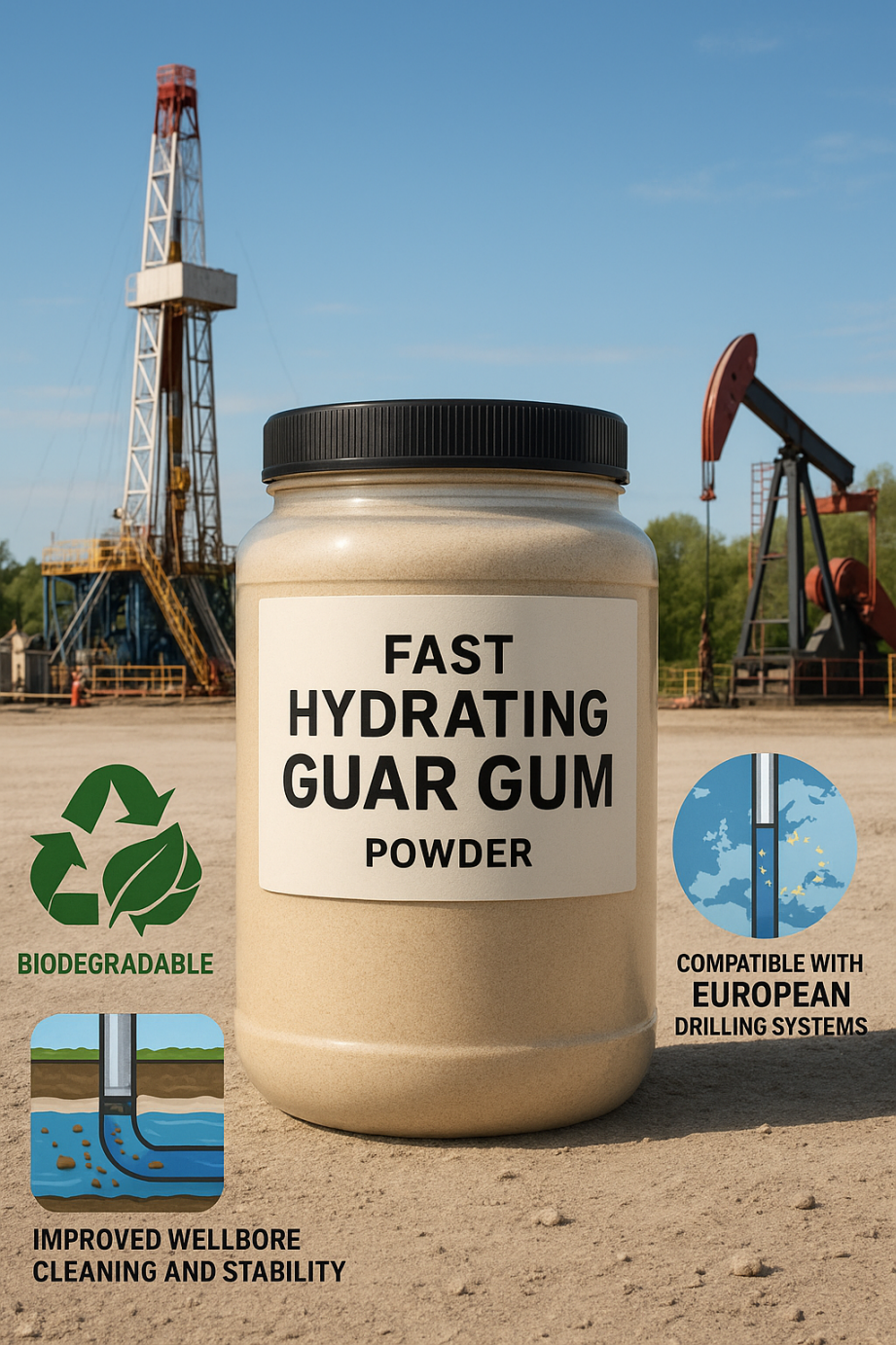
Improved Wellbore Cleaning and Stability

Fast Hydrating Guar Gum also contributes to enhanced wellbore cleaning, a crucial aspect of maintaining a stable and efficient drilling operation. By quickly forming a viscous slurry, fast hydration guar gum powder helps to lift and transport debris and cuttings to the surface, ensuring a cleaner wellbore. This helps in preventing blockages and reduces the risk of equipment failure. In turn, the improved wellbore stability reduces the likelihood of accidents and downtime, leading to more cost-effective drilling operations.

Easy Compatibility with European Drilling Mud Systems

One of the key benefits of fast hydration guar gum slurry is its easy compatibility with existing European drilling mud systems. Unlike other complex synthetic additives, fast hydration guar gum can be seamlessly integrated into a variety of drilling mud formulations used across Europe. This flexibility allows for quick adaptation and makes the transition to more sustainable drilling practices less challenging for oilfield operators in Italy and the broader European market.

Advantages of Fast Hydrating Guar Gum Over Conventional Lubricants

What Is the Future Outlook for Fast Hydrating Guar Gum in Italy and Europe?

Expected Increase in Adoption Across Europe’s Drilling Markets

Looking ahead, the adoption of fast hydrating guar gum in Italy is expected to continue growing, with an increasing number of drilling operators across Europe incorporating it into their fluid systems. As demand for sustainable, high-performance lubricants grows, fast hydration guar gum uses are likely to expand, further reducing reliance on traditional, synthetic drilling additives. This transition to greener alternatives aligns with the broader trend of eco-conscious drilling practices that have gained traction in the European oil and gas industry.

Role in Advancing Cleaner and More Efficient Drilling Technologies

In addition to its rapid hydration properties, fast hydration guar gum is part of the larger shift toward cleaner and more efficient drilling technologies in Europe. As regulatory pressures and environmental concerns continue to rise, Italian and European oilfields are leaning toward more sustainable solutions. Fast hydration guar gum powder plays a key role in this shift, offering an environmentally responsible alternative to traditional lubricants and enhancing the overall drilling process. This trend toward greener, more efficient drilling practices will likely accelerate the adoption of fast hydrating guar gum in Italy and throughout Europe in the years to come.

Request Bulk Pricing

Conclusion

As drilling operations in Italy face increasing challenges due to terrain, climate and environmental concerns, fast hydrating guar gum is emerging as a game-changer. With its ability to hydrate quickly, reduce friction and improve lubrication in both onshore and offshore projects, it is rapidly becoming a key component in Italy’s oil and gas industry. As more drilling companies adopt this innovative solution, the future of Italy’s drilling sector looks cleaner, more efficient and more sustainable.

FAQs About Fast Hydrating Guar Gum

What is Fast Hydrating Guar Gum?

Fast Hydrating Guar Gum is a modified guar gum that hydrates quickly, making it ideal for oilfield applications requiring rapid viscosity development.

Why is Fast Hydrating Guar Gum used in drilling?

It reduces friction and torque in drilling operations, providing smoother, more efficient drilling, especially in challenging conditions.

How does Fast Hydrating Guar Gum benefit the environment?

It is biodegradable, offering a more eco-friendly alternative to synthetic lubricants in drilling fluids.

Can Fast Hydrating Guar Gum perform in cold temperatures?

Yes, it quickly develops viscosity even in cold temperatures, ensuring consistent performance in harsh conditions.

What is the future of Fast Hydrating Guar Gum in Italy?

The adoption of Fast Hydrating Guar Gum is expected to grow, driven by the demand for cleaner, more efficient drilling solutions in Italy's oil and gas industry.

<< 1 >>


Why Cassia Gum Powder (1f499) is Widely Used in Europe’s Wet Pet Food Industry?

Cassia Gum Powder (1f499), derived from the seeds of the Cassia tora plant, is gaining increasing attention in the European pet food industry. Known for its thickening, gelling and stabilizing properties, this natural ingredient is especially valuable in wet pet food formulations. As the pet food industry in Europe continues to prioritize high-quality and safe ingredients, the inclusion of food-grade Cassia Gum has become a preferred option.

Cassia Tora Gum is commonly used in various industries, but its application in the pet food sector has particularly grown due to its ability to enhance texture, stabilize formulations and contribute to smoother textures. Approved for use in Europe, Cassia Gum Powder (1f499) meets stringent safety regulations, ensuring that pet food manufacturers can safely use it in their products.

Buy Cassia Gum Direct from Manufacturer

How Does Cassia Gum Powder Enhance Wet Pet Food Formulations?

Cassia Gum Powder plays a crucial role in improving the overall quality of wet pet food by providing essential thickening, gelling and stabilizing properties. Let’s explore how it contributes to better product formulations.

Thickening and Gelling Properties

Cassia Gum Powder is a versatile ingredient for thickening and gelling wet pet food. Its ability to create a desirable, thick texture helps prevent products from becoming too runny or watery, which can affect the food’s appeal to both pets and pet owners. The Cassia Gum Powder benefits in wet food formulations are most noticeable when it helps create a gel-like consistency, simulating the natural textures of meat-based products. This not only improves the look and feel of the food but also enhances its palatability.

Stabilizing Properties

In addition to thickening and gelling, Cassia Gum in pet food acts as a stabilizer, ensuring that the formulation remains uniform and doesn’t separate over time. Wet pet food, being high in moisture content, can often face issues with ingredient separation. Cassia Gum Powder binds water molecules effectively, maintaining a stable mixture that doesn’t break down during storage or use. This contributes to longer shelf life and overall better product quality.

Why is Cassia Gum Powder Safe and Approved for Use in Pet Foods in Europe?

As an ingredient in pet food, Cassia Gum Powder undergoes rigorous testing and regulatory processes to ensure it meets safety standards. The European Union has specific guidelines in place for substances used in pet food and Cassia Gum Powder complies fully with these regulations.

EFSA Approval and Usage Limits

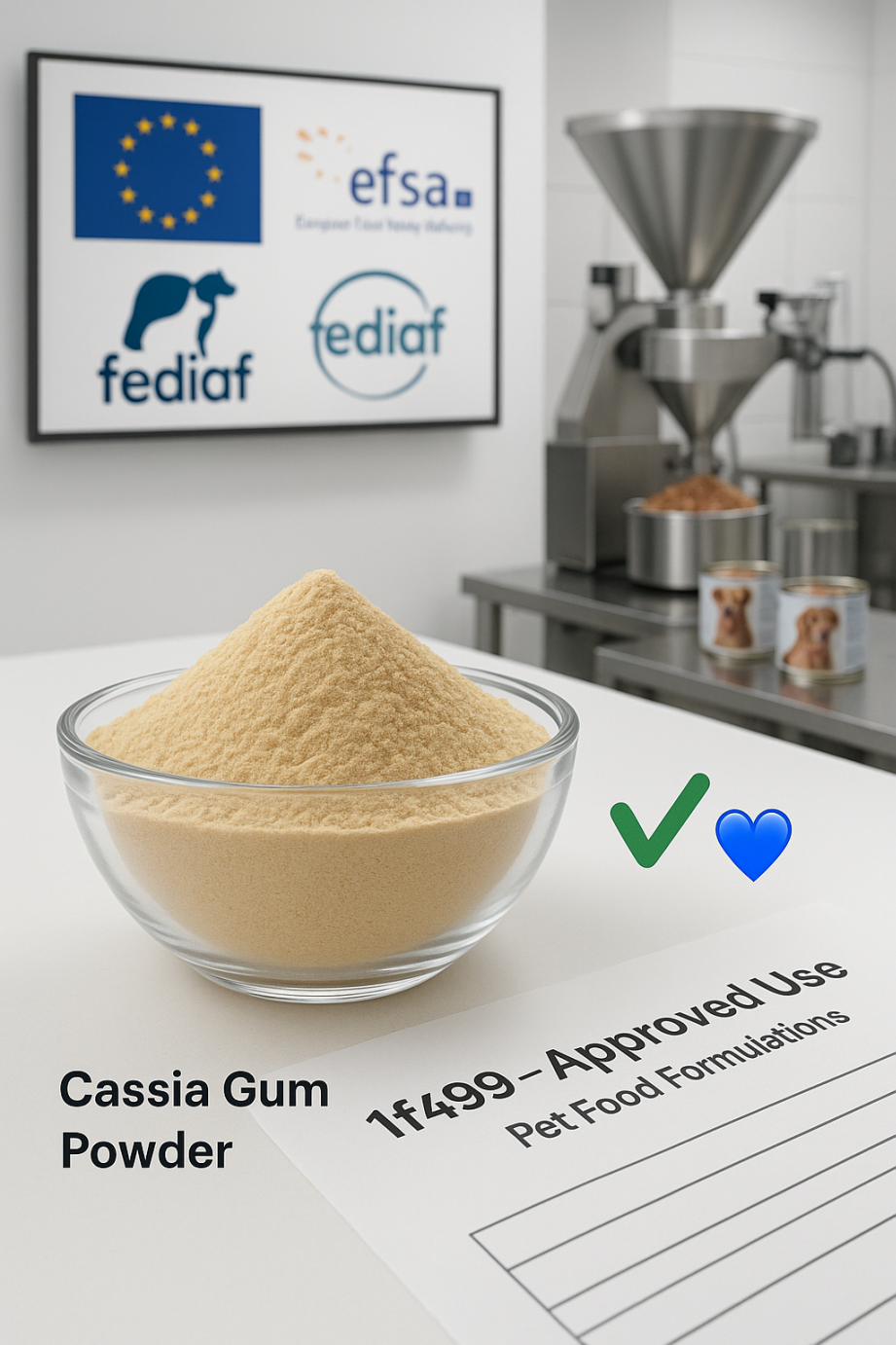
The European Food Safety Authority (EFSA) has evaluated Cassia Gum Powder and granted approval for its use in pet food. With its classification as 1f499, Cassia Gum is considered safe when used within the specified limits. EFSA has set precise guidelines for the maximum concentration of Cassia Gum Powder allowed in pet food products, ensuring its safety for long-term consumption by pets.

Compliance with Pet Food Safety Standards

Not only is Cassia Gum Powder (1f499) approved by EFSA, but it also complies with broader pet food safety standards. The European Pet Food Industry Federation (FEDIAF) requires that ingredients meet high standards of nutritional value and safety and Cassia Gum Powder meets these expectations. Its approval assures pet food manufacturers that it is a safe and effective ingredient to include in their products.

Cassia Gum Powder Safe and Approved for Use in Pet Foods in Europe

How Does Cassia Gum Powder Interact with Other Hydrocolloids?

In wet pet food formulations, Cassia Gum Powder is often used in combination with other hydrocolloids such as carrageenan and xanthan gum. This combination enhances the overall stability and texture of the pet food, providing a more desirable product.

Synergistic Effects with Carrageenan

Carrageenan, a natural gelling agent, works synergistically with Cassia Powder to improve the gelling and thickening effects in pet food formulations. The combination results in an even more stable gel with better texture, which is particularly important in meat-based pet food products. The synergistic effect ensures that the product maintains its desired texture while also improving the overall stability of the formulation.

Improved Formulation Stability with Xanthan Gum

Xanthan gum, another popular hydrocolloid, is often used in combination with Cassia Gum Powder to improve viscosity and stabilize formulations. When these two ingredients are used together, they enhance each other’s properties, providing a more stable texture. The result is a smoother, more uniform consistency in wet pet food, which helps prevent separation and ensures that the product retains its quality over time.

What Benefits Does Cassia Gum Powder Provide to Pet Food Manufacturers?

Cassia Gum Powder (1f499) provides a wide range of advantages to pet food manufacturers, making it a valuable addition to wet pet food formulations.

Clean Label Appeal and Natural Origin

Pet food manufacturers today are increasingly responding to consumer demand for clean labels, meaning products with simple and recognizable ingredients. Cassia Gum Powder, being derived from the natural Cassia tora plant, fits this trend perfectly. Its natural origin gives it a clean label appeal that resonates with consumers looking for transparent ingredients in the pet food they purchase. By using food grade Cassia Gum, manufacturers can market their products as containing a natural, plant-based ingredient, which is a strong selling point in the market.

Cost-Effectiveness and Production Efficiency

Another significant benefit of Cassia Gum Powder is its cost-effectiveness. As a multifunctional ingredient, it can serve as a thickener, stabilizer and gelling agent all in one. This reduces the need for multiple other additives, streamlining the production process. In turn, this helps manufacturers reduce costs, making Cassia Gum Powder an attractive option for those looking to optimize their formulations while maintaining high product quality. The Cassia Gum Powder benefits also extend to production efficiency, as its versatile nature can simplify the ingredient sourcing and manufacturing process.

Where is the Growing Demand for Cassia Gum Powder in the European Pet Food Market?

As European consumers become more aware of the ingredients in pet food, there is an increasing demand for high-quality, natural and functional ingredients like Cassia Gum.

Shift Toward Premium, Natural Ingredients

There has been a significant shift in the European pet food market toward premium, natural ingredients. Pet owners are becoming more conscious about the food they give their pets and they prefer pet food products that are free from artificial additives. Cassia Gum Powder fits perfectly into this trend, as it is a natural ingredient that helps improve the texture and consistency of pet food. Its clean label appeal makes it a popular choice among manufacturers aiming to meet consumer preferences for natural, wholesome ingredients.

Consumer Preference for High-Quality Pet Nutrition

The growing focus on high-quality nutrition for pets has driven demand for pet food products that provide better texture, nutritional balance and overall quality. Cassia Powder is increasingly recognized for its ability to enhance the texture of wet pet food, helping manufacturers meet the expectations of pet owners who seek superior pet nutrition. Its versatility and natural origin make it an essential ingredient for those looking to create high-quality pet food products that align with consumer preferences.

Request Bulk Pricing

Conclusion

Cassia Gum Powder (1f499) plays an important role in the European wet pet food industry, offering functional benefits such as thickening, gelling and stabilizing. As a Food Grade Cassia Gum, it meets all necessary regulatory standards, ensuring both safety and effectiveness in pet food formulations. Its ability to enhance the texture, consistency and overall quality of wet pet food makes it a valuable ingredient in creating high-quality products that meet growing consumer demand for natural ingredients.

By incorporating Cassia Gum Powder into pet food formulations, manufacturers can optimize product texture and stability while also catering to the increasing demand for clean label and premium pet food options. As the European pet food market continues to evolve, Cassia Powder will remain a key ingredient in shaping the future of high-quality wet pet food.

FAQs About Cassia Gum Powder

What is Cassia Gum Powder (1f499)?

Cassia Gum Powder (1f499) is a natural ingredient derived from the seeds of the Cassia tora plant. It is used in wet pet food formulations for its thickening, gelling and stabilizing properties.

Why is Cassia Gum Powder used in wet pet food?

It enhances the texture and consistency of wet pet food by thickening and stabilizing the product, preventing separation and ensuring a smooth, appealing texture.

Is Cassia Gum Powder safe for pet food?

Yes, Cassia Gum Powder has been approved by the European Food Safety Authority (EFSA) for use in pet food and it complies with all safety standards set by the EU.

What are the benefits of using Cassia Gum Powder in pet food?

It provides a clean label option, enhances texture and stability, reduces the need for multiple additives and is a cost-effective ingredient for pet food manufacturers.

How does Cassia Gum Powder interact with other hydrocolloids?

Cassia Gum Powder works synergistically with other hydrocolloids like carrageenan and xanthan gum to improve gelling, thickening and stability in pet food formulations.

<< 1 >>


How Guar Gum Powder Controls Moisture Migration in Processed Foods?

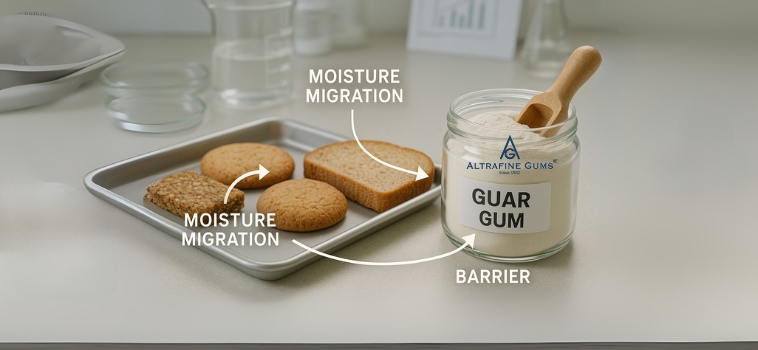
Moisture migration in processed foods refers to the movement of water from one part of the food to another, which can drastically affect the product’s quality and shelf life. This movement of moisture can occur due to various factors like temperature fluctuations, humidity and the natural composition of the food. In processed foods, moisture migration leads to issues like sogginess, drying or hardening, which can significantly compromise texture, taste and consumer satisfaction.

The causes of moisture migration are primarily physical in nature, often caused by the food’s ability to absorb or release water in response to environmental conditions. When moisture moves from high to low moisture content areas, it can lead to negative impacts such as the formation of a soggy product or the drying out of foods that were meant to retain moisture.

The effects of moisture migration on processed foods include:

  • Texture Degradation: As moisture migrates, it can change the texture of the product, making it either too dry or too moist, which compromises the original feel and bite of the food.
  • Reduced Shelf Life: Increased moisture can lead to microbial growth, which shortens the product’s shelf life, while excessive dryness may cause products to lose their appeal.
  • Quality Issues: The overall quality of the food product deteriorates, impacting both the appearance and consumer satisfaction.

With these challenges, controlling moisture migration becomes essential in ensuring product consistency and consumer satisfaction over time.

Buy Guar Gum Direct from Manufacturer

Overview of Guar Gum Powder

Guar gum powder is a natural hydrocolloid derived from the endosperm of the guar bean, a legume primarily grown in arid regions of India and Pakistan. Guar gum has been widely recognized in the food industry due to its functional properties that contribute to the stability and quality of various food products.

Source and Composition of Guar Gum

The guar bean consists of three main components: endosperm, germ and husk. The endosperm, which contains the polysaccharide galactomannan, is the primary source of guar gum powder. Guar gum has a high molecular weight, making it highly effective in forming gels and acting as a thickener in food applications. It is primarily composed of galactose and mannose units, which are connected in a linear chain. This molecular structure allows guar gum to interact with water molecules and form highly viscous solutions, which is crucial for moisture control.

Functional Properties in Food Applications

Guar gum powder is widely used for its thickening, gelling and water-binding properties. In food, it helps improve texture, stabilize emulsions and prevent the separation of ingredients. Its ability to retain moisture makes it particularly valuable in controlling moisture migration in various food formulations.

  • Thickening Agent: Guar gum can increase the viscosity of liquids, making it ideal for sauces, dressings and soups.
  • Water Binder: Guar gum has an exceptional ability to bind water, which makes it effective in preventing moisture migration in food products.
  • Stabilizing Agent: Guar gum helps maintain the stability of emulsions, preventing the separation of oil and water phases in food products like salad dressings and mayonnaise.

These functional properties make guar gum an essential ingredient in a variety of processed foods, particularly in applications where moisture retention and consistency are crucial.

Functional Properties in Food Applications

Mechanism of Moisture Control by Guar Gum

Guar gum controls moisture migration in processed foods through its water-binding capacity, the formation of moisture barriers and its viscosity enhancement properties. The combination of these factors allows guar gum to maintain the desired texture and prevent moisture-related issues such as sogginess or dryness.

Water-Binding Capacity

Guar gum’s molecular structure allows it to bind large amounts of water through hydrogen bonding. This water-binding ability is essential in food applications because it ensures that moisture is retained within the food product and doesn’t migrate uncontrollably. By interacting with water molecules, guar gum forms a gel-like network, trapping moisture within the food matrix and preventing it from migrating to unwanted areas.

Formation of Moisture Barriers

In addition to binding water, Guar Gum Powder forms a protective moisture barrier on the surface of foods. This barrier reduces moisture loss, preserving the product’s texture and preventing the absorption of moisture from the environment. For example, in frozen foods, guar gum can prevent the formation of ice crystals that can lead to texture degradation and sogginess upon thawing.

Viscosity Enhancement and Gel Formation

Guar gum’s ability to increase the viscosity of food products enhances the overall texture and stability of processed foods. It forms gels when combined with water and this gel structure plays a crucial role in controlling moisture migration. The thicker consistency prevents excessive moisture movement, ensuring that the product remains in optimal condition during storage and handling.

Applications of Guar Gum in Moisture-Sensitive Processed Foods

Guar powder is widely utilized in various moisture-sensitive food products due to its ability to control moisture migration and maintain texture stability. Here are some examples of food applications where guar gum plays a significant role:

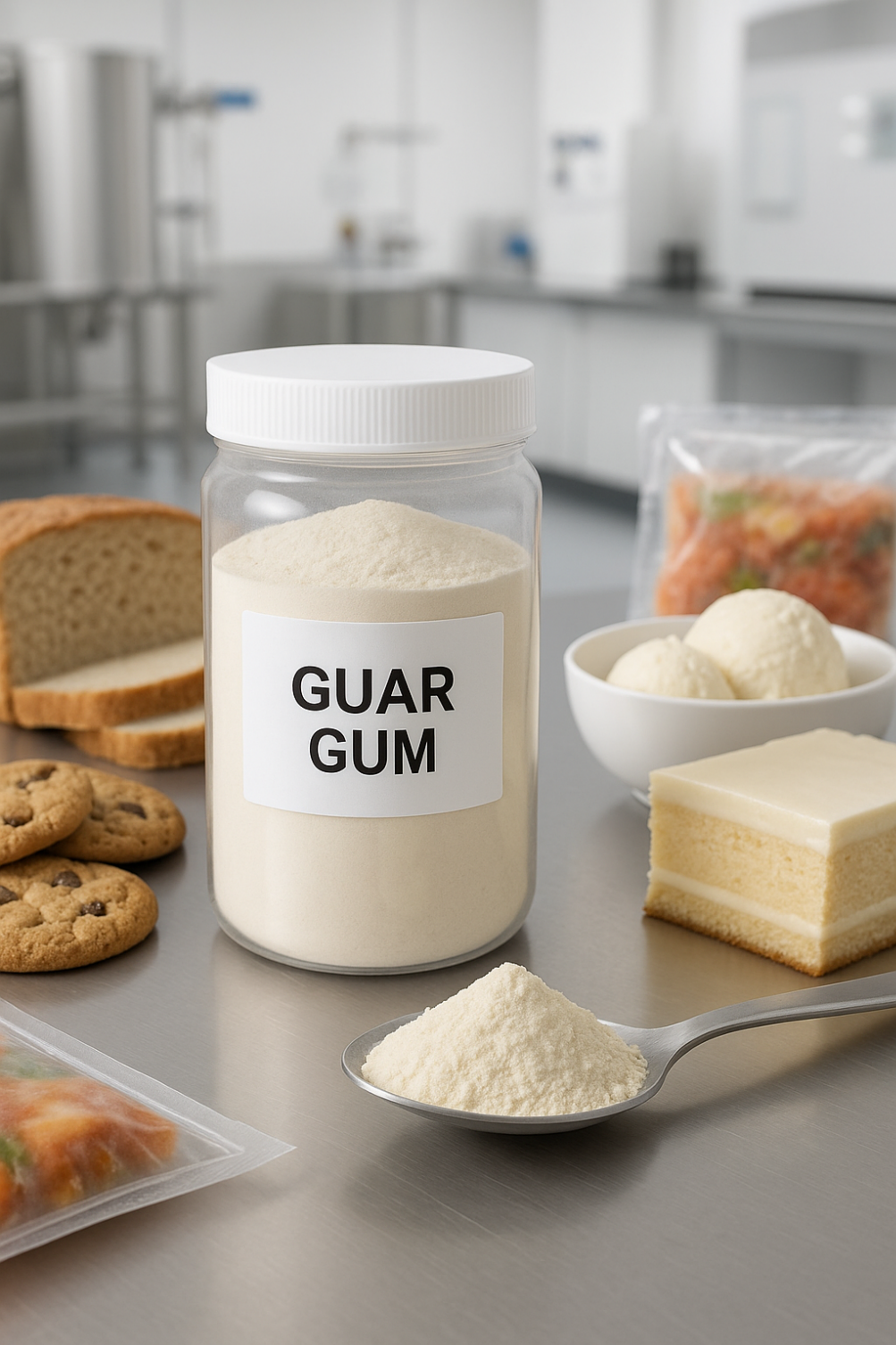
Baked Goods (Cakes, Cookies, Breads)

In baked goods, moisture migration can cause products to become either too dry or too soggy, impacting the final texture and mouthfeel. Guar gum powder helps maintain moisture balance by binding water, ensuring that the product retains its softness without becoming overly moist or dry.

  • Cakes: Guar gum helps maintain moisture in cakes, preventing them from drying out and extending their shelf life.
  • Cookies: By binding moisture, guar gum helps cookies retain their crisp texture without becoming overly hard.
  • Breads: In bread products, guar gum contributes to moisture retention, resulting in a more consistent crumb texture and improved shelf life.

Frozen Foods

Frozen foods are highly susceptible to moisture migration due to temperature fluctuations during storage and thawing. Guar korma helps form a moisture barrier that prevents the loss of moisture during freezing and protects the texture of the food when it is thawed.

  • Ice Cream: Guar gum is widely used in ice cream formulations to prevent ice crystal formation, ensuring smoothness and creaminess.
  • Frozen Meals: For ready-to-eat frozen meals, guar gum helps maintain the consistency and texture, preventing the food from becoming too watery or soggy after reheating.

Dairy-Based Desserts and Ice Creams

In dairy-based desserts and ice creams, moisture control is critical to maintaining the desired texture. Guar gum powder acts as a stabilizer, preventing ice crystals from forming and ensuring a smooth, creamy texture. It also prevents the separation of water from other ingredients in frozen dairy products.

Ready-to-Eat Meals and Snacks

Ready-to-eat meals and snacks often face challenges related to moisture migration, which can lead to the loss of flavor and texture. Guar gum helps prevent excessive moisture loss or gain in these products, ensuring that they maintain their quality during storage.

Applications of Guar Gum in Moisture-Sensitive Processed Foods

Comparison with Other Hydrocolloids

While guar gum is highly effective in controlling moisture migration, it is important to compare it with other hydrocolloids such as xanthan gum and locust bean gum. These alternatives may offer similar functions but have different properties and applications.

Guar Gum vs. Xanthan Gum

Both guar gum and xanthan gum are used for their thickening and water-binding properties. However, guar gum has a higher water-binding capacity compared to xanthan gum, which makes it more effective in preventing moisture migration in foods. Additionally, guar gum is often more cost-effective, making it a preferred choice for large-scale food applications.

Guar Gum vs. Locust Bean Gum

Locust bean gum is another hydrocolloid used in food applications, often for its gelling properties. While both guar gum and locust bean gum can improve the texture of processed foods, guar churi is generally more efficient in controlling moisture migration due to its superior water-binding capacity.

Impact on Shelf Life and Texture Stability

One of the main reasons guar gum is widely used in processed foods is its ability to extend shelf life and maintain texture stability. By controlling moisture migration, guar gum helps prevent the product from becoming too soggy or dry, which can significantly affect the sensory qualities of the food.

Prevention of Sogginess or Dryness

For products like cakes, cookies and snacks, moisture migration can lead to sogginess or dryness, making them less enjoyable to consumers. Guar gum prevents these issues by maintaining the ideal moisture balance, ensuring that the texture remains consistent throughout the product’s shelf life.

Maintenance of Product Consistency

Food grade guar gum contributes to maintaining the consistency of processed foods, whether in terms of viscosity, texture or appearance. It helps food products maintain their form and function, providing a better consumer experience from start to finish.

Request Bulk Pricing

Dosage and Usage Considerations in Formulation

To achieve the desired effects of moisture control in food products, it is important to use the correct dosage of guar gum powder. The amount of guar gum required will depend on the specific application and desired product characteristics.

Recommended Concentrations

Typically, guar gum is used in concentrations of the total formulation, depending on the food product. Higher concentrations may be needed in more moisture-sensitive products like frozen foods and dairy desserts.

Blending with Other Ingredients

Guar gum can also be blended with other hydrocolloids or ingredients to enhance its moisture control properties. For instance, combining guar gum with xanthan gum may provide synergistic effects, improving texture and moisture retention further.

Conclusion

In summary, guar gum powder plays a critical role in controlling moisture migration in processed foods, contributing to product stability, texture and shelf life. By binding water, forming moisture barriers and enhancing viscosity, guar gum helps ensure that food products remain in optimal condition from production through to consumption. As the food industry continues to evolve, the applications of guar gum are likely to expand, providing further innovations in food preservation and quality control.

FAQs About Guar Gum Powder

What is the primary function of guar gum in processed foods?

Guar gum primarily functions as a water-binding agent, helping to prevent moisture migration in processed foods, which improves texture and extends shelf life.

Can guar gum help in preventing sogginess in baked goods?

Yes, guar gum helps retain moisture in baked goods, preventing them from becoming soggy or overly dry, thus maintaining their desired texture.

How does guar gum compare to xanthan gum in food applications?

Guar gum has a higher water-binding capacity than xanthan gum, making it more effective in controlling moisture migration, especially in moisture-sensitive foods.

What is the recommended dosage of guar gum in food formulations?

Guar gum is typically used in concentrations ranging from 0.1% to 1.0%, depending on the food product and the desired moisture control effect.

Is guar gum safe for consumption in food products?

Yes, guar gum is recognized as safe for consumption when used within the recommended limits in food products. It is commonly used in a wide range of food applications, including baked goods, dairy and frozen foods.

<< 1 >>


The global market for cassia gum has witnessed a significant surge in demand over the past few years, owing to its versatile applications in various industries. Derived from the seeds of the Cassia tora plant, cassia gum powder is known for its unique properties as a gelling, thickening and stabilizing agent. These characteristics make it an essential ingredient in the food industry and pet food applications. As industries increasingly recognize the functional benefits, the global demand for this product continues to grow. This article delves into the current trends, industrial applications and emerging opportunities in the market, with a particular focus on its use as a food grade cassia gum powder and its expanding role in pet food production.

Overview of the Global Demand for Cassia Gum

The global demand for cassia gum powder is primarily driven by the food industry and pet food manufacturing, where its functional properties as a thickener and gelling agent have been widely recognized. The growing need for high-quality and consistent food products, combined with the expanding pet food market, have contribute to the rise in cassia gum consumption.

Request Bulk Pricing

Key Markets and Industries Driving Demand for Cassia Gum Worldwide

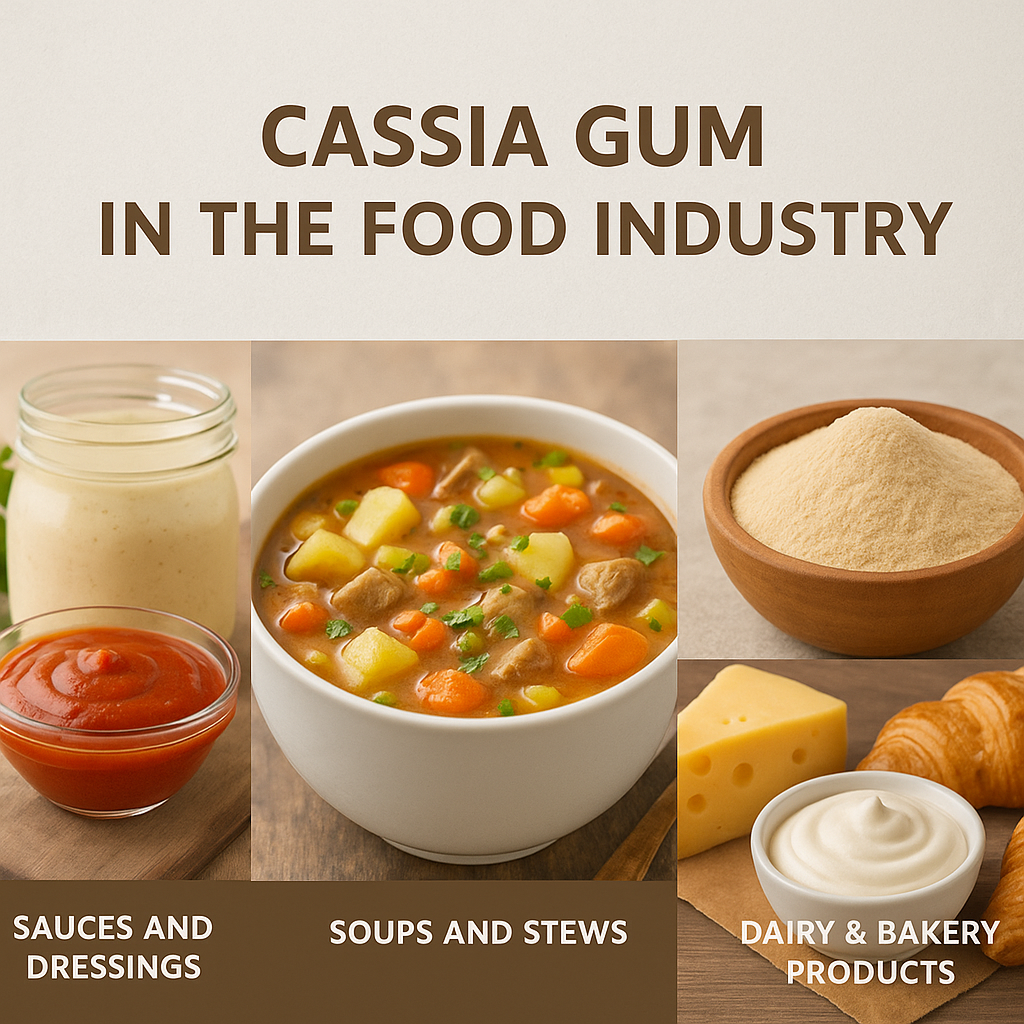
Cassia gum is increasingly used in the food industry, where it plays a crucial role in improving the texture and stability of various products. Its applications in sauces, soups, dairy, bakery goods and convenience foods are driving demand. Additionally, as consumers continue to seek food products with natural ingredients, cassia gum’s plant-based origins make it an attractive choice for food manufacturers. In pet food production, it is used as a gelling agent in wet food formulations, helping to create smooth and consistent textures that appeal to pets. Apart from the food and pet food sectors, cassia gum is gaining traction in other industrial sectors where its stabilizing and thickening properties are valued.

Current Market Trends in Europe, Asia and the Americas

  • Europe:

In Europe, the demand for cassia powder is increasing due to the shift toward natural and plant-based food ingredients. The regulatory environment in Europe places a strong emphasis on food safety and cassia gum’s status as an approved food additive under the E427 cassia gum has contributed to its growing adoption. The demand for cassia gum powder in the food industry is expanding, with its role as a thickener and stabilizer being particularly valued in gluten-free food products and processed foods.

  • Asia:

Asia, particularly countries like India and China, is experiencing significant growth in the demand for cassia gum powder. In these regions, the increasing consumption of processed foods are key drivers. Cassia powder is increasingly used in soups, sauces, dairy and bakery products, where it helps improve texture and consistency. The expanding pet food market in Asia, with the rising awareness of natural ingredients, is also contributing to the increased use of cassia gum in pet food formulations.

  • America:

In the Americas, particularly the United States, the demand for cassia tora gum powder is rising as more manufacturers look for natural alternatives to synthetic additives. Its use in the food industry, particularly in salad dressings, sauces and soups, is growing. Moreover, the pet food industry is increasingly turning to E427 cassia gum as a natural gelling agent for wet food products, further driving demand in North America.

Applications of Cassia Gum Across Different Industries

Cassia gum’s versatility as a thickening, stabilizing and gelling agent allows it to serve a wide range of applications across various industries. In the food and pet food sectors, it is primarily valued for its ability to enhance the texture and consistency of products.

Cassia Gum in the Food Industry

In the food industry, food-grade cassia gum powder is commonly used as a gelling agent and thickener. Its ability to improve texture and stabilize food products makes it a valuable ingredient in:

  • Sauces and Dressings: Cassia gum ensures a uniform texture and consistency in sauces and salad dressings, preventing phase separation and providing a smooth, stable product.
  • Soups and Stews: By thickening liquid-based products, cassia gum powder contributes to a satisfying texture in soups and stews, improving mouthfeel and overall quality.
  • Dairy Products: Cassia gum enhances the texture and stability of dairy products, such as yogurt, ice cream and milk substitutes, by preventing the separation of ingredients and improving shelf life.
  • Bakery Goods: It is also used in bakery applications to enhance dough consistency, improve the texture of gluten-free baked goods and extend the shelf life of finished products.
Cassia Gum Powder in Food Industry

In these food applications, cassia gum’s ability to form stable emulsions, thicken liquids and improve product consistency is what makes it an indispensable ingredient.

Cassia Gum in the Pet Food Industry

Cassia gum powder is also widely used in the pet food industry, especially in wet pet food formulations. As a gelling agent, cassia gum helps create a smooth, consistent texture, which enhances the overall appeal of the product. Key applications include:

  • Wet Pet Foods: Cassia tora gum powder is utilized to create the desired texture and viscosity in moist pet foods, helping to prevent separation of ingredients and ensuring uniformity in the product.
  • Pet Food Consistency: It plays a role in maintaining the quality and consistency of pet food products, particularly in refrigerated or canned pet food where gelling properties are essential for texture.
Cassia Gum Powder in Pet Food Industry

By improving texture and consistency, refined cassia gum contributes to the overall quality and palatability of pet foods, making it a preferred choice, to meet consumer expectations for high-quality, natural pet food.

Versatility of Cassia Gum in Thickening, Stabilizing and Emulsifying

The primary reason for the increasing demand is its versatility. As a thickening agent, cassia powder improves the texture of food and pet food products. As a stabilizer, it prevents the separation of ingredients, ensuring that products remain homogeneous and consistent over time. Additionally, ability to emulsify allows it to improve the stability of emulsions in food products like salad dressings and sauces.

Its unique properties ensure that it performs reliably across a wide range of food formulations. This versatility is one of the key factors driving its adoption across multiple industries, particularly in the food and pet food sectors.

Regulatory Landscape for Cassia Gum Powder in Global Markets

As popularity grows globally, understanding the regulatory frameworks governing its use is essential for manufacturers seeking to ensure compliance and meet market demands.

Approvals and Regulations for Cassia Gum in Major Markets (EU, U.S., Asia)

  • European Union (EU): Cassia gum is classified as E427 in the European Union and is approved for use in food products. The EU has strict regulations governing the use of food additives, ensuring that cassia gum is used safely and effectively in food products.
  • United States: In the U.S., as a widely used thickening and gelling agent in various food products, cassia gum powder must meet the FDA’s food safety standards to ensure that it does not pose any health risks to consumers.
  • Asia: Countries like India and China have established their own regulations for the use of cassia gum in food and pet food. These regulations ensure that it meets both safety and quality standards, allowing it to be used effectively across diverse applications.

Meeting Global Food and Industrial Standards for Cassia Gum

For manufacturers, meeting global food and industrial standards is crucial. Ensuring that cassia gum meets safety, purity and quality standards across different regions allows companies to maintain consumer trust and meet the requirements of various markets. Compliance with international food safety regulations, such as those set by the EU and FDA, ensures that cassia powder is safe and effective when used in food products and pet food.

Opportunities for Growth in Emerging Markets

The demand is expected to rise significantly in emerging markets, where industrialization and urbanization are driving the growth of the food and pet food sectors.

How Rising Demand in Developing Economies is Opening Up Opportunities?

Emerging economies in regions like Southeast Asia, Latin America and Africa are witnessing increasing demand for processed foods and pet food. As disposable incomes rise and consumers seek more convenient food options, role of refined cassia powder as a thickening and gelling agent has become increasingly important.

As urban populations grow and diets change, cassia gum can meet the demand for food products with improved texture and stability. The expanding pet food market in these regions presents further opportunities, particularly as pet owners seek high-quality, consistent and nutritious food for their pets.

Focus on Regions like Southeast Asia and Latin America for Future Expansion

In Southeast Asia, countries like India, Vietnam and Indonesia are seeing increased demand for processed food products, which will drive the need for gelling and thickening agents. Similarly, in Latin America, countries like Brazil and Mexico are experiencing growth in both the food and pet food industries. This provides an opportunity for the producer to expand their presence in these rapidly growing markets.

Innovations in Cassia Gum Applications and Future Prospects

The future looks promising, with ongoing innovations aimed at improving its functionality and expanding its applications across various industries.

New Developments in the Functional Properties of Cassia Gum Powder

As demand for high-performance ingredients increases, ongoing research and development are focused on enhancing the functional properties of cassia gum powder. New developments are aimed at improving its viscosity, solubility and overall performance in different industrial applications, making iteven more versatile and effective.

Buy Cassia Gum Direct from Manufacturer

The Potential for Innovation in Cassia Gum’s Industrial and Food Applications

With the growing preference for natural ingredients, potential for innovation remains high. Continuous advancements in functional properties may open new avenues for its use across diverse applications, ensuring its place as a key ingredient in industrial applications.

Conclusion

The global demand for cassia gum is steadily increasing, driven by its versatile applications in the food and pet food industries. As industries recognize the value of cassia gum in improving texture, stability and product consistency, its adoption continues to grow worldwide. The expanding markets in Europe, Asia and the America, with the potential for innovation in emerging economies, ensure that cassia powder will remain a key player in industrial applications for years to come. As the market continues to evolve, Altrafine Gums, as a leading manufacturer of cassia gum is well-positioned to meet the growing demand for high-quality, natural additives in food and pet food formulations.

Guar Gum in Russia: Supporting the Country’s Expanding Oil & Gas Drilling Operations

Russia’s oil and gas industry continues to expand, with increased exploration and drilling operations aimed at tapping into new reserves. In these drilling processes, especially in hydraulic fracturing (fracking), the use of high-quality guar gum powder has become vital for ensuring efficient operations. Known for its thickening and stabilizing properties, guar gum is a crucial additive in fracking fluids, supporting oil and gas extraction in some of the world’s most challenging geological environments.

The role of guar gum for oil drilling and gas drilling is significant. By enhancing the viscosity of fluids used in the drilling process, guar gum enables the transport of proppants, minimizes fluid loss and maintains optimal pressure in deep wells. This article explores how guar gum contributes to Russia’s growing oil and gas sector, focusing on its performance in harsh conditions, advantages over other additives and its future in the industry.

Call Us for Guar Gum Powder

The Role of Guar Gum in Oil & Gas Drilling

Overview of Guar Gum’s Use in Hydraulic Fracturing (Fracking) Fluids

Hydraulic fracturing (or fracking) is a method widely used in oil and gas extraction to increase the flow of oil or gas from underground reservoirs. One of the key components of guar gum in fracking fluids is a thickening agent, plays an essential role in this process. When mixed with water, guar gum forms a gel-like consistency that increases the viscosity of the fluid, allowing it to carry proppants – small particles like sand or ceramic materials – deep into fractures in the rock. These proppants then help keep the fractures open, ensuring the continued flow of oil or gas.

In Russia’s oilfields, where deep drilling is common, guar gum for oil drilling helps to improve the effectiveness of fracking fluids. The ability to control the viscosity and flow properties of the fluid is critical for successful extraction. Without guar gum, fracking operations would struggle to maintain the necessary pressure and stability required to reach oil and gas deposits deep underground.

Why Guar Gum is Critical for Improving Fluid Viscosity in Drilling Operations

Viscosity plays a crucial role in the effectiveness of drilling fluids, especially in guar gum for hydraulic fracturing. For oil & gas drilling, fluid viscosity directly impacts the efficiency of the fracturing process. Guar gum is widely used because of its remarkable ability to thicken water-based fluids, allowing them to better suspend and carry proppants through the fractures. The right viscosity also ensures that the fluid does not leak excessively into the surrounding rock formations, preserving valuable resources and reducing waste.

Guar gum for gas drilling offers precise control over fluid behavior, making it indispensable in Russian oilfields. It ensures that drilling fluids perform optimally under varying conditions, from shallow drilling operations to deeper, more challenging exploration sites.

Role of Guar Gum in Oil & Gas Drilling

Guar Gum’s Performance in Harsh Russian Geological Conditions

How Guar Gum Performs in High-Pressure and High-Temperature Drilling Environments

Russia’s oil and gas operations often take place in harsh geological environments, including deep reservoirs and areas with high-pressure and high-temperature conditions. Guar gum powder is specifically chosen for its ability to maintain its thickening and stabilizing properties even under extreme conditions.

In high-pressure, high-temperature environments, where traditional drilling fluids may break down or lose effectiveness, guar gum remains stable, helping to maintain the viscosity of the fracking fluid. This stability is crucial for ensuring consistent fluid performance and efficient oil and gas extraction. The ability of guar gum for oil drilling to function effectively in such conditions makes it an ideal choice for Russia’s deep-well drilling projects.

The Benefits of Using Guar Gum for Fluid Loss Control in Deep Drilling Projects

Fluid loss is a common challenge in deep drilling operations. When drilling into reservoirs, there is a risk that the fracking fluid will seep into porous rock formations, reducing the amount of fluid available for the fracking process. Guar gum helps mitigate this issue by acting as a fluid loss control agent, forming a thick gel that reduces the amount of fluid that leaks into surrounding rock. This is particularly beneficial in deep drilling projects where the pressure and temperature conditions are more extreme.

By using guar gum for gas drilling, companies can reduce waste, improve efficiency and ensure that their fluids perform consistently throughout the drilling process, regardless of the conditions. In Russia, where many oil fields are located in remote, challenging environments, guar gum offers a reliable solution for minimizing fluid loss and optimizing extraction processes.

Advantages of Guar Gum Over Other Additives in Oil & Gas

Comparison of Guar Gum with Synthetic Polymers in Oil and Gas Drilling Fluids

In the oil and gas drilling industry, there are various alternatives to guar gum, such as synthetic polymers, used to improve fluid viscosity and stability. However, guar gum powder stands out due to its natural origin and its ability to deliver exceptional performance under extreme drilling conditions.

While synthetic polymers may also provide viscosity-building properties, guar gum has several advantages. It is biodegradable, making it a more environmentally friendly option compared to some synthetic alternatives, which may persist in the environment for longer periods. Guar gum for oil drilling also has the advantage of being more cost-effective, especially for large-scale operations, as it requires less material to achieve the desired viscosity.

Furthermore, guar gum is highly efficient in retaining its thickening properties under high-pressure and high-temperature conditions, which some synthetic polymers may struggle to do.

Biodegradability and Eco-Friendliness of Guar Gum in Oilfield Operations

One of the key reasons guar gums is preferred in oil and gas operations is its biodegradability. Unlike some synthetic additives, guar gum breaks down naturally in the environment, reducing the environmental footprint of drilling operations. This is particularly important as oil and gas companies are increasingly focused on minimizing their impact on surrounding ecosystems.

In Russia, where oil drilling takes place in sensitive environments, using natural guar gum in drilling operations helps mitigate environmental risks. The biodegradability of guar gum makes it a safer option for companies looking to meet environmental standards while still achieving high-performance drilling results.

Advantages of Guar Gum Over Other Additives in Oil & Gas

Environmental Impact and Sustainability in the Oil & Gas Industry

Guar Gum’s Role in Reducing Environmental Risks in Drilling Processes

The oil and gas industry has faced increasing scrutiny over its environmental impact, especially when it comes to fracking and drilling fluids. Guar gum powder plays a key role in reducing some of the risks associated with these operations. Its biodegradability ensures that it does not contribute to long-term pollution of the environment.

By choosing guar gum for oil and gas drilling, companies can improve their environmental performance by using a natural product that is less harmful to surrounding ecosystems. This can help mitigate the environmental risks associated with fracking, including contamination of groundwater or soil.

Sustainable Sourcing and Production Practices in Altrafine Gums

Altrafine Gums, a leader in production of guar gum powder for industrial use, emphasizes sustainable sourcing and production practices. This ensures that guar gum used in oil and gas operations is produced with minimal environmental impact. With a focus on quality and sustainability, drive the responsible use of guar gum in the oil and gas sector, providing a reliable, environmentally friendly solution for hydraulic fracturing.

The Future of Guar Gum in the Russian Oil & Gas Sector

Emerging Opportunities for Guar Gum in Russia’s Expanding Oil and Gas Industry

Russia’s oil and gas sector is expanding rapidly and guar gum will continue to play an essential role in supporting this growth. As drilling operations move deeper and into more challenging geological conditions, the demand for high-quality guar gum for gas drilling will increase. Guar gum powder will be key in ensuring the continued success of these operations by enhancing the viscosity and performance of fracking fluids.

With Russia’s focus on boosting energy production, guar gum is well-positioned to support the country’s growing oil and gas industry, particularly in regions with complex geological formations where high viscosity fluids are essential for efficient extraction.

Innovation and Potential Applications of Guar Gum in Future Energy Exploration

The role of guar gum in the future of energy exploration is expected to expand further as new technologies and techniques are developed. In the Russian oil and gas industry, innovation in drilling and fracking methods will likely increase the need for guar gum to meet new challenges in fluid management. Additionally, as the industry continues to evolve, there may be new applications for high viscosity guar gum for drilling, improving both the performance and environmental sustainability of energy extraction processes.

Email Us for Guar Gum Powder

Conclusion

Guar gum plays a critical role in supporting Russia’s expanding oil and gas drilling operations, particularly in hydraulic fracturing (fracking). Its ability to enhance fluid viscosity, stabilize fracking fluids, and improve fluid loss control makes it an indispensable ingredient in drilling fluids. With the growing demand for guar gum for oil drilling in Russia, it will continue to be vital for operations in high-pressure and high-temperature environments.

Moreover, its biodegradable nature and eco-friendly characteristics make guar gum a sustainable choice for companies seeking to minimize environmental risks in drilling processes. As Russia’s oil and gas industry grows, guar gum powder will remain a key component in the success of the country’s energy exploration efforts.

Guar Gum: Achieving the Perfect Stretch and Consistency in Gluten-Free Pizza Dough

When it comes to baking gluten-free pizza, achieving the right texture and elasticity can be challenging. Traditional pizza dough, made with wheat flour, relies on gluten to provide structure, stretch and consistency. For gluten-free pizza, however, the absence of gluten means that bakers must find alternative ingredients to mimic these qualities. Guar gum powder, is one such ingredient that has gained significant attention for its ability to improve the texture, elasticity and consistency of gluten-free pizza dough.

Guar gum offers various functional benefits, making it an essential ingredient in gluten-free baking. It helps improve the dough’s ability to stretch, hold moisture and maintain a desirable consistency. This article explores how guar gum addresses the challenges of gluten-free pizza dough production and how it contributes to achieving the perfect dough for pizza making.

Challenges of Gluten-Free Pizza Dough Production

Issues with Texture, Elasticity and Consistency in Gluten-Free Pizza Dough

One of the most significant challenges when producing gluten-free pizza dough is replicating the stretch and elasticity that gluten provides in traditional dough. Gluten acts as a natural binder, holding the dough together and allowing it to stretch without breaking. In gluten-free pizza dough, the absence of gluten often leads to a dough that is crumbly, dry or difficult to handle. Additionally, the lack of elasticity can make it challenging to stretch the dough to the desired thinness for a pizza base.

Another issue in gluten-free pizza dough is achieving the right consistency. Without gluten, gluten-free dough tends to be more delicate and often lacks the chewiness or smooth texture that people expect from pizza dough. These challenges can result in dough that is difficult to work with, does not rise well or fails to hold together during baking.

Email Us for Guar Gum Powder

How Guar Gum Addresses These Challenges by Improving Stretch and Texture?

Guar gum is highly effective in solving these problems. As a binding agent, guar gum powder helps hold the ingredients together, improving the dough’s ability to stretch and preventing it from becoming crumbly. It works by absorbing water and forming a gel-like texture that mimics the elasticity of gluten. This allows gluten-free pizza dough to be more workable, stretchable and less prone to tearing.

Additionally, guar gum improves the texture of the dough, providing a smoother, more consistent result. The added viscosity from guar gum for pizza dough helps retain moisture, making the dough more pliable and less likely to dry out during the preparation process. These benefits make guar gum powder an essential ingredient in achieving the desired texture, consistency and stretchability of gluten-free pizza dough.

The Science Behind Guar Gum’s Role in Gluten-Free Dough

Viscosity-Building Properties of Guar Gum in Gluten-Free Formulations

The primary way guar gum works in gluten-free pizza dough is by building viscosity. When mixed with water, guar gum powder forms a thick, gel-like substance that adds structure and texture to the dough. The viscosity created by guar gum powder helps bind the ingredients, ensuring the dough holds together and maintains its shape during stretching and baking.

This viscosity-building ability is especially important in gluten-free pizza dough, as it helps compensate for the absence of gluten. The thickness provided by guar gum makes the dough easier to handle and shape, which is crucial for pizza preparation. Furthermore, the viscosity of the dough contributes to the smooth and even texture that people expect from pizza crust.

How Guar Gum Helps Retain Moisture and Enhances Dough Elasticity?

Another key benefit of guar gum in gluten-free pizza dough is its ability to retain moisture. When added to the dough, guar gum acts as a moisture-retaining agent, preventing the dough from drying out during the mixing and resting processes. This is important because gluten-free dough can often become dry and brittle without adequate moisture retention.

Guar Gum’s Role in Gluten-Free Dough

By retaining moisture, guar gum powder helps improve the elasticity of the dough, making it more stretchable and less prone to breaking. The increased moisture content also helps the dough rise better, leading to a fluffier and more enjoyable pizza crust. As a result, guar gum not only enhances texture but also ensures that the dough remains fresh and flexible, even after baking.

Application of Guar Gum in Gluten-Free Pizza Dough Manufacturing

How Guar Gum is Integrated into Pizza Dough Recipes for Optimal Performance?

In pizza dough, guar gum is typically integrated as part of the dry ingredients during the initial mixing process. It is usually added to the flour blend, which may include rice flour, tapioca flour or other gluten-free flours. When mixed with water, guar gum powder helps improve the dough’s consistency, allowing it to hold together more effectively and making it easier to work with.

The recommended amount of guar gum for gluten-free pizza dough usually varies on the total flour weight, depending on the desired texture and stretchability of the dough. Guar gum should be evenly distributed throughout the flour blend to ensure uniform hydration and consistent dough performance.

The Benefits of Guar Gum in Both Small-Scale and Large-Scale Production

Guar gum is highly versatile and beneficial in both small-scale and large-scale pizza dough production. In small-scale production, such as home baking or artisanal pizza making, guar gum powder allows for more consistent results, especially in recipes that are not as precisely measured. Its ability to improve dough stretch and texture makes it a popular choice for home bakers who want to achieve professional-quality gluten-free pizza crusts.

In large-scale production, guar gum for pizza dough becomes even more crucial. It helps ensure consistency across batches, ensuring that the dough behaves the same way every time, regardless of production volume. Additionally, the use of guar gum in large-scale operations can reduce the need for expensive or complex equipment by simplifying the dough-making process, making it easier for manufacturers to create high-quality gluten-free dough at scale.

Consumer Demand for Gluten-Free Pizza and the Role of Guar Gum

Rising Popularity of Gluten-Free Diets and the Market Demand for Gluten-Free Foods

The demand for gluten-free products, has grown significantly over the past decade, not only due to medical conditions but also because of increasing consumer awareness about gluten sensitivities and health trends. As more people adopt gluten-free diets, the need for high-quality, delicious gluten-free pizza dough has become more pressing.

This growing market presents an opportunity for manufacturers to develop better, more accessible gluten-free pizza options that do not compromise on texture or taste. Guar gum plays a pivotal role in this development by enabling manufacturers to produce dough that meets consumer expectations for stretch, consistency and taste. As a result, guar gum for gluten-free pizza has become a must-have ingredient in meeting this growing demand.

How Guar Gum Contributes to the Growing Gluten-Free Food Trend

As the gluten-free food trend continues to rise, guar gum is playing an increasingly important role in helping manufacturers meet the high standards of quality and texture that consumers expect from gluten-free pizza. By enhancing the elasticity and stretch of the dough, guar gum allows pizza makers to create a more authentic pizza experience for those who require or prefer gluten-free options.

Guar Gum Contributes to the Growing Gluten-Free Food Trend

In addition to improving texture and consistency, guar gum contributes to the overall quality of the pizza, ensuring that the dough is both easy to handle and retains its freshness during storage. As more people turn to gluten-free pizza, guar gum will continue to be a key ingredient in the creation of high-quality, delicious gluten-free pizza crusts.

Best Practices for Using Guar Gum in Gluten-Free Pizza Dough

Recommended Concentrations and Formulations for Consistent Results

To achieve the best results, it’s important to use the correct concentration. Using too much guar gum can result in a dough that is too thick or overly elastic, which can make it difficult to stretch.It’s important to thoroughly mix into the dry ingredients to ensure that it is evenly distributed. This will help achieve uniform hydration and consistency throughout the dough.

Key Considerations in the Dough-Making Process for Pizza Manufacturers

When using guar gum in gluten-free pizza dough, it’s essential to consider the hydration level of the dough. Since guar gum helps retain moisture, it’s important to adjust the water content in the dough recipe to avoid making it too wet. Additionally, the dough should be allowed to rest after mixing to give the time to hydrate fully and achieve its thickening effects.

Manufacturers should also be aware of the rest time during the dough-making process. Allowing the dough to rest helps activate the guar gum, ensuring optimal stretch and consistency. The dough should also be handled gently to prevent it from becoming too tough or sticky.

Call Us for Guar Gum Powder

Conclusion

Altrafine Gums, as a leading manufacturer of Guar Gum is a powerful ingredient in achieving the perfect stretch, consistency and texture in gluten-free pizza dough. Its ability to act as a binding agent and improve elasticity makes it an invaluable addition to gluten-free baking, allowing manufacturers to create high-quality, flexible dough that mimics the characteristics of traditional pizza dough. As the demand for gluten-free products continues to grow, guar gum powder will remain essential in meeting consumer expectations for delicious, well-textured pizza. Whether in small-scale or large-scale production, guar gum is a key player in revolutionizing the gluten-free pizza dough market.