About Ajit Patel

CEO, Altrafine Gums With over Four decades of expertise in the natural gums and hydrocolloids industry, Ajit Patel leads Altrafine Gums, a globally recognized manufacturer and exporter of Guar Gum Powder, Cassia Tora Powder (Cassia Gum Powder) and other Hydrocolloids. Under his visionary leadership, the company has built a strong reputation for quality, innovation, and reliability across the food, feed, pet feed, pharmaceutical, mining, oil drilling and cosmetic sectors. Altrafine Gums has been serving global industries for decades with a focus on sustainable sourcing, research-driven production, and stringent quality control. Its wide product portfolio includes Guar Gum Powder, Cassia Tora Powder (Cassia Gum Powder) and other plant-based hydrocolloids that serve as key functional ingredients in diverse applications. Ajit Patel’s commitment to excellence ensures that every product from Altrafine meets international standards of performance and purity. He is passionate about advancing the global reach of Indian hydrocolloids, fostering customer trust, and promoting eco-friendly, science-backed solutions that enhance product formulation and performance worldwide.
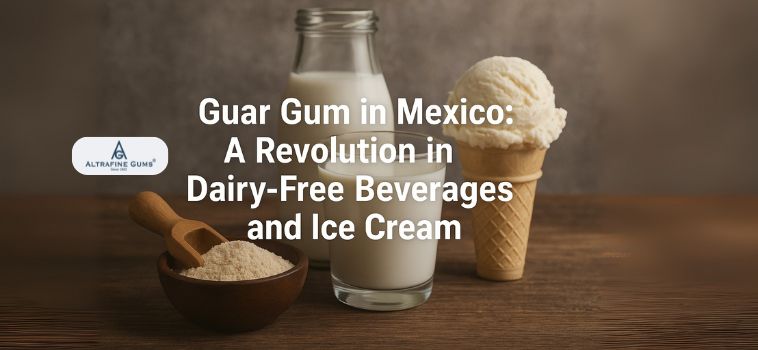
Guar Gum in Mexico: A Revolution in Dairy-Free Beverages and Ice Cream

Mexico’s food and beverage industry is undergoing a transformation, with increasing demand for dairy-free beverages and ice cream products. Driven by growing awareness of lactose intolerance, dietary preferences and health trends, many consumers in Mexico are now opting for plant-based alternatives. As a result, manufacturers are seeking natural and effective ingredients to replicate the texture, creaminess and stability typically found in dairy products. Guar gum powder is stepping in to fill this gap, playing a pivotal role in the formulation of high-quality dairy-free options in Mexico.

Guar gum, a natural hydrocolloid derived from the seeds of the guar plant, offers unique benefits for dairy-free formulations. It improves the texture, mouthfeel and shelf life of plant-based ice cream and beverages, providing an alternative to synthetic stabilizers and thickeners. This article delves into the role of guar gum powder in transforming Mexico’s dairy-free product sector, with a focus on its applications, benefits and future potential.

Email Us for Guar Gum Powder

The Growing Popularity of Dairy-Free Products in Mexico

Rising Demand for Plant-Based and Dairy-Free Beverages and Desserts

The demand for guar gum in Mexico has been rapidly increasing, with consumers seeking alternatives to traditional dairy products due to lactose intolerance, health concerns and changing dietary preferences. Dairy-free beverages such as almond milk, oat milk and coconut milk are gaining popularity among Mexicans as healthier options to cow’s milk. Alongside beverages, dairy-free ice cream has also become a staple in the Mexican market, with plant-based alternatives providing a creamy and indulgent experience without lactose.

This trend is driven by a combination of factors, including greater awareness of health benefits associated with plant-based diets, as well as the rising number of people with lactose intolerance or sensitivities. As more people opt for dairy-free options, the market for these products continues to expand, creating significant opportunities for innovation and the development of high-quality, natural products.

Market Trends and Opportunities for Natural Ingredients Like Guar Gum

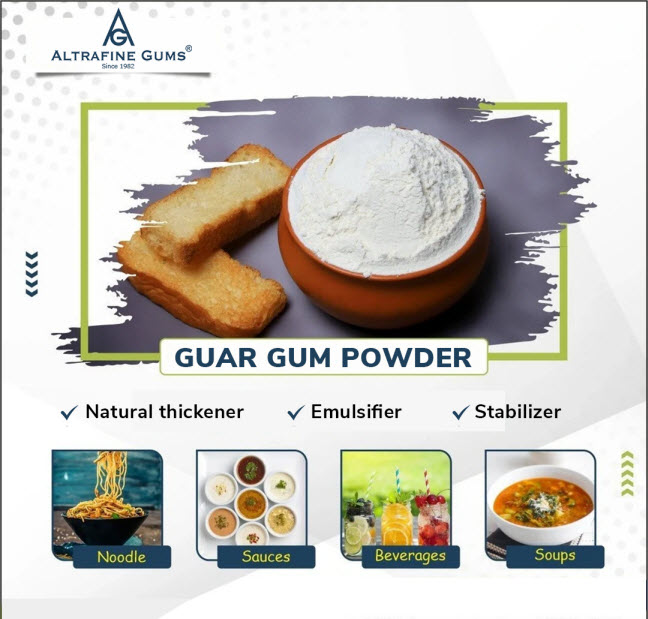
As the demand for dairy-free products rises, there is a clear need for natural ingredients that can effectively replicate the texture, creaminess and stability traditionally provided by dairy. Guar gum powder is one such ingredient gaining traction. It is recognized for its ability to thicken, stabilize and emulsify, making it an essential component in the formulation of dairy-free beverages and ice creams.

In Mexico, where consumers are increasingly seeking products with clean labels and natural ingredients, natural guar gum offers a perfect solution. By using guar gum for dairy-free beverages and ice cream, manufacturers can deliver products that not only meet the texture and mouthfeel expectations of consumers but also align with the growing trend for simpler, natural ingredient lists.
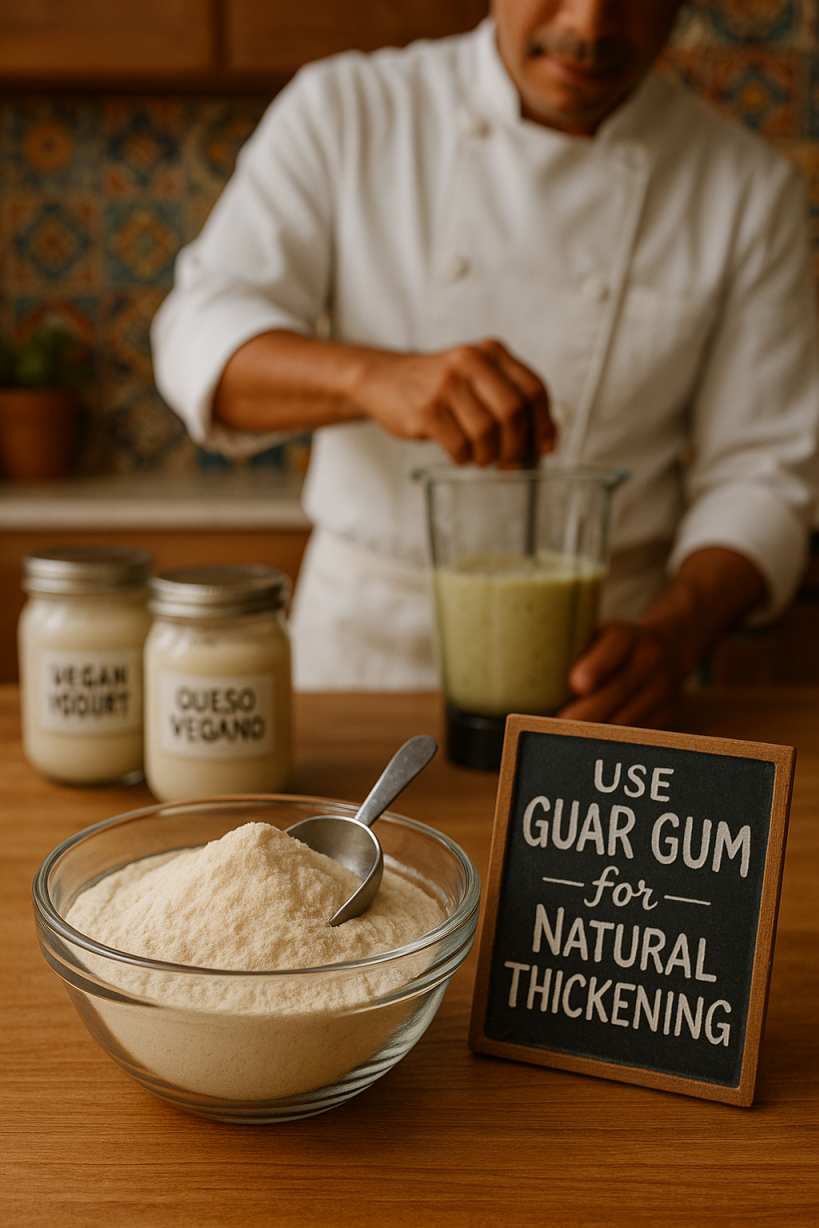
Guar gum in Mexico

The Role of Guar Gum in Dairy-Free Product Formulations

Guar Gum’s Ability to Improve Texture and Creaminess in Dairy Alternatives

One of the key challenges in formulating dairy-free products is achieving the rich, creamy texture that consumers expect from traditional dairy-based options. Guar gum powder plays a critical role in improving the texture of dairy-free beverages and ice cream by increasing viscosity and creating a smoother, creamier mouthfeel. Guar gum helps to bind water molecules, reducing the formation of ice crystals and preventing a grainy or icy texture. This results in a smoother, more indulgent product that closely mimics the experience of dairy ice cream.

For dairy-free beverages, guar gum also contributes to a richer, thicker consistency, making plant-based milks feel more like their dairy counterparts. The ability of guar gum for ice cream to create this creaminess without relying on artificial additives or stabilizers makes it an ideal solution for clean label dairy-free formulations in Mexico.

Functionality in Enhancing the Mouthfeel of Plant-Based Ice Cream and Beverages

The mouthfeel of a product is one of the most important factors influencing consumer preference, particularly in dairy-free products where texture is often a challenge. Guar gum enhances mouthfeel by creating a smoother, more pleasant sensory experience. Guar gum powder helps provide the desired richness and creaminess, improving the overall eating experience. It also helps prevent the separation of water and fat, ensuring a uniform texture throughout the product.

In dairy-free beverages, guar gum works similarly by enhancing the thickness and texture of the liquid, which is particularly important for products like plant-based milk and smoothies. This improves the overall drinking experience, making it more satisfying and enjoyable. As guar gum enhances both texture and mouthfeel, it plays an essential role in making dairy-free products more appealing to consumers in Mexico.

Guar Gum’s Effect on Product Shelf Life and Consistency

Impact on the Stability and Consistency of Dairy-Free Ice Cream and Drinks

Stability is crucial for ensuring that dairy-free products retain their desired texture and consistency throughout their shelf life. Guar gum helps to stabilize emulsions in dairy-free ice cream and beverages, preventing the separation of ingredients. This ability to maintain a uniform texture is essential for providing a consistent product experience, particularly in products like plant-based ice creams, where texture can be a challenge due to the absence of dairy fats.

Guar gum powder in beverages helps ensure that the solids in the liquid, such as proteins, fibers or flavorings, remain suspended and evenly distributed. This prevents the formation of sediment or separation, ensuring that the product remains smooth and consistent, even after prolonged storage. By stabilizing these products, guar gum for dairy-free beverages ensures that consumers enjoy a high-quality, uniform product each time they open the package.

Extending Shelf Life and Maintaining Quality in Dairy-Free Products

In addition to improving consistency, guar gum also helps to extend the shelf life of ice cream and beverages. By stabilizing emulsions and preventing the separation of ingredients, it helps maintain the product’s original texture and flavor over time. This is especially important for ice cream, where ice crystals can form during freezing and thawing cycles, leading to a less desirable texture.

Guar gum powderfor beverages helps to maintain product freshness, ensuring that the liquid remains homogeneous and stable for longer periods. The ability of guar gum powder to improve shelf life while maintaining product quality makes it a valuable ingredient for manufacturers in Mexico, where longer shelf life and consistent product performance are important for both consumers and retailers.
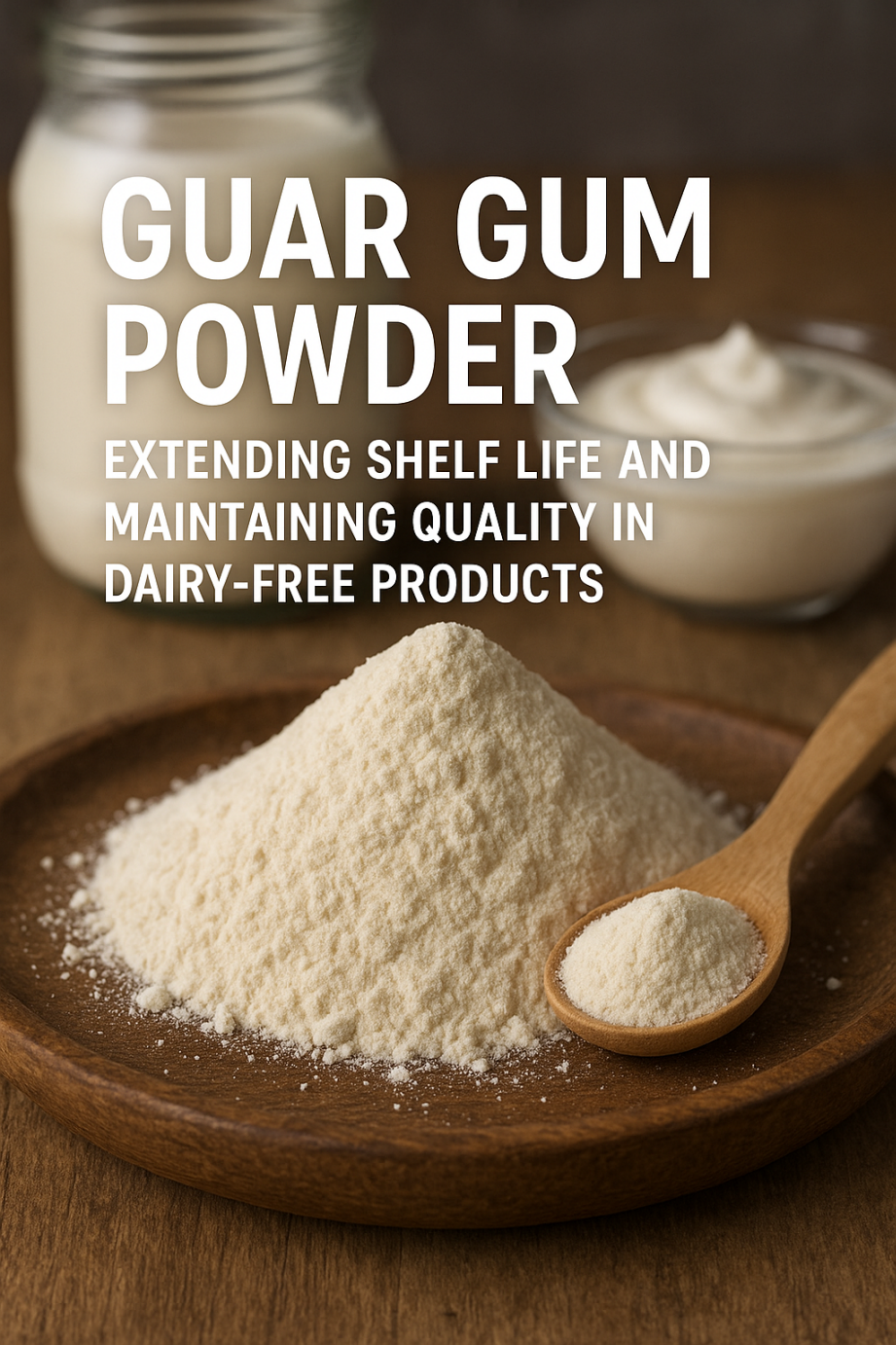
Guar gum powder Extending Shelf Life and Maintaining Quality in Dairy-Free Products

Benefits of Guar Gum Over Other Hydrocolloids

Comparisons with Other Thickeners Used in Dairy-Free Formulations

There are several other hydrocolloids used in dairy-free formulations, such as xanthan gum, locust bean gum and agar. However, guar gum offers distinct advantages over these alternatives. It is highly efficient as a thickener, requiring less quantity to achieve the desired viscosity compared to other hydrocolloids, making it a more cost-effective option for manufacturers. Additionally, guar gum has a natural origin and is easier to incorporate into cold formulations, which is particularly useful for dairy-free beverages and ice cream.

In contrast, some other thickeners may not provide the same level of smoothness or creaminess in dairy-free ice cream. They can also require more complex processing steps to achieve the desired texture. Guar gum offers superior performance with a simpler and more efficient incorporation process, making it the preferred choice for many manufacturers in Mexico.

Why Guar Gum is a Preferred Choice in the Dairy-Free Industry

The versatility and natural origin of guar gum make it a preferred choice in the food industry. It can improve the texture, stability and mouthfeel of a wide range of products, making it an ideal ingredient. Unlike synthetic alternatives, guar gum is a clean label ingredient, appealing to consumers who prioritize transparency and natural ingredients in their food.

The Future of Dairy-Free Products in Mexico and Beyond

Growth of the Dairy-Free Market and How Guar Gum Will Drive Future Innovations

The market in Mexico is expected to continue growing, driven by shifting consumer preferences and the increasing popularity of plant-based diets. As demand for dairy-free beverages and ice cream continues to rise, manufacturers will need to rely on natural ingredients to meet the texture and quality expectations of consumers.

The future of dairy-free products in Mexico will see further innovations, with guar gum playing a key role in developing new formulations that enhance taste, texture and consistency. As more consumers seek healthier and more sustainable alternatives to dairy products, guar gum powder will continue to drive the success of dairy-free ice cream and beverages in Mexico and beyond.

Altrafine’s Potential to Lead the Supply Chain for Dairy-Free Alternatives

As the demand for dairy-free products grows, Altrafine Gums known for supplying high-quality guar gum powder, are well-positioned to lead the supply chain for these products. By ensuring a steady supply of high-quality ingredients, AltrafineGums, as a leading manufacturer of guar gum powder, create the best possible products to meet the evolving needs of Mexican consumers.

Call Us for Guar Gum Powder

Conclusion

Guar gum is revolutionizing the dairy-free beverage and ice cream industries in Mexico by enhancing the texture, creaminess and shelf life of these products. As consumer demand for dairy-free alternatives continues to grow, guar gum powder plays an essential role in creating high-quality, natural products that meet the expectations of health-conscious consumers. With its ability to improve mouthfeel, stability and overall product performance, guar gum is a key ingredient in shaping the future of dairy-free formulations in Mexico, ensuring that these products continue to meet the needs of today’s market.

In recent years, the U.S. food industry has seen a big shift towards using natural ingredients and avoiding synthetic additives. This shift is driven by consumer demand for more transparency and cleaner food labels. One natural ingredient that fits perfectly into this trend is cassia gum. Cassia gum powder, derived from the seeds of the Cassia Tora plant, offers great benefits as a thickener, stabilizer and emulsifier in food products.

This article will explore how cassia gum plays an essential role in the U.S. food industry. It will look at its benefits, its applications in different food products and how it helps manufacturers meet consumer preferences for clean and natural ingredients.

The Clean Label Movement and Consumer Demand for Transparency

Growing Consumer Preference for Natural Ingredients in Food Products

Consumers today are more concerned than ever about what’s in their food. Many are looking for products with fewer artificial ingredients and more natural, easy-to-understand labels. The trend towards clean label products is growing, especially in the U.S. This movement is about using ingredients that are simple, recognizable and natural, without relying on synthetic chemicals or preservatives.

As part of this shift, ingredients like cassia gum powder are becoming more popular in the U.S. food industry. It is a natural alternative that can provide the same benefits as artificial additives, without the need for complicated chemicals. This demand for transparency and clean ingredients makes cassia gum powder for food industry a perfect fit for manufacturers looking to meet consumer expectations.

Buy Cassia Gum Direct from Manufacturer

How Cassia Gum Fits into the Clean Label Trend?

Cassia gum is a great example of a natural ingredient that fits perfectly into the clean label trend. It serves multiple functions in food products, such as acting as a thickener, stabilizer and emulsifier. As a natural product, it helps food manufacturers create items that meet clean label standards by using ingredients that consumers can recognize and trust.

For instance, cassia gum powder can help thicken sauces, improve the texture of dairy-free products and ensure that ingredients stay properly mixed together. These qualities make cassia powder a popular choice in the U.S. food industry, where clean labels and transparency are becoming more important to consumers.

Benefits of Cassia Gum as a Natural Additive

Key Functionalities: Thickening, Stabilizing and Emulsifying Without Chemicals

One of the main reasons cassia gum is used in food products is its ability to perform multiple functions without relying on synthetic chemicals. It acts as a thickener, which means it can help make food products like sauces, dressings and soups thicker and smoother. This natural thickening ability makes cassia powder an excellent alternative to chemical thickeners that are often used in processed foods. In addition to thickening, cassia gum also acts as a stabilizer and emulsifier. This means it helps prevent ingredients from separating in products like salad dressings or mayonnaise. By keeping the ingredients properly mixed, it helps improve the shelf life and overall consistency of these products.

Guar Gum in Vegan Dairy, Gluten-Free Baking, and Health Snacks

Comparison with Synthetic Alternatives in Processed Foods

While synthetic alternatives like xanthan gum or guar gum have traditionally been used in processed foods, cassia gum powder offers a natural option. Many synthetic gums are chemically processed and can be harder for consumers to understand. On the other hand, cassia gum is a plant-derived, natural ingredient, making it an ideal choice for manufacturers who want to create products that meet clean label standards. In the U.S., consumers are increasingly looking for food products that contain natural ingredients. Cassia gum for food industry help manufacturers meet this demand, offering a functional, natural alternative to synthetic ingredients without compromising the performance of their products.

Applications of Cassia Gum in U.S. Food Products

Usage in Dairy-Free Products, Sauces and Bakery Items

The demand for dairy-free products is on the rise in the U.S., with more consumers adopting plant-based diets or seeking lactose-free alternatives. Cassia gum powder is used in many dairy-free products to help achieve the smooth, creamy texture that is typically found in dairy-based products. For example, it can be used in plant-based ice creams, dairy-free milks and even non-dairy cheeses to improve texture and consistency.

In addition to dairy-free products, cassia gum is widely used in sauces, dressings and other processed foods. It helps thicken these products, ensuring that they have the right texture while keeping the ingredients stable and well-mixed. Cassia tora gum powder can also improve the texture and shelf life of bakery items, helping products stay moist and fresh for longer.

Enhancing Texture, Viscosity and Shelf Life of Clean Label Foods

One of the primary reasons in the U.S. food industry is its ability to enhance the texture and viscosity of products. Whether it’s thickening sauces or improving the mouthfeel of cassia gum in dairy-free products which helps ensure that food products meet the sensory expectations of consumers. At the same time, it helps keep ingredients properly mixed, preventing separation and maintaining consistency over time.

Another significant benefit is its ability to improve the shelf life of clean label products. By stabilizing emulsions and preventing ingredient separation, it helps extend the freshness and quality of food products, which is crucial for both manufacturers and consumers in the U.S. market.

Regulatory Considerations for Cassia Gum in the U.S. Food Industry

FDA Approval and GRAS (Generally Recognized as Safe) Status

In the U.S., food ingredients are closely regulated by the Food and Drug Administration (FDA). Cassia gum powder has been granted GRAS (Generally Recognized as Safe) status, meaning that it is considered safe for use in food products. This approval is crucial for food manufacturers, as it ensures that cassia gum meets the required safety standards to be used in food formulations.

Request Bulk Pricing

Meeting Clean Label Requirements and Industry Certifications

As the clean label movement continues to grow, it’s important for food manufacturers to ensure their products meet the necessary standards. Cassia gum for food industry applications help manufacturers meet clean label requirements by providing a natural ingredient that can be listed on labels in a simple and transparent way. Additionally, cassia gum powder can be certified as organic, non-GMO or gluten-free, which further aligns with the preferences of U.S. consumers looking for cleaner, more natural food options.

Opportunities for Cassia Gum in U.S. Food Innovations

Collaboration with Plant-Based Food Brands and Health-Conscious Consumers

As plant-based diets and health-conscious choices continue to grow in popularity in the U.S., cassia gum powder for plant-based alternatives presents an opportunity for food manufacturers to innovate. Cassia gum can be used to improve the texture, stability and consistency of plant-based products, such as dairy-free alternatives and meat substitutes. By collaborating with plant-based food brands, manufacturers can create high-quality, clean label products that appeal to the growing base of health-conscious consumers.

Future Trends in the U.S. Food Industry and Demand for Natural Gums

Looking forward, the demand for natural ingredients is expected to continue growing in the U.S. food industry. As consumers become more aware of the ingredients in their food, they will continue to seek out products that feature simple, natural components. Natural Cassia Gum Powder applications will likely increase as manufacturers look for ways to create clean label products that meet these consumer demands. The versatility of cassia gum in food formulations makes it a key ingredient for future innovations in the U.S. food industry.

Conclusion

Altrafine Gums offers Cassia gum which is becoming an increasingly important ingredient in the U.S. food industry as consumer demand for clean label products continues to rise. Its natural properties as a thickener, stabilizer and emulsifier make it a valuable tool for food manufacturers seeking to meet the growing demand for transparency and natural ingredients. Whether used in dairy-free products, sauces or bakery items, cassia gum powder helps create food products that align with clean label principles, providing a simple, natural solution for modern food formulations. As the clean label trend continues to shape the U.S. food industry, cassia gum will play a key role in helping manufacturers develop innovative, high-quality food products.

Pharmaceutical Grade Guar Gum - Key Binder, Plasticizer and Emulsifier in Drug Formulations

Pharmaceutical Grade Guar Gum is a vital excipient in the pharmaceutical industry. Derived from the seeds of the guar plant, guar gum is a natural polysaccharide composed of galactose and mannose units. This high molecular weight gum has a broad range of applications in pharmaceutical formulations, particularly as a binder, plasticizer and emulsifier. The primary reason for its widespread use in drug manufacturing is its ability to enhance the stability, performance and controlled release of various pharmaceutical products.

In the pharmaceutical industry, formulations such as tablets, capsules, suspensions and creams require a variety of excipients to ensure proper functionality. Guar gum plays an essential role in these applications due to its unique ability to bind, plasticize and emulsify, which helps improve the overall efficacy and shelf-life of pharmaceutical products. This article explores the role of pharmaceutical-grade guar gum in drug formulations and its importance as a binder, plasticizer and emulsifier.

Understanding the Role of Guar Gum in Pharmaceuticals.

Guar gum’s multifaceted nature allows it to perform multiple functions in drug formulations. It is most commonly used as a binder, plasticizer and emulsifier, which makes it an indispensable component in pharmaceutical manufacturing.

Guar Gum as a Binder, Plasticizer and Emulsifier

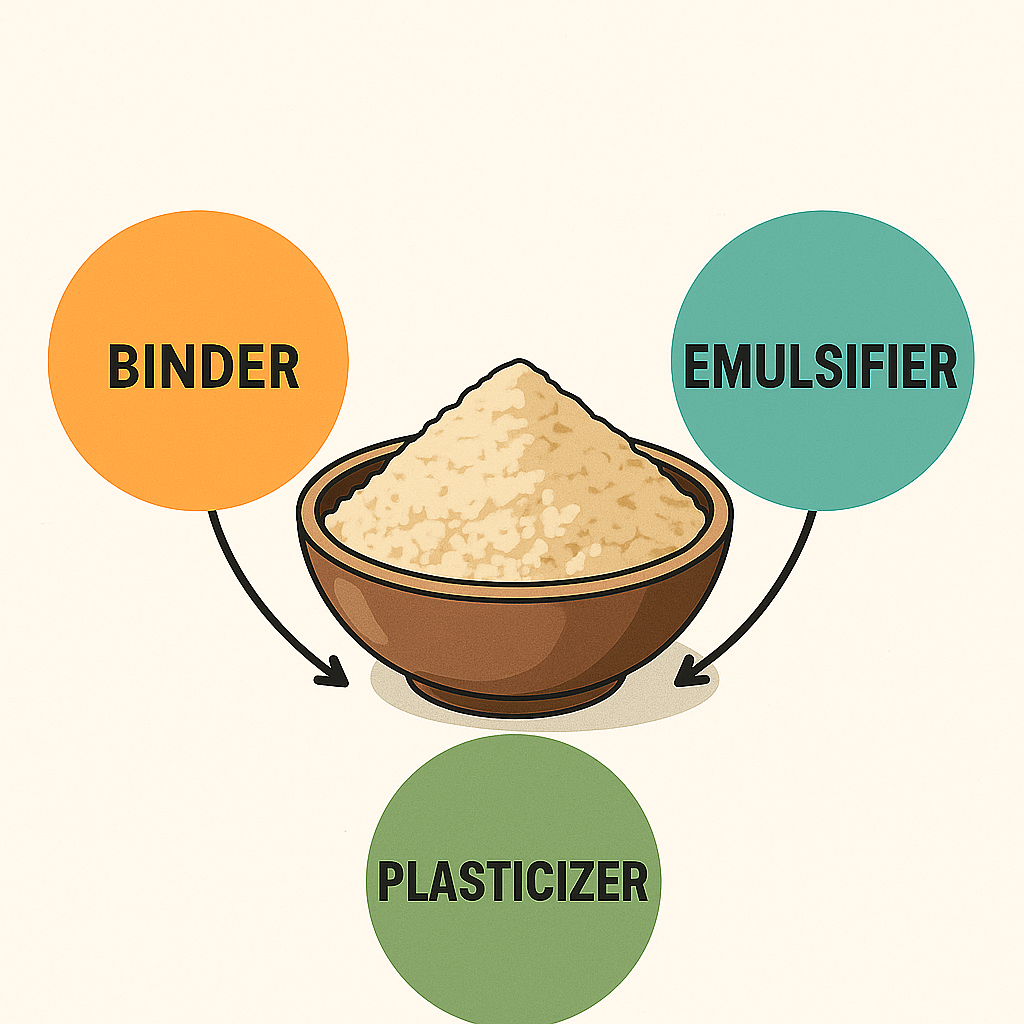
As a binder, guar gum is particularly effective in holding together the various components of a tablet or capsule formulation. It provides cohesion to the formulation, ensuring the proper compression of tablets without them crumbling or breaking. In addition to its binding properties, guar gum also acts as a plasticizer. It reduces the brittleness of tablets and capsules, which ensures they maintain their integrity even when subjected to mechanical stress. This plasticizing action helps ensure that the formulation does not crack or disintegrate prematurely during storage or handling.

Furthermore, guar gum emulsifier properties are crucial for stabilizing emulsions. Emulsifiers are vital in ensuring the homogenous mixture of immiscible liquids, such as oil and water, in pharmaceutical suspensions and topical products. By maintaining the stability of emulsions, guar gum ensures uniformity in the formulation, preventing phase separation and ensuring that the active pharmaceutical ingredient (API) is evenly distributed throughout the product.

Guar Gum As Binder, Plasticizer & Emulsifier

Enhancing Stability and Effectiveness of Tablets and Capsules

The unique properties of pharmaceutical-grade guar gum enhance the stability and effectiveness of drug formulations, particularly tablets and capsules. Guar gum, as a binder, ensures that the drug ingredients remain intact and that the formulation does not fall apart, even during the compression process. This allows for better handling and transport of the tablets.

In capsules, guar gum also serves as an important stabilizer, preventing the capsule shell from becoming too brittle and ensuring that the contents remain intact. Additionally, in tablet formulations, guar gum can control the release of the active pharmaceutical ingredient, providing a controlled release or sustained release mechanism.

Request Bulk Pricing

The Mechanism of Guar Gum in Drug Delivery Systems

One of the most critical functions of pharmaceutical-grade guar gum in drug formulations is its ability to control the release rates of active pharmaceutical ingredients (APIs) and enhance bioavailability. This ability is particularly beneficial in controlled release and sustained-release formulations.

Guar Gum’s Ability to Control Release Rates and Improve Bioavailability

Guar gum, when incorporated into tablet formulations, can help control the rate at which the active ingredient is released. By forming a gel-like matrix when hydrated, it slows down the dissolution rate of the API, ensuring that it is released gradually over an extended period. This controlled release is especially important for drugs that require consistent therapeutic levels over time, such as pain management medications or drugs for chronic conditions.

Guar gum, when incorporated into tablet formulations, can help control the rate at which the active ingredient is released. By forming a gel-like matrix when hydrated, it slows down the dissolution rate of the API, ensuring that it is released gradually over an extended period. This controlled release is especially important for drugs that require consistent therapeutic levels over time, such as pain management medications or drugs for chronic conditions.

Applications in Sustained and Controlled Drug Release Formulations

The application of guar gum for pharmaceutical use in sustained and controlled drug release systems has revolutionized the way many drugs are formulated. Its gelling properties allow it to act as a matrix that releases the drug in a controlled manner. This is especially important in the formulation of oral solid dosage forms such as tablets and capsules, where a steady and predictable drug release is necessary for optimal therapeutic effects.

In sustained-release formulations, guar gum can significantly reduce the frequency of dosing. For example, instead of taking a medication multiple times a day, a patient may only need to take it once or twice, enhancing patient compliance and improving overall treatment outcomes.

Guar Gum’s Safety Profile and Regulatory Compliance

The safety of pharmaceutical-grade guar gum is a critical factor that ensures its suitability for use in drug formulations. As a natural, biocompatible material, guar gum has undergone extensive testing to meet the stringent safety and regulatory standards set by global authorities, including the U.S. Food and Drug Administration (FDA) and the European Medicines Agency (EMA).

Safety Standards and Regulatory Approvals for Pharmaceutical-Grade Guar Gum

Guar gum, when used as an excipient in pharmaceutical products, must meet specific safety standards. These include limits on its contamination with harmful substances, as well as tests for toxicity, irritation and allergic reactions. Pharmaceutical-grade guar gum is generally considered safe when used in appropriate concentrations and is approved by regulatory bodies for use in a variety of drug formulations.

Pharma grade guar gum is regularly tested for consistency, purity and microbial contamination to ensure that it adheres to high safety standards. These tests help ensure that the guar gum used in pharmaceutical formulations is of the highest quality, guaranteeing the safety of the final drug product.

Ensuring Quality and Consistency in Drug Formulations

Ensuring the quality and consistency of pharmaceutical-grade guar gum is essential for maintaining the effectiveness and safety of the final drug formulation. Manufacturers must ensure that guar gum complies with the regulatory standards set by global health authorities. This includes maintaining rigorous quality control procedures, testing for purity and verifying the consistency of the physical and chemical properties of the gum to ensure that it performs as expected in the drug formulation.

Advantages of Using Guar Gum Over Synthetic Polymers

While synthetic polymers are often used in pharmaceutical formulations, guar gum powder offers several advantages over these materials. It is a natural, biodegradable substance that provides effective performance without the environmental concerns associated with synthetic polymers.

Natural, Biodegradable and Eco-Friendly Properties of Guar Gum

Guar gum is a natural polysaccharide, making it an eco-friendly alternative to synthetic excipients in pharmaceutical formulations. Its natural origin and biodegradability ensure that it does not contribute to long-term environmental pollution, making it a more sustainable choice for drug manufacturers who prioritize natural ingredients. Moreover, guar gum has excellent biocompatibility with the human body, making it an ideal excipient for oral and topical pharmaceutical formulations. Its safety profile, coupled with its ability to perform multiple functions as a binder, plasticizer and emulsifier, makes it a preferred choice in many drug formulations.

Buy Guar Gum Direct from Manufacturer

Comparison with Synthetic Binders in Terms of Efficacy and Safety

When compared to synthetic binders, guar gum offers similar or even superior binding efficiency, but with the added advantage of being a natural substance with a lower risk of adverse reactions. Synthetic binders, while effective, can sometimes cause irritation or other side effects in sensitive individuals. In contrast, pharma-grade guar gum is less likely to cause such issues, making it a safer alternative for many formulations.

Future Trends in Pharmaceutical Applications of Guar Gum

As pharmaceutical science continues to evolve, guar gum is expected to play an even more significant role in the development of novel drug formulations and delivery systems. Researchers are continually exploring new ways to utilize guar gum’s unique properties to improve drug delivery and effectiveness.

Innovations in Controlled Drug Release Technologies

The use of guar gum in controlled drug release systems is one of the most exciting areas of research. As scientists develop more sophisticated drug delivery technologies, guar gum’s ability to control release rates will continue to be a valuable tool in formulating medications that provide consistent, long-lasting therapeutic effects. Innovations in guar gum powder for pharma industry will further enhance the performance of sustained-release and extended-release formulations, allowing for more precise control over drug dosing and release profiles.

Potential for Guar Gum in Novel Drug Formulations and Delivery Methods

The future of guar gum in capsule formulation and other novel drug delivery methods looks promising. As research into new pharmaceutical delivery systems expands, guar gum’s versatility as a binder, plasticizer and emulsifier may be utilized in a wider array of formulations. Its potential to enhance the solubility and bioavailability of poorly soluble drugs may also lead to new applications in the formulation of more effective treatments for various diseases.

Conclusion

Altrafine Gums, as a leading manufacturer of guar gum which plays a crucial role in the pharmaceutical industry due to its multifunctional properties as a binder, plasticizer and emulsifier. Its ability to enhance the stability, release rates and bioavailability of drug formulations makes it an indispensable excipient in the development of high-quality pharmaceutical products. With its natural, safe and biodegradable nature, guar gum continues to be a vital ingredient in the formulation of effective and reliable drug therapies.

As research progresses, guar gum will remain at the forefront of innovations in drug delivery systems, contributing to the development of more effective, controlled and sustainable pharmaceutical products.

Top Industrial Applications of Cassia Gum Across Different Countries of Europe

Cassia gum, a natural hydrocolloid derived from the endosperm of Cassia tora and Cassia obtusifolia seeds, has established itself as a versatile ingredient in various industrial sectors. Across Europe, countries like Germany, the Netherlands, France, and Italy are key markets embracing cassia gum for its functional and sustainable benefits. Approved for use in food, pet food, cosmetics, and industrial processes, cassia gum supports product innovation while aligning with Europe’s increasing focus on natural and biodegradable materials. This article explores the top industrial applications of cassia gum in different European countries and the regulatory framework governing its use.

1. Overview of Cassia Gum Use in Europe

Key Markets: Germany, Netherlands, France, and Italy

Europe represents a mature market for cassia gum applications, with several countries leading demand due to strong food, pet care, and industrial manufacturing sectors:

  • Germany leverages cassia gum extensively in food processing and personal care products.
  • The Netherlands focuses on pet food applications and sustainable industrial uses.
  • France and Italy incorporate cassia gum in innovative food products and cosmetics, driven by consumer demand for natural ingredients.

These countries benefit from established supply chains and increasing consumer awareness of clean label and eco-friendly products, supporting steady growth in cassia gum powder consumption.

EU Approval Status for Food, Pet Food, and Industrial Use

  • Cassia gum E427 is approved under EU regulations as a food additive, used safely in dairy analogues, meat products, and bakery items.
  • It is permitted in pet food formulations, particularly canned and moist foods, where its gelling properties enhance texture and palatability.
  • Beyond food, cassia gum is authorized for use in cosmetics and various industrial applications, reflecting its broad versatility and safety profile.
Request Bulk Pricing

2. Food Industry Applications of Cassia Gum in Europe

Usage in Dairy Analogues, Meat Emulsions, and Bakery Items

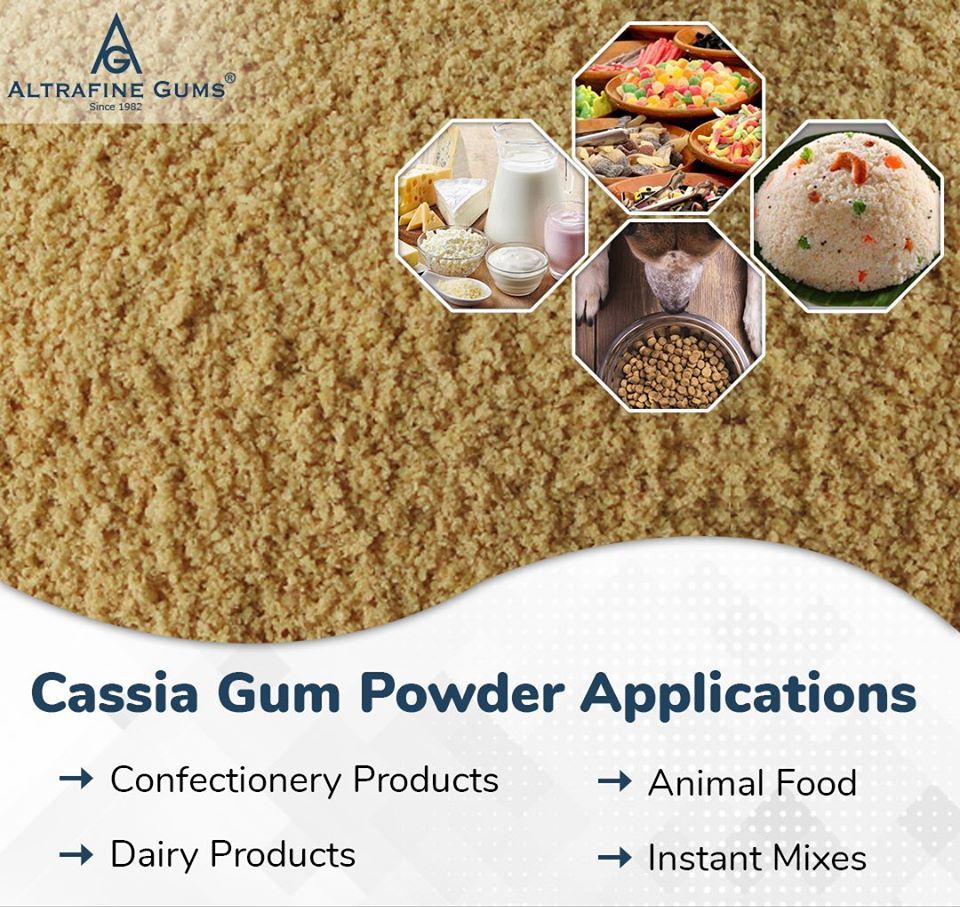
Cassia gum’s unique gelling and thickening abilities make it indispensable in European food manufacturing:

  • Dairy analogues: Cassia gum improves mouthfeel and stabilizes plant-based yogurts and cheeses.
  • Meat emulsions: It binds water and fat, enhancing product yield and texture in processed meats.
  • Bakery products: Cassia gum aids moisture retention and extends freshness in gluten-free and specialty baked goods.

Functionality in Texture Control and Moisture Retention

Its ability to form stable gels helps manufacturers control food texture, improve slice ability, and maintain moisture, leading to enhanced sensory attributes and consumer acceptance.

3. Pet Food and Feed Additives

As a Gelling Agent in Canned and Moist Pet Food Formulations

In the pet food sector, cassia gum plays a critical role:

  • Acts as a natural gelling agent, providing desirable consistency in wet pet foods.
  • Improves water binding and prevents syneresis (liquid separation) in canned formulations.
  • Enhances the appearance and palatability of pet food products.

Benefits Over Other Hydrocolloids in Feed Palatability

Compared to other hydrocolloids, cassia gum offers:

Cassia Gum in Different Applications
  • Superior gel strength at lower concentrations.
  • Enhanced palatability and digestibility.
  • Compatibility with diverse feed formulations.

This makes cassia gum a preferred additive for European pet food manufacturers prioritizing natural and functional ingredients.

4. Cosmetic and Personal Care Products

Stabilizing and Thickening in Shampoos, Creams, and Gels

The cosmetics industry across Europe increasingly adopts cassia gum as a natural thickener and stabilizer:

  • Provides viscosity control in shampoos, body washes, and gels.
  • Stabilizes emulsions, preventing ingredient separation.
  • Improves sensory feel and spread ability in creams and lotions.

Cassia Gum as a Natural Alternative to Synthetic Polymers

With growing consumer demand for “green” and clean beauty products, cassia gum is favoured over synthetic polymers due to its biodegradability, safety, and plant-based origin, fitting perfectly into sustainable personal care formulations.

Buy Cassia Gum Direct from Manufacturer

5. Industrial Processing and Paper Coating

Use in Paper Coating, Textile Printing, and Adhesives

Beyond food and cosmetics, cassia gum finds application in industrial sectors such as:

  • Paper coating: Enhances surface properties and printability of paper products.
  • Textile printing: Acts as a thickener for dyes and pigments, improving print quality.
  • Adhesives: Provides viscosity and binding properties in eco-friendly adhesive formulations.

Advantages in Sustainability and Biodegradability

Cassia gum’s natural origin and biodegradability align well with Europe’s sustainability goals, offering manufacturers an eco-friendly alternative to synthetic additives while meeting performance requirements.

Conclusion

Cassia gum powder continues to gain prominence across multiple industrial sectors in Europe, supported by favourable regulatory approvals and increasing consumer and manufacturer demand for natural, sustainable ingredients. From food and pet care to cosmetics and industrial processing, cassia gum delivers superior functional benefits and aligns with Europe’s clean label and green manufacturing trends. Suppliers and manufacturers leveraging cassia gum’s versatile applications are well-positioned to capitalize on the growing European market.

FAQs on Cassia Gum Industrial Applications in Europe

1. Which European countries are key markets for cassia gum?

Germany, the Netherlands, France, and Italy are leading markets with significant cassia gum usage across industries.

2. Is cassia gum approved for food and pet food use in Europe?

Yes, cassia gum (E427) is EU-approved for use in food, pet food, cosmetics, and industrial applications.

3. How is cassia gum used in the food industry?

It is used in dairy analogues, meat emulsions, and bakery items for texture control and moisture retention.

4. What benefits does cassia gum offer in pet food formulations?

Cassia gum improves gel strength, palatability, and prevents liquid separation in canned and moist pet foods.

5. Can cassia gum replace synthetic polymers in cosmetics?

Yes, it serves as a natural thickener and stabilizer favored in sustainable and green personal care products.

6. What industrial applications utilize cassia gum in Europe?

Paper coating, textile printing, and adhesives industries benefit from cassia gum’s thickening and binding properties.

<< 1 >>


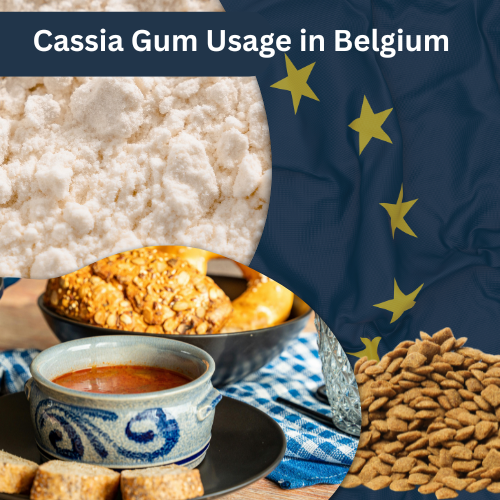
Cassia Gum Powder in Belgium - Opportunities and Challenges

Belgium plays a significant role in Europe’s food and pet food production industries, characterized by high export orientation and increasing demand for natural, clean label ingredients. As cassia gum powder gains traction globally for its gelling, thickening, and stabilizing properties, Belgium presents unique opportunities and challenges for suppliers and manufacturers. Understanding the current market landscape, regulatory framework, and supply chain dynamics is crucial for businesses aiming to establish or expand their presence in Belgium’s evolving ingredient market.

1. Current Market Landscape for Cassia Gum in Belgium

Role of Belgium in European Food and Pet Food Production

  • Belgian food manufacturers are increasingly focusing on natural, plant-based additives to meet consumer demand.
  • The pet food industry in Belgium is also growing, with premium, moist, and organic products requiring effective gelling agents.
  • Belgium’s export-driven economy amplifies the need for ingredients that comply with stringent international standards, including cassia gum.

Demand for Natural Additives in Export-Driven Industries

The shift towards clean label, organic, and sustainable products is reshaping ingredient sourcing in Belgium. Manufacturers seek natural hydrocolloids such as cassia gum powder that can provide functional benefits while aligning with consumer expectations for transparency and safety.

Cassia Gum in European and Pet Food in Belgium
Request Bulk Pricing

2. Approved Applications and Regulatory Considerations

EU Regulations and EFSA Guidelines for Cassia Gum Usage

As part of the European Union, Belgium adheres to EU regulations governing food additives:

  • Cassia gum E427 is authorized under the EU for use in food and pet food, subject to maximum usage levels.
  • The European Food Safety Authority (EFSA) provides scientific assessments and guidelines ensuring the safety of cassia gum in various applications.
  • Compliance with these regulations is mandatory for manufacturers and suppliers operating in Belgium.

Labeling Norms and Compliance Challenges in Belgium

Belgium enforces strict labelling requirements for food and pet food products, impacting how cassia gum powder must be declared:

  • Clear ingredient listing is essential to meet consumer transparency demands.
  • Claims related to organic status or clean label status require certification and traceability.
  • Navigating multilingual labelling and differing regional requirements within Belgium can pose challenges for ingredient suppliers.

3. Opportunities for Cassia Gum Suppliers

Growing Demand from Gourmet, Vegan, and Private-Label Sectors

Belgium’s diverse food market offers several growth avenues for cassia gum suppliers:

  • Gourmet and artisanal food producers increasingly use cassia gum for texture and stability.
  • The booming vegan food sector relies on cassia gum powder for plant-based dairy and meat alternatives.
  • Private-label brands emphasize clean label formulations, driving demand for natural hydrocolloids like cassia gum.

Potential in Clean Label and Sustainable Product Development

  • Cassia gum’s plant-based origin and functional versatility position it as an ideal ingredient for clean label initiatives.
  • Sustainability concerns encourage adoption of biodegradable, natural additives.
  • Collaborations between suppliers and manufacturers can foster innovation in sustainable product formats incorporating cassia gum powder.

4. Challenges in Supply Chain and Cost Efficiency

Import Dependency and Quality Assurance Concerns

Belgium largely depends on imports for ingredients like cassia gum powder, presenting challenges such as:

  • Ensuring consistent quality and purity from overseas suppliers.
  • Managing logistics and lead times to prevent production disruptions.
  • Maintaining traceability to satisfy regulatory and consumer demands.

Navigating Price Volatility and Raw Material Sourcing

  • Cassia gum prices can fluctuate due to variations in raw material availability (guar bean harvests).
  • Suppliers must balance cost-efficiency with quality to remain competitive.
  • Transparent communication and strategic sourcing are key to overcoming pricing pressures.
Get Reliable Supply for Your Industry

5. Future Growth and Strategic Partnerships

Local Partnerships with Belgian Food Manufacturers

  • Building relationships with Belgian manufacturers enables better market insights and tailored ingredient solutions.
  • Joint development projects can optimize cassia gum applications for local consumer preferences.
  • Partnerships facilitate quicker response to regulatory changes and market trends.

Innovation in Solubility, Application Range, and Product Formats

  • Advances in cassia gum powder solubility and ease of use improve process efficiency.
  • Expanding application areas beyond food and pet food, including cosmetics and industrial uses.
  • Developing new product formats (e.g., blends, granules) enhances handling and functionality.

Conclusion

Belgium’s robust food and pet food sectors, combined with its export orientation and clean label trend, create significant opportunities for cassia gum powder suppliers. However, navigating regulatory requirements, supply chain complexities, and market dynamics requires strategic planning and strong partnerships. By focusing on quality assurance, innovation, and collaboration, cassia gum suppliers can establish a strong foothold in Belgium’s evolving ingredient market and support the country’s drive toward sustainable, natural food production.

FAQs on Cassia Gum Powder in Belgium

1. Is cassia gum powder approved for food and pet food use in Belgium?

Yes, cassia gum (E427) complies with EU and EFSA regulations, which Belgium follows.

2. What are the main applications of cassia gum in Belgium’s food industry?

Cassia gum is used in dairy analogues, meat products, bakery, and pet food formulations for gelling and thickening.

3. What labeling requirements affect cassia gum usage in Belgium?

Clear ingredient declaration and adherence to organic and clean label certification are mandatory.

4. What supply chain challenges exist for cassia gum in Belgium?

Belgium relies on imports, which can cause quality consistency, traceability, and logistics challenges.

5. How can cassia gum suppliers capitalize on Belgium’s clean label market?

By partnering with local manufacturers, innovating product formats, and focusing on sustainable, natural ingredients.

6. What future trends will impact cassia gum demand in Belgium?

Increased vegan and organic product development and expansion into cosmetics and industrial applications.

<< 1 >>


Guar Gum Powder in Sweden’s Clean Label and Organic Food Movement

Sweden is witnessing a significant shift in consumer preferences towards clean label and organic food products, driven by increasing health consciousness and environmental awareness. This transformation has created new opportunities for natural ingredients like guar gum powder, which perfectly align with the values of transparency, sustainability, and safety. As a versatile plant-based hydrocolloid, guar gum has become a preferred clean label thickener and stabilizer in Sweden’s growing organic food industry. This article explores Sweden’s clean label movement, the role of guar gum powder within it, and emerging opportunities for guar gum suppliers in the region.

Sweden’s Shift Toward Clean Label and Organic Products

Growing Consumer Demand for Natural, Transparent Ingredients

Swedish consumers are increasingly seeking foods made with simple, recognizable ingredients without synthetic additives, preservatives, or artificial chemicals. The clean label trend emphasizes ingredient transparency and natural sourcing, prompting manufacturers to reformulate products to meet these expectations.

  • Consumers prefer plant-based, allergen-free ingredients that support health and wellness.
  • The rising demand for organic, minimally processed foods boosts interest in natural hydrocolloids like guar gum powder.
  • Clean label initiatives encourage food producers to replace synthetic thickeners with natural alternatives.

Regulatory Support for Organic and Plant-Based Food Production

Sweden’s government and regulatory agencies actively promote organic farming and sustainable food production through:

  • Subsidies and support programs for organic farmers.
  • Strict regulations on food additives ensuring safety and transparency.
  • Alignment with EU organic certification standards, which influence product formulation and labeling.

This favorable regulatory environment encourages food manufacturers to adopt clean label guar gum as a natural ingredient that complies with organic and food safety standards.

Get Reliable Supply for Your Industry

Guar Gum’s Role as a Clean Label Hydrocolloid

Plant-Based, Allergen-Free, and Chemical-Free Formulation Aid

Guar gum powder is a natural polysaccharide derived from guar beans, making it a 100% plant-based, gluten-free, and allergen-free ingredient. These characteristics make it highly suitable for clean label food formulations:

  • It contains no artificial chemicals, preservatives, or synthetic additives.
  • Its natural origin supports organic certification efforts.
  • Its functional properties as a thickener, stabilizer, and emulsifier make it a versatile clean label hydrocolloid.

Replacing Synthetic Thickeners and Stabilizers in Processed Foods

Traditional food formulations often rely on synthetic gums and starches for viscosity and texture. However, the clean label movement drives food companies to seek natural substitutes:

  • Guar gum powder offers excellent thickening efficiency at low usage levels.
  • It enhances mouthfeel, texture, and stability in foods without compromising clean label status.
  • Food manufacturers replace synthetic thickeners with guar gum, maintaining product quality while meeting consumer demands.

Applications in Sweden’s Food Industry

Guar Gum in Vegan Dairy, Gluten-Free Baking, and Health Snacks

Sweden’s booming plant-based and health food sectors utilize guar gum powder extensively for:

  • Vegan dairy alternatives: Guar gum improves creaminess and stability in plant-based milks, yogurts, and cheeses.
  • Gluten-free baked goods: It enhances dough viscosity, moisture retention, and texture, compensating for gluten absence.
  • Health snacks: Guar gum acts as a binder and stabilizer in bars, cereals, and protein-rich snacks, supporting clean label claims.

Enhancing Shelf Life and Consistency in Organic Beverages

In organic juice and beverage production, guar gum powder helps maintain:

  • Consistent viscosity and mouthfeel.
  • Suspension of natural pulp particles.
  • Stability against phase separation during storage.

This functionality supports the premium positioning of organic beverages in Sweden’s competitive market.

Guar Gum in Vegan Dairy, Gluten-Free Baking, and Health Snacks

Regulatory Standards and Organic Certification in Sweden

EU Regulations for Organic Additives and E412 Compliance

The European Union regulates food additives under strict guidelines that apply to Sweden. For guar gum powder (E412):

  • It is approved as a safe food additive with specified purity standards.
  • Its use in organic food products is permitted provided it meets organic certification criteria.
  • Documentation and traceability of organic guar gum sourcing are essential for compliance.

Swedish Food Agency Requirements for Food-Grade Gums

The Swedish Food Agency enforces:

  • Safety and labeling regulations for food-grade gums including guar gum powder.
  • Testing and certification to ensure the absence of contaminants.
  • Support for clean label declarations in product labeling and marketing.

Adhering to these standards is crucial for manufacturers and guar gum suppliers targeting Sweden’s organic food market.

Opportunities for Guar Gum Suppliers in Sweden

Collaborations with Organic Food Brands and Exporters

The demand for clean label ingredients has opened avenues for guar gum powder suppliers to partner with:

  • Organic food manufacturers reformulating products for Sweden.
  • Exporters supplying clean label and organic food brands.
  • Ingredient distributors focused on sustainable, natural hydrocolloids.

Strong relationships and transparent supply chains boost trust and adoption.

Branding Guar Gum as a Sustainable and Clean Label Solution

To capitalize on Sweden’s clean label movement, guar gum powder suppliers can:

  • Highlight guar gum’s plant-based origin and environmental benefits.
  • Emphasize compliance with organic and food safety standards.
  • Promote success stories of guar gum improving product texture and shelf life.
  • Leverage Sweden’s growing preference for sustainable, transparent ingredients.

Effective branding helps guar gum stand out as the natural hydrocolloid of choice in the region.

Buy Guar Gum Direct from Manufacturer

Conclusion

Sweden’s clean label and organic food movement offers immense growth opportunities for natural ingredients like guar gum powder. With strong consumer demand for transparency and sustainability, guar gum’s plant-based, allergen-free, and versatile properties make it indispensable in Sweden’s food industry. By aligning with regulatory standards and collaborating with organic brands, guar gum suppliers can position themselves as key partners in this dynamic market, supporting Sweden’s shift towards healthier and cleaner food products.

FAQs on Guar Gum Powder and Sweden’s Clean Label Food Movement

Why is guar gum powder favoured in Sweden’s clean label food industry?

Because it is a natural, plant-based thickener and stabilizer that fits clean label and organic food requirements.

What food applications commonly use guar gum in Sweden?

Vegan dairy alternatives, gluten-free baking, health snacks, and organic beverages.

Is guar gum powder compliant with EU and Swedish organic food regulations?

Yes, guar gum (E412) meets EU food additive regulations and is accepted in organic formulations under certification guidelines.

How does guar gum help in gluten-free and vegan products?

It improves texture, moisture retention, and product stability, compensating for the absence of gluten or dairy.

What opportunities exist for guar gum suppliers in Sweden’s organic market?

Collaborations with organic food brands and exporters, plus branding guar gum as a sustainable clean label ingredient.

How does guar gum powder contribute to shelf life in organic foods?

By stabilizing texture, preventing separation, and improving moisture retention, guar gum extends product freshness.

<< 1 >>


Why Heating is Essential in Cassia Gum Solubilization and Viscosity Development

Cassia gum is a natural hydrocolloid extracted from the endosperm of Cassia tora and Cassia obtusifolia seeds, widely used in food, feed, pet food and industrial applications for its excellent gelling and thickening properties. However, the effective utilization of cassia gum powder critically depends on proper solubilization, which is strongly influenced by heating. Heating not only improves the dissolution rate but also activates viscosity development, which is essential for cassia gum’s functional performance. In this article, we explore the chemistry behind cassia gum solubility, the pivotal role of heating in viscosity activation, and best practices for heated processing in various industries.

1. The Chemistry of Cassia Gum Solubility

Molecular Structure of Cassia Polysaccharides

Cassia gum primarily consists of galactomannans—polysaccharides composed of a mannose backbone with galactose side groups. This unique molecular arrangement gives cassia gum its characteristic ability to hydrate, form gels, and increase viscosity.

  • The mannose backbone provides structural rigidity.
  • The galactose side chains contribute to solubility in water and influence gel formation.
  • The interaction between these polysaccharides and water molecules is key to solubilization and viscosity development.
Chemistry of Cassia Gum Stability

Importance of Water Temperature in Dissolution

Water temperature plays a crucial role in the hydration and solubility of cassia gum powder:

  • At lower temperatures, cassia gum hydration is slow due to limited molecular motion and strong intermolecular hydrogen bonding.
  • Heating water increases molecular kinetic energy, breaking hydrogen bonds and promoting faster and more complete solubilization of cassia polysaccharides.
  • Optimal dissolution is achieved when cassia gum powder is dispersed in water,  facilitating efficient hydration and dispersion.

Improper temperature management during solubilization can lead to uneven hydration, clumping, and poor viscosity, directly impacting the quality of the final product.

Request Bulk Pricing

2. Role of Heating in Viscosity Activation

How Thermal Energy Helps Develop Functional Viscosity

Heating is essential not just for dissolving cassia gum but also for activating its functional viscosity, which defines its thickening and gelling performance:

  • Thermal energy causes polymer chains to uncoil and interact, increasing molecular entanglement.
  • This molecular interaction increases the viscosity of the cassia gum solution, resulting in a gel-like consistency.
  • Without adequate heating, the polymer chains remain coiled and less interactive, resulting in low viscosity and weak gels.

Critical Temperature Thresholds for Gelling and Thickening

Studies indicate that cassia gum solutions must be heated to specific temperature thresholds to fully develop viscosity:

  • Typically, the critical temperature for effective gelation ranges between 85°C and 120°C.
  • Heating below this range may produce solutions with insufficient viscosity and poor gel strength.
  • Conversely, overheating beyond optimal temperatures risks polymer degradation, which diminishes cassia gum’s functional properties.

Therefore, precise temperature control during processing is vital for maximizing viscosity and gel strength.

3. Industrial Applications Requiring Heated Processing

Usage in Pet Food, Dairy Analogues, and Meat Emulsions

Cassia gum’s versatility is reflected in its widespread application across various industries, many of which depend on heated processing to optimize its functional benefits:

  • Pet Food Industry: In wet pet food formulations, heating cassia gum powder in water ensures thorough dispersion and hydration, resulting in improved texture, moisture retention, and product stability.
  • Dairy Analogues: Plant-based milk and yogurt alternatives utilize cassia gum as a thickener and stabilizer. Heated solubilization ensures that the cassia gum develops sufficient viscosity to replicate the mouthfeel and creaminess of dairy products.
  • Meat Emulsions: Cassia gum acts as a binder and water-holding agent in processed meat products. Heated processing enables the gum to develop gel structures that bind fat and water effectively, enhancing yield and texture.

Heating Protocols for Optimal Solubility and Performance

To achieve consistent performance, industrial processing of cassia gum powder involves standardized heating protocols:

  • Gradual temperature increase prevents premature gelatinization or polymer degradation.
  • Maintaining the solution at the target temperature for a specific holding time allows complete hydration.
  • Continuous agitation during heating ensures uniform dispersion and prevents lump formation.
  • Cooling protocols after heating preserve the viscosity and gel strength required for final product formulation.

4. Common Issues Without Proper Heating

Low Gel Strength, Poor Hydration, and Viscosity Instability

Failure to apply adequate heating can result in multiple processing and quality issues:

  • Incomplete Hydration: Cassia gum powder does not fully dissolve, causing lumps or sedimentation in the solution.
  • Low Gel Strength: Gels formed are weak and lack the desired firmness, compromising texture and stability.
  • Viscosity Instability: Unheated or improperly heated solutions may show viscosity fluctuations, affecting consistency during production.

Quality Inconsistencies in End-Product Applications

Insufficient heating during cassia gum processing can lead to poor product quality and reduced consumer acceptance:

  • Syneresis (water separation) in gels and emulsions.
  • Reduced binding and water retention in meat products.
  • Texture defects and phase separation in dairy analogues and pet foods.
  • Overall reduced shelf-life and compromised sensory attributes.
Buy Cassia Gum Direct from Manufacturer

5. Best Practices and Equipment for Heating Cassia Gum

Controlled Heating Systems in Food and Feed Production

Modern food and feed manufacturing plants employ specialized equipment designed to optimize cassia gum solubilization:

  • Jacketed Mixing Vessels: Provide uniform heat distribution with precise temperature control.
  • Inline Heat Exchangers: Allow continuous processing and heating with minimal temperature variation.
  • Automated Monitoring: Ensures strict control of time and temperature parameters to maintain product consistency.

Time-Temperature Optimization and Agitation Methods

Efficient heating protocols are essential for maximizing cassia gum powder’s functional benefits:

  • Optimize heating time to balance complete solubilization with polymer stability.
  • Use high-shear mixers or agitators during heating to prevent clumping and promote homogeneous dispersion.
  • Implement real-time viscosity monitoring to ensure heating parameters produce the desired gel strength.

Conclusion

Heating plays a fundamental role in the solubilization and viscosity development of cassia gum powder. By understanding the molecular chemistry of cassia polysaccharides and applying precise thermal energy during processing, manufacturers can unlock cassia gum’s full potential as a gelling and thickening agent. Proper heating protocols improve product texture, stability, and consistency, essential across pet food, dairy analogues, meat emulsions, and other food and feed applications. Incorporating controlled heating systems and optimized agitation methods ensures high-quality, reliable cassia gum performance in industrial settings.

FAQs on Heating and Cassia Gum Solubilization

Why is heating necessary for cassia gum powder solubilization?

Heating accelerates polymer hydration and ensures complete dissolution, which is essential for viscosity development.

2. What temperature range is ideal for activating cassia gum viscosity?

Typically, heating between 85°C and 120°C is required for optimal gelation and thickening.

3. What problems can occur without proper heating of cassia gum?

Issues include incomplete hydration, low gel strength, viscosity fluctuations, and poor product texture.

4. In which industries is heated cassia gum processing commonly used?

Heated processing is crucial in pet food, dairy alternatives, meat emulsions, and various feed applications.

5. What equipment is recommended for heating cassia gum powder?

Jacketed vessels, inline heaters, and agitators with precise temperature and time controls are best.

6. How does agitation improve cassia gum solubilization during heating?

Proper agitation prevents clumping and ensures uniform polymer dispersion, improving gel and viscosity quality.

<< 1 >>


How Guar Gum Powder Reduces Water Loss in Broken Geological Formations

Water loss in fractured geological formations poses a major challenge for the oil, gas, and mining industries. Natural fractures and high permeability in shale, sandstone, and other subsurface formations lead to fluid loss, increasing operational costs and complicating drilling processes. Guar gum powder, a natural polysaccharide extracted from guar beans, has become a highly effective additive in fluid loss control and drilling fluids. This article delves into how guar gum powder and guar gum-based drilling fluids reduce water loss in broken geological formations and why bulk guar gum powder is essential for oilfield applications.

1. Challenges of Water Loss in Geological Formations

Natural Fractures and Permeability in Shale and Sandstone

Geological formations like shale and sandstone typically feature natural microfractures and high permeability zones. These fractures allow drilling fluids and water-based guar gum drilling fluids to escape uncontrollably into the formation, causing:

  • Loss of expensive drilling mud and fracturing fluids.
  • Wellbore instability and risk of stuck pipe incidents.
  • Increased non-productive time and higher operational costs.

Economic and Operational Impact of Fluid Loss During Drilling

Fluid loss from formations means more bulk guar gum powder and other additives are required to maintain fluid viscosity and volume. This raises material consumption and costs for drilling contractors. Moreover, poor fluid loss control can damage the reservoir and reduce hydrocarbon recovery. Hence, controlling water loss is critical for both economic and operational efficiency.

Water Loss in Geological Formations

2. Mechanism of Guar Gum Powder in Fluid Loss Control

Viscosity-Building Properties and Sealing Microfractures

Guar gum powder is prized for its high molecular weight and hydrophilic nature, which boost the viscosity of water-based drilling fluids. Increased viscosity enables guar gum-based gels to:

  • Suspend solid particles effectively.
  • Penetrate and seal microfractures in geological formations.
  • Create a viscous barrier that reduces further water loss.

Formation of Filter Cakes to Reduce Fluid Penetration

Guar gum powder enhances the formation of a flexible, low-permeability filter cake on borehole walls. This filter cake acts as a physical seal against fluid invasion, significantly minimizing fluid loss. Compared to synthetic polymers, guar gum forms more effective filter cakes that adapt well to the fractures and pores in rock formations.

Buy Guar Gum Direct from Manufacturer

3. Applications of Guar Gum Powder in Oil & Gas and Mining Drilling Operations

Use of Guar-Based Gels in Drilling Fluids and Fracking Fluids

Oilfield operators widely use guar gum powder in drilling mud formulations and hydraulic fracturing fluids due to its superior viscosity and fluid loss control capabilities. Bulk guar gum powder is mixed into water-based drilling fluids to enhance:

  • Suspension of drill cuttings.
  • Sealing of fractures to prevent water loss.
  • Carrying proppants during fracking operations.

Benefits Over Synthetic Polymers and Other Alternatives

Compared to synthetic fluid loss additives, guar gum powder is:

  • More cost-effective in bulk supply.
  • Biodegradable and eco-friendly.
  • Thermally stable in high-temperature wells.
  • Compatible with various chemical additives for tailored performance.

These benefits make bulk guar gum powder the additive of choice in many oil and gas drilling projects worldwide.

4. Advantages of Guar Gum Powder in Harsh Geological Conditions

Biodegradable and Eco-Safe Solution for Sensitive Environments

As a natural polymer, guar gum powder biodegrades easily without leaving harmful residues. This quality suits it perfectly for environmentally sensitive drilling sites, including offshore and protected land areas.

Compatibility with High-Pressure and High-Temperature Operations

Cross-linked guar gum-based gels maintain viscosity and sealing strength under high-pressure high-temperature (HPHT) conditions common in deep wells. This thermal stability allows bulk guar gum powder to perform reliably in demanding geological formations.

Advantages of Guar Gum Powder in Harsh Geological Conditions

5. Research and Development in Guar-Based Loss Circulation Materials

Innovations in Cross-Linked Guar Systems

Advances in cross-linked guar gum powder chemistry have produced gels with enhanced elasticity and temperature resistance. These improvements boost fluid loss control efficiency and allow customized formulations for specific reservoir conditions.

Future Applications in Geothermal and Deep-Sea Drilling

The unique properties of guar gum powder position it as a promising additive for emerging drilling sectors like geothermal energy and deep-sea oil extraction, where extreme environments require robust, eco-friendly fluid loss solutions.

Get Reliable Supply for Your Industry

Conclusion

Guar gum powder is a natural, versatile additive that effectively reduces water loss in broken geological formations. By improving drilling fluid viscosity and sealing microfractures, bulk guar gum powder helps maintain wellbore stability, reduces operational costs, and supports sustainable drilling practices. Its biodegradability and thermal stability make it the preferred choice for oilfield applications worldwide. Continued R&D will further enhance its role in advanced fluid loss control technologies.

FAQs on Guar Gum Powder and Fluid Loss Control

How does guar gum powder reduce water loss in fractured geological formations?

Guar gum powder increases the viscosity of drilling fluids, helping seal microfractures and form filter cakes that reduce fluid penetration.

Why is bulk guar gum powder preferred over synthetic polymers in drilling fluids?

It is cost-effective, biodegradable, thermally stable, and provides superior fluid loss control.

Can guar gum powder be used in high-temperature, high-pressure drilling operations?

Yes, especially when cross-linked, guar gum gels maintain performance in HPHT conditions.

What industries use guar gum powder for fluid loss control?

Primarily oil and gas drilling, hydraulic fracturing, and mining operations.

Is guar gum powder environmentally friendly?

Yes, it is a natural, biodegradable polymer that minimizes ecological impact.

What recent advancements have been made in guar gum powder for drilling?

Enhanced cross-linking chemistries improving gel elasticity and temperature resistance.

<< 1 >>


Bulk-Supply for Guar Gum Powder - Logistics and Storage Best Practices

Guar gum powder is a vital natural hydrocolloid widely used across industries such as food processing, pharmaceuticals, textiles, oil & gas, and more. As demand surges globally, efficient bulk supply of guar gum powder, logistics, and storage have become critical to ensuring the quality and timely delivery of guar gum products. This article explores the best practices for bulk guar gum powder logistics and storage, highlighting key considerations for guar gum manufacturers, suppliers, and buyers.

1. Understanding Bulk Supply Requirements for Guar Gum Powder

The bulk supply of guar gum powder involves managing large volumes that cater to diverse industrial needs. Proper packaging and contract fulfilment models are fundamental to streamline this process.

Packaging Formats for Bulk Guar Gum Powder

Bulk guar gum powder shipments typically use packaging formats such as:

  • Multi-layer bags: Often 25 kg bags with moisture barriers to protect the guar gum powder.
  • Jumbo Bags: Larger quantities shipped in Jumbo Bags ranging from 500 kg to 1000 kg.
  • Containers: Full container loads (FCL) for bulk orders transported via sea or rail.

Selecting the right packaging ensures product protection from environmental factors and ease of handling during transportation of bulk guar gum powder.

Volume Demand and Contract Supply Models for Guar Gum

Various industries have different volume requirements for bulk guar gum powder:

  • Food and beverage industries often demand smaller batches with strict quality specifications.
  • Oil and gas sector and industrial users generally procure large volumes on a contract basis.
  • Many guar gum suppliers, including Altrafine Gums, offer long-term contract supply models that ensure consistent availability and pricing stability for bulk buyers.

Understanding these demand patterns allows guar gum manufacturers and suppliers to plan production and logistics efficiently.

Request Bulk Pricing

2. Logistics Planning and Transportation Efficiency for Bulk Guar Gum Powder

Effective logistics planning is crucial to maintain guar gum powder quality and meet delivery schedules.

Choosing Transport Modes for Bulk Guar Gum Shipments

Depending on the destination, volume, and urgency, transportation modes for bulk guar gum powder shipments include:

  • Sea freight: The most economical option for international bulk shipments, especially for large container loads.
  • Rail transport: Efficient for landlocked regions or where sea ports are not accessible.
  • Road transport: Offers flexibility for last-mile delivery and regional distribution.
  • Air freight: Used for urgent or smaller bulk shipments, though at higher cost.

Optimizing Shipping Routes and Minimizing Transit Damage for Guar Gum Powder

Logistics experts prioritize:

  • Selecting the shortest and safest routes to reduce transit time and risk for bulk guar gum powder shipments.
  • Using shock-absorbent pallets and secure stacking to prevent package damage.
  • Coordinating with customs and regulatory bodies to avoid delays.
Guar Gum Powder Add a Value Addition to your Business

Effective communication between guar gum suppliers, freight forwarders, and clients ensures smooth logistics flow.

3. Storage Best Practices for Bulk Guar Gum Powder

Proper storage conditions are critical to preserving bulk guar gum powder’s functional properties and shelf life.

Ideal Storage Conditions for Guar Gum Powder

  • Temperature: Store bulk guar gum powder in cool, dry environments ideally between 15°C to 30°C to avoid heat degradation.
  • Humidity: Maintain relative humidity below 65% to prevent moisture absorption, which can cause clumping and microbial growth in guar gum powder.
  • Pest Control: Regular monitoring and preventive measures to keep storage areas free from insects and rodents.

Bulk Warehouse Handling of Guar Gum Powder

  • Use FIFO (First-In, First-Out) inventory management to maintain product freshness and quality of bulk guar gum powder.
  • Stack bags or drums on pallets rather than directly on the floor to facilitate air circulation and prevent contamination.
  • Employ warehouse management systems (WMS) for accurate tracking and stock control of bulk guar gum shipments.
Pet Food with Guar Gum Powder

4. Maintaining Quality During Transit and Storage of Guar Gum Powder

Maintaining guar gum powder quality requires preventive actions during both transportation and storage.

Preventing Contamination and Moisture Exposure in Guar Gum Powder

  • Use sealed packaging with protective liners that guard against dust, moisture, and foreign matter during bulk guar gum powder transit.
  • Transport under covered conditions to avoid exposure to rain or humidity.
  • Implement strict handling protocols to minimize spillage and contamination during loading and unloading.

Use of Protective Liners, Pallets, and Sealed Environments for Guar Gum Powder

  • Palletizing bulk shipments reduces direct contact with floors and improves handling.
  • Shrink wrapping pallets adds an extra layer of protection.
  • Sealed storage rooms with controlled climate conditions further safeguard bulk guar gum powder quality.
Get Reliable Supply for Your Industry

5. Future Trends in Bulk Supply Chain Optimization for Guar Gum Powder

The guar gum industry is adopting innovative technologies and sustainable practices to enhance bulk guar gum powder supply efficiency.

Digital Tracking and Blockchain for Transparency in Guar Gum Supply Chains

  • Real-time GPS and IoT sensors enable tracking shipments’ location and environmental conditions for bulk guar gum powder.
  • Blockchain technology offers transparent and tamper-proof records of supply chain data, building trust between guar gum manufacturers, suppliers, and buyers.

Eco-Friendly Packaging and Sustainable Logistics Innovations for Guar Gum Powder

  • Guar gum suppliers are exploring biodegradable packaging materials to reduce environmental impact.
  • Optimization of transport routes and consolidation of shipments contribute to lower carbon emissions.
  • Green warehouses employing energy-efficient systems are becoming the standard in bulk guar gum powder storage and logistics.

Conclusion

The bulk supply of guar gum powder demands meticulous planning, from packaging and logistics to storage and quality maintenance. Adhering to best practices ensures product integrity and customer satisfaction. As the market evolves, embracing digital innovations and sustainability will further optimize supply chains. Companies like Altrafine Gums exemplify leadership in implementing these practices, ensuring reliable and quality bulk guar gum powder supply worldwide.

FAQs on Bulk Supply for Guar Gum Powder

What packaging types are best suited for bulk guar gum powder shipments?

Multi-layer bags, Jumbo Bags, and containers are commonly used to protect bulk guar gum powder from moisture and contamination during transit.

How should bulk guar gum powder be stored to maintain quality?

Store in cool, dry places with controlled temperature (15°C-30°C) and humidity below 65%, using pallets and FIFO inventory methods.

What are the common modes of transportation for bulk guar gum powder shipments?

Sea freight is preferred for large international shipments; rail and road for regional transport; air freight for urgent, smaller loads.

How can contamination be prevented during guar gum powder transportation?

By using sealed packaging, protective liners, proper stacking, and covered transport to avoid moisture and foreign matter exposure.

What technological trends are improving guar gum bulk supply chains?

Digital tracking via GPS and IoT, blockchain for transparency, and eco-friendly packaging innovations are leading trends.

<< 1 >>


Guar Gum Powder: An Essential Ingredient for Australia’s Food, Pet Food, and Mining Industries

1. Overview of Guar Gum in Australia’s Food, Pet Food, and Mining Industries

Guar Gum, a natural polysaccharide derived from the seeds of the Cyamopsis tetragonoloba plant, has become a key ingredient in diverse industries worldwide. In Australia, the applications of guar gum are particularly vital in the food, pet food, and mining sectors, where its unique properties as a thickening, stabilizing, and binding agent offer unparalleled benefits. The growing focus on sustainability and natural ingredients has accelerated the demand for guar gum, particularly as industries in Australia seek eco-friendly alternatives to synthetic chemicals and additives.

As an ingredient, guar gum serves multiple functions in the food industry, improves the texture and nutritional quality of pet food, and provides crucial advantages in the mining sector, enhancing processes such as drilling and the treatment of minerals. With its ability to offer cost-effective and natural solutions, guar gum is expected to continue its growth across these diverse industries.

Get Reliable Supply for Your Industry

2. Applications of Guar Gum in the Food Industry

In the Australian food industry, guar gum is widely used for its thickening, stabilizing, and emulsifying properties. Its ability to modify texture and enhance the viscosity of food products makes it indispensable in several processed food categories:

  • Dairy Products: Guar gum is commonly used in dairy-based products such as ice cream, yogurt, and milkshakes to improve texture, prevent ice crystal formation, and enhance mouthfeel.
  • Beverages: In the beverage industry, particularly juices and smoothies, guar gum is used to increase the viscosity of liquids, providing a richer and more consistent texture.
  • Baked Goods: For gluten-free baking, guar gum is a critical ingredient, as it acts as a binder, providing structure to gluten-free bread, cakes, and pastries. It helps maintain moisture, preventing dryness and crumbling.
  • Sauces and Dressings: Guar gum helps thicken sauces, gravies, and salad dressings, ensuring that they maintain a smooth consistency. Its use is particularly significant in low-fat and reduced-calorie formulations, where it helps replace fat and enhance texture.
Guar Gum in the Food Industry

Guar gum’s versatility in the food sector helps manufacturers create products that are both high in quality and consistent in texture, while meeting consumer demand for natural and plant-based ingredients.

3. Role of Guar Gum in Pet Food Production

Guar gum plays a critical role in the formulation of pet food, particularly in the production of wet foods, dry foods, and treats. It enhances both the texture and nutritional profile of pet food products, making them more appealing and nutritionally balanced.

  • Binding Agent: Guar gum is used as a binding agent in dry pet foods (kibble), helping to hold the ingredients together and improve the product’s structural integrity. This prevents the crumbling of pet food and helps maintain its shape during processing and handling.
  • Improving Moisture Retention: In wet pet foods, guar gum helps to retain moisture, ensuring the food remains fresh and palatable for longer periods. It contributes to a smooth texture and improves the overall eating experience for pets.
  • Stabilizing Pet Food Formulations: Guar gum is also used to stabilize pet food formulations by preventing ingredient separation. This is particularly useful in products that contain multiple liquid and solid components, such as canned foods and gravies.
Pet Food with Guar Gum Powder

The use of guar gum in pet food manufacturing not only improves the quality of the product but also ensures that it is a safe and healthy choice for pets, meeting industry standards for both performance and safety.

4. Guar Gum in Mining: Enhancing Efficiency and Reducing Environmental Impact

Guar gum’s role in the mining industry is growing, with its applications ranging from enhancing the efficiency of mineral extraction to reducing environmental impacts. In Australia, where mining is a key sector, guar gum’s role as an eco-friendly additive has gained importance.

  • Drilling Fluid: Guar gum is used in the preparation of drilling fluids. These fluids are essential in the drilling process for oil, gas, and mineral extraction. Guar gum’s thickening properties make drilling fluids more effective by improving the viscosity, ensuring the smooth extraction of minerals, and providing better control over the flow of fluids in the drilling operation.
  • Mineral Processing: In the mining industry, guar gum is used to improve the separation and processing of minerals. It is added to flotation processes, where it helps stabilize the suspension of minerals and enhances the extraction of valuable ores.
  • Environmental Benefits: Guar gum is biodegradable and non-toxic, making it an environmentally friendly alternative to synthetic chemicals traditionally used in mining operations. Its use helps reduce the environmental impact of mining activities, supporting Australia’s commitment to more sustainable mining practices.
Guar Gum Powder in the Mining Industry

Guar gum’s eco-friendly nature makes it a preferred choice in Australian mining operations, where environmental responsibility and sustainability are key priorities.

5. Sustainability in the Australian Food, Pet Food, and Mining Industries

The Australian manufacturing sector, including food, pet food, and mining, is increasingly focused on adopting sustainable practices. Guar gum offers a natural, biodegradable, and renewable solution to industries seeking to reduce their reliance on synthetic chemicals and improve their environmental footprint.

  • Eco-friendly Alternative: As industries strive for cleaner production methods, guar gum’s plant-based origin provides a sustainable alternative to petroleum-based additives and thickeners. Its natural biodegradability makes it a desirable ingredient in both food and mining products.
  • Reducing Synthetic Chemical Use: In the food and pet food industries, guar gum replaces synthetic chemicals like artificial thickeners and preservatives. This shift not only meets consumer demand for more natural ingredients but also aligns with the Australian government’s sustainability goals.
  • Environmental Responsibility in Mining: Guar gum’s role in mining operations is particularly noteworthy because of its eco-friendly characteristics. The mining industry is notorious for its environmental impact, and the use of guar gum in drilling fluids and mineral processing offers a more sustainable approach to mineral extraction.

By choosing guar gum, companies in Australia’s food, pet food, and mining sectors are able to reduce their environmental impact and promote sustainability in their manufacturing processes.

6. Opportunities for Guar Gum Manufacturers in Australia

With the increasing demand for natural, eco-friendly ingredients, guar gum manufacturers in Australia have significant opportunities for growth and expansion across several industries. The rising interest in plant-based and sustainable solutions provides a promising market for local partnerships and business expansion.

  • Expanding Market Demand: The demand for guar gum in the food, pet food, and mining industries continues to rise. As Australian consumers and industries increasingly focus on natural and sustainable solutions, guar gum is becoming an essential ingredient in various products, from dairy and beverages to drilling fluids and pet foods.
  • Local Partnerships: Local partnerships between guar gum suppliers and Australian manufacturers present growth opportunities. As the industry shifts toward more sustainable practices, companies that produce and supply guar gum have a chance to expand their market share by meeting the growing need for natural ingredients in various sectors.
  • Future Market Trends: The future of guar gum in Australia’s industrial sectors looks promising, with the continued growth of the clean-label movement in food, the increasing demand for premium pet food products, and the mining industry’s push for sustainable practices. Manufacturers who can adapt to these trends will find ample opportunities for growth.
Buy Guar Gum Direct from Manufacturer

Conclusion: Why Choose Altrafine Gums for Your Guar Gum Needs

If you’re looking for a reliable supplier of high-quality guar gum for the food, pet food, or mining industries in Australia, Altrafine Gums is the partner you can trust. We provide premium guar gum powder that meets the highest industry standards, ensuring that your products are of exceptional quality while supporting sustainability and eco-friendly practices.

At Altrafine Gums, we are committed to delivering the finest guar gum solutions that cater to the unique needs of each industry. Whether you’re manufacturing food products, producing pet food, or working in the mining sector, our guar gum products offer the perfect balance of performance and environmental responsibility.

Get in touch with Altrafine Gums today to learn more about our guar gum products and how they can enhance your formulations.

FAQs About Guar Gum in the Food, Pet Food, and Mining Industries

How does guar gum benefit the food industry?

Guar gum is used as a thickener, binder, and stabilizer in food products like dairy, beverages, and baked goods. It enhances texture, moisture retention, and consistency, making it a vital ingredient in many processed foods.

Why is guar gum used in pet food production?

In pet food, guar gum improves texture, binds ingredients together, and enhances moisture retention. It is used in both dry and wet pet foods to ensure high quality and consistency.

What is guar gum’s role in mining operations?

In mining, guar gum is used in drilling fluids and mineral processing. It enhances the viscosity of drilling fluids, aids in mineral separation, and reduces the environmental impact of mining processes.

Is guar gum an eco-friendly ingredient?

Yes, guar gum is biodegradable, non-toxic, and plant-derived, making it an eco-friendly alternative to synthetic chemicals in industries like food, pet food, and mining.

What are the market opportunities for guar gum manufacturers in Australia?

As demand for sustainable and natural ingredients grows, guar gum manufacturers in Australia have significant opportunities to expand in the food, pet food, and mining sectors, fostering local partnerships and meeting market needs for eco-friendly solutions.

<< 1 >>