




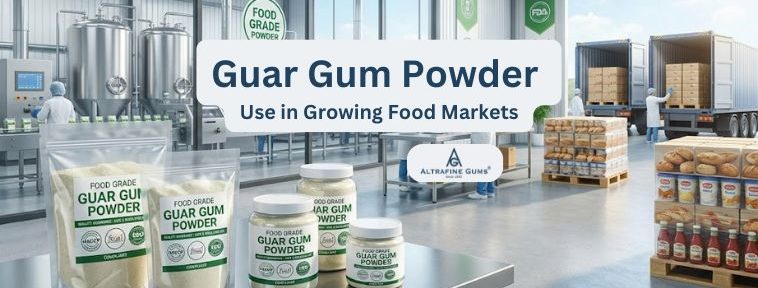
Regulatory and Safety Considerations for Guar Gum Powder Use in Growing Food Markets
Table of Contents
Guar Gum Powder: Regulations and Safety Considerations
This article aims to explore the regulatory and safety considerations of using guar gum powder in the growing food markets, with a focus on global standards, allergen-free trends, environmental sustainability and food safety. We will also examine how industry leaders, contribute to setting high standards in the production and application of guar gum powder.
Guar gum powder, derived from the guar bean, has long been a staple in various industries, particularly in food processing. As its use continues to grow in the food sector, it becomes increasingly important to understand the regulatory and safety considerations surrounding this versatile ingredient. With food markets expanding globally, manufacturers must comply with an array of regulations to ensure that guar gum powder meets the necessary safety standards while also adhering to environmental and consumer preferences.

1. Guar Gum Powder: Regulatory Compliance in Food Processing & Key Global Standards
Guar gum powder is subject to varying regulations depending on the country or region where it is used. Regulatory bodies around the world set guidelines to ensure the safe incorporation of guar gum in food products. These regulations are crucial in maintaining product safety and quality, protecting consumers and ensuring fair market practices.
In the United States, the Food and Drug Administration (FDA) recognizes guar gum as a food additive under its Generally Recognized as Safe (GRAS) category. This designation assures manufacturers and consumers that guar gum can be used in food products at specified levels without posing health risks. The European Food Safety Authority (EFSA) also classifies guar gum as a safe food additive, though it has established maximum usage limits to protect consumers from excessive intake.
Beyond the U.S. and Europe, countries in Asia and Latin America also have their own set of regulations for guar gum powder. In many regions, guar gum is used as a thickening agent in a wide range of food products, including dairy, sauces and gluten-free foods. As international trade continues to grow, harmonizing these regulations is key to ensuring that guar gum powder can be safely and efficiently utilized in food processing across borders.
Manufacturers like Altrafine Gums, known for its high-quality guar gum powder, stay up-to-date with these global standards to ensure their products meet regulatory requirements worldwide. Their commitment to excellence helps them deliver consistent and safe products to various industries, including food processing.
Read Our Article: Unlocking the Versatility of Food Grade Guar Gum Powder in the Food Industry
2. Safety Guidelines for Incorporating Guar Gum in Food Products
The safety of guar gum powder in food products is an important consideration for both manufacturers and consumers. While guar gum is generally regarded as safe, there are specific dosage limits and health considerations that must be followed to avoid adverse effects.
Guar gum, when consumed in excessive quantities, can cause digestive discomfort, including bloating, flatulence anddiarrhea. These effects are usually related to its ability to absorb water and increase the bulk of stool. Therefore, food safety guidelines recommend careful monitoring of the quantity of guar gum used in food products.
International health organizations, including the World Health Organization (WHO) and the Food and Agriculture Organization (FAO), have established acceptable daily intake (ADI) levels for guar gum. These levels are based on extensive research and are designed to protect consumers from any potential negative health effects. The ADI for guar gum is set to ensure that its use as a food additive does not exceed levels that could lead to adverse health outcomes.
To maintain consumer safety, food manufacturers must also ensure proper labeling of products containing guar gum powder, allowing consumers to make informed decisions. Additionally, manufacturers are encouraged to conduct safety assessments and quality control tests to ensure that guar gum is used within the prescribed limits.
3. Impact of Guar Gum on Allergen-Free and Clean Label Trends in Food Manufacturing
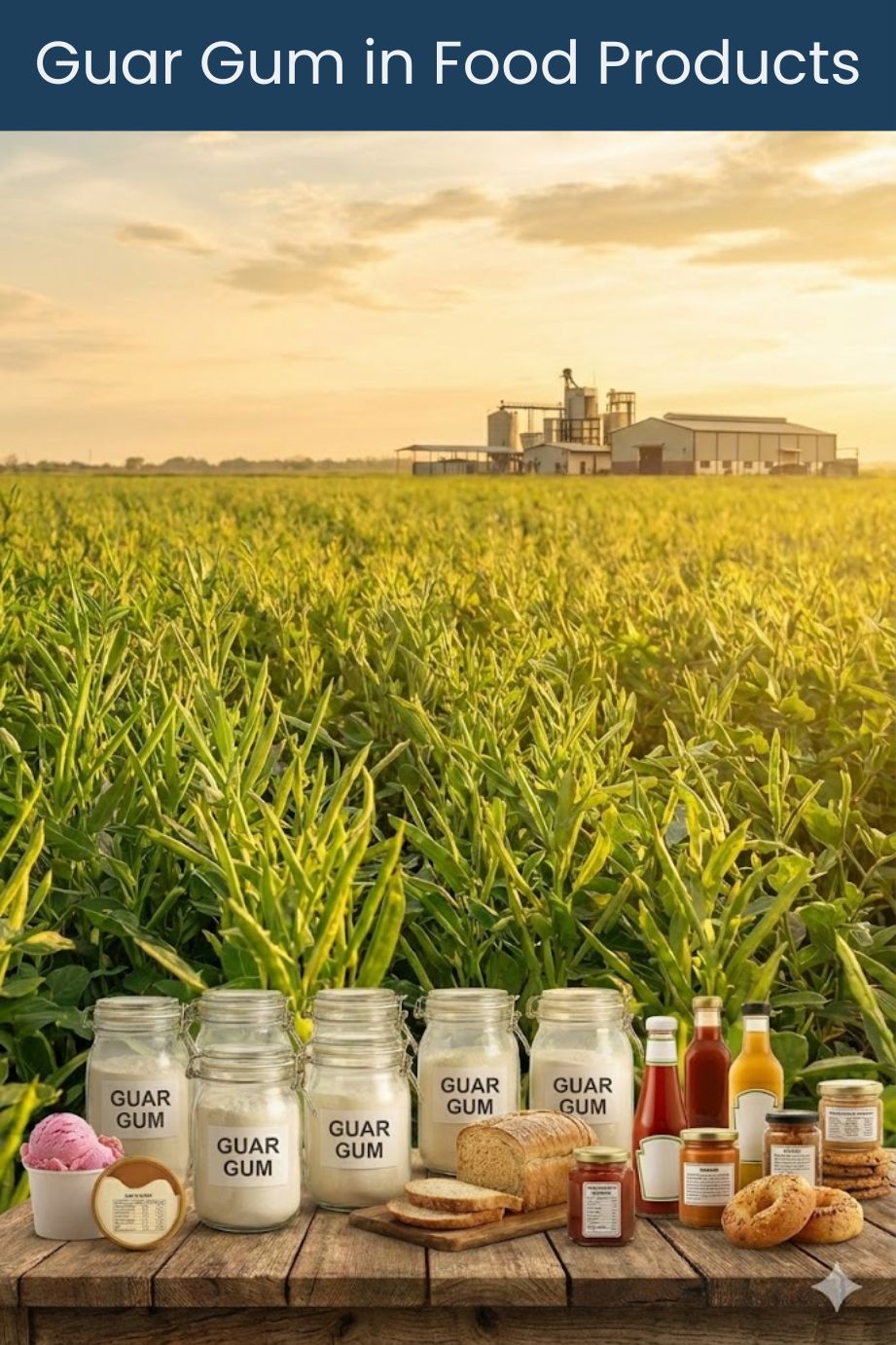
In recent years, there has been a growing consumer demand for allergen-free and clean label foods. Clean labels refer to food products that contain fewer ingredients, with consumers increasingly seeking transparency in the products they purchase. Guar gum powder fits well into this trend, offering a natural and versatile ingredient for food manufacturers.
Guar gum is inherently free of common allergens like gluten, dairy and soy, making it an attractive option for consumers with food sensitivities. Its ability to act as a thickener and stabilizer without the need for synthetic chemicals aligns with the increasing preference for clean label products. Food manufacturers can leverage guar gum powder to create products that appeal to health-conscious consumers looking for simple, natural ingredients.
By incorporating guar gum into their formulations, companies can produce allergen-free and clean label products that cater to a growing market segment. Brands that use guar gum in this way benefit from consumer trust, as transparency in ingredient sourcing and manufacturing practices becomes increasingly important.
As a leading producer of guar gum, Altrafine Gums supplies high-quality fast hydration guar gum powder that meets the demands of clean label food products. Their commitment to producing natural, allergen-free gums positions them as a trusted partner for food manufacturers seeking to develop products that align with modern consumer preferences.
Our Other Product: Psyllium Husk & Powder
4. Environmental and Sustainability Regulations for Guar Gum Production
Sustainability is a key consideration in the production of guar gum powder, as both consumers and manufacturers seek eco-friendly alternatives in food production. Guar gum is a natural product and its cultivation can have significant environmental implications. However, its production is often more sustainable compared to synthetic additives and thickeners.
In countries like India, where guar gum is primarily grown, the cultivation process requires relatively low inputs compared to other crops. Guar beans are drought-resistant and require minimal irrigation, making them an environmentally friendly crop. Furthermore, the production of guar gum powder itself is relatively low in energy consumption compared to synthetic alternatives.
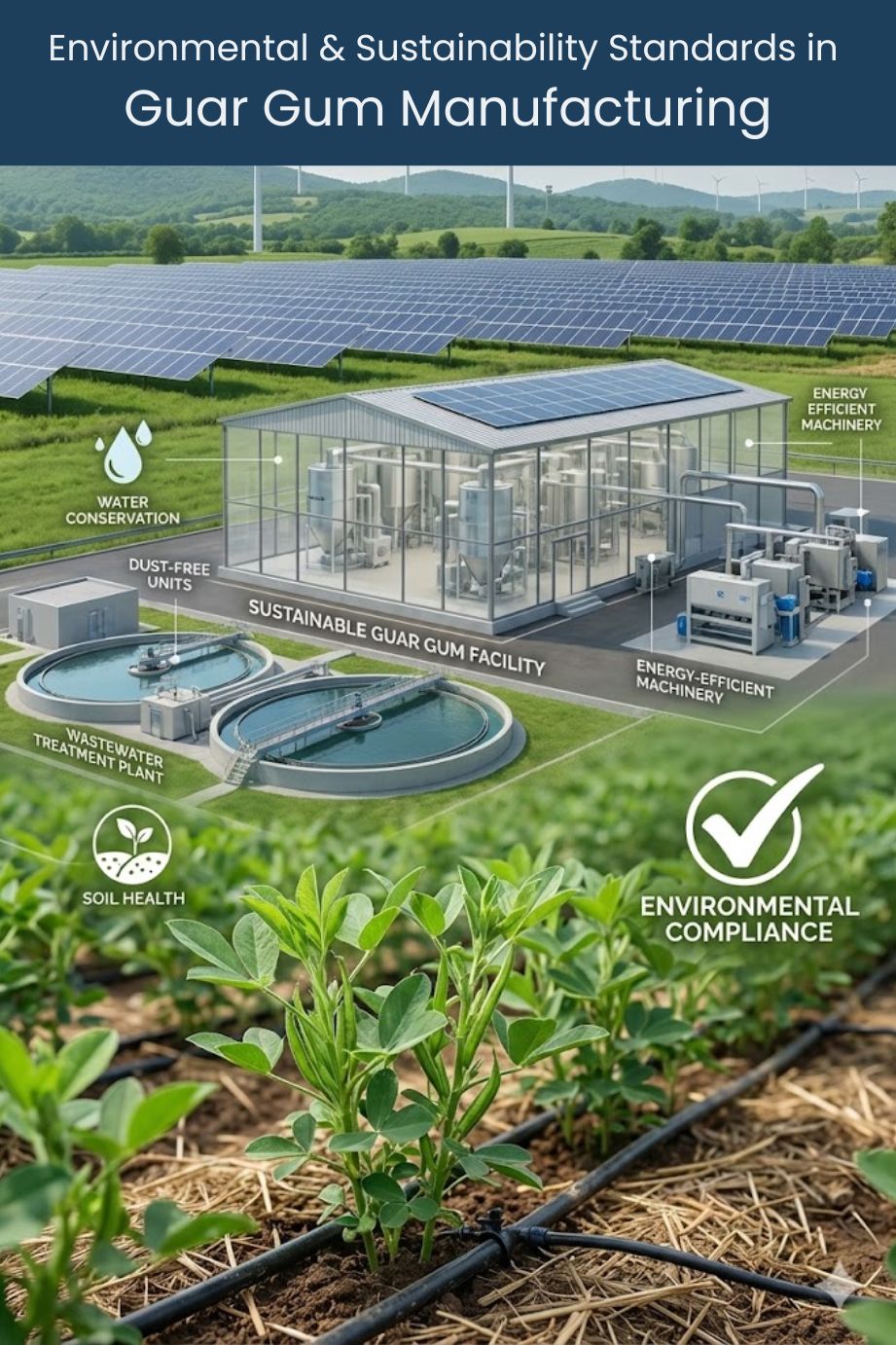
Many manufacturers are also taking steps to improve the sustainability of their guar gum production processes. Additionally, environmental certifications and adherence to eco-friendly practices are becoming increasingly important as consumers and regulatory bodies alike emphasize the importance of sustainability.
At Altrafine Gums, sustainability is a core value. The company’s infrastructure supports environmentally controlled manufacturing processes, ensuring that its cassia gum powder and guar gum powder is produced in line with the highest sustainability standards. Their commitment to eco-friendly practices contributes to a greener food industry while providing high-quality products to global markets.
Read Our Article: Industrial Applications of Guar Gum: How Different Sectors Use It
5. Guar Gum Powder and Food Safety in International Markets: Challenges and Solutions
As the global food market grows, the export of guar gum-based products presents unique challenges. Food manufacturers must navigate a complex web of regulations and safety standards when exporting products that contain guar powder. These regulations can vary significantly from one country to another, creating a need for thorough compliance strategies.
One major challenge in exporting guar gum-based products is meeting the varying safety standards for food additives. For example, while guar gum is widely accepted in the United States and Europe, it may face stricter regulations in certain Asian and African markets. Manufacturers must ensure that their products are tested, certified and labeled correctly to meet local regulatory requirements.
To overcome these challenges, food manufacturers can work with experts in food safety and regulatory compliance. By staying informed about international standards and conducting thorough testing and documentation, companies can ensure that its products meet the highest food safety standards.
Altrafine Gums, as a leading manufacturer of guar powder, with its robust quality control processes and adherence to international standards, is well-equipped to support global food manufacturers in navigating these challenges. By offering consistent and safe guar gum powder, they help ensure that food products containing guar gum can be exported with confidence, meeting regulatory requirements in diverse markets.
6. Role of Guar Gum Powder in Food Quality Control: Ensuring Consistency and Safety
Guar gum powder plays a crucial role in maintaining the quality and consistency of food products. Its ability to act as a thickener, stabilizer and emulsifier ensures that food products maintain their texture and appearance throughout their shelf life. This is particularly important in processed foods, where product consistency is key to consumer satisfaction.
In addition to improving texture, guar gum also helps in maintaining food safety by preventing microbial growth and enhancing the stability of food products. Rigorous quality control measures are essential to ensure that guar gum powder meets the highest standards for food safety.
Manufacturers implement stringent quality control measures to guarantee that its Guar Gum meets the required safety and consistency standards. Their state-of-the-art infrastructure ensures that their products are produced under controlled conditions, minimizing the risk of contamination and ensuring that each batch meets the highest quality standards.
Our Other Product: Animal Feeds Products – Guar Meal (Korma), Guar Meal (Churi), Cassia Tora Meal

Guar Gum Powder in Food Industry: Regulatory Compliance, Safety & Sustainability Guide
The growing use of guar gum powder in the food industry brings both opportunities and challenges. Regulatory compliance, safety guidelines, allergen-free trends, sustainability practices and food safety must all be considered when incorporating guar gum into food products. As the industry evolves, manufacturers continue to play a vital role in ensuring that guar gum powder meets the highest standards, delivering safe, high-quality products to global markets. By navigating these regulatory and safety considerations, food manufacturers can confidently meet consumer demands and contribute to the growth of the global food market.

CEO, Altrafine Gums
With over Four decades of expertise in the natural gums and hydrocolloids industry, Ajit Patel leads Altrafine Gums, a globally recognized manufacturer and exporter of Guar Gum Powder, Cassia Tora Powder (Cassia Gum Powder) and other Hydrocolloids. Under his visionary leadership, the company has built a strong reputation for quality, innovation, and reliability across the food, feed, pet feed, pharmaceutical, mining, oil drilling and cosmetic sectors.
Altrafine Gums has been serving global industries for decades with a focus on sustainable sourcing, research-driven production, and stringent quality control. Its wide product portfolio includes Guar Gum Powder, Cassia Tora Powder (Cassia Gum Powder) and other plant-based hydrocolloids that serve as key functional ingredients in diverse applications.
Ajit Patel’s commitment to excellence ensures that every product from Altrafine meets international standards of performance and purity. He is passionate about advancing the global reach of Indian hydrocolloids, fostering customer trust, and promoting eco-friendly, science-backed solutions that enhance product formulation and performance worldwide.